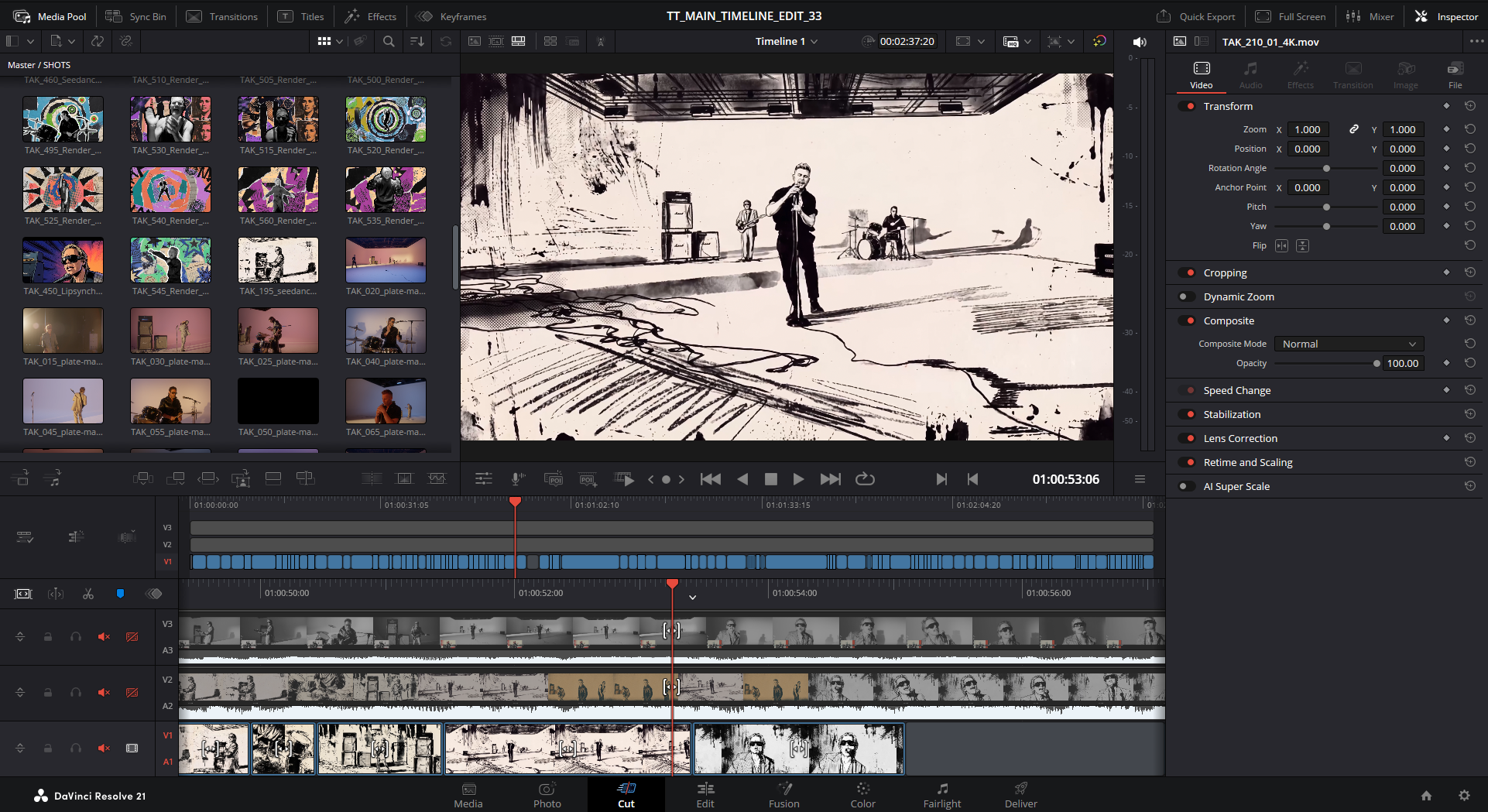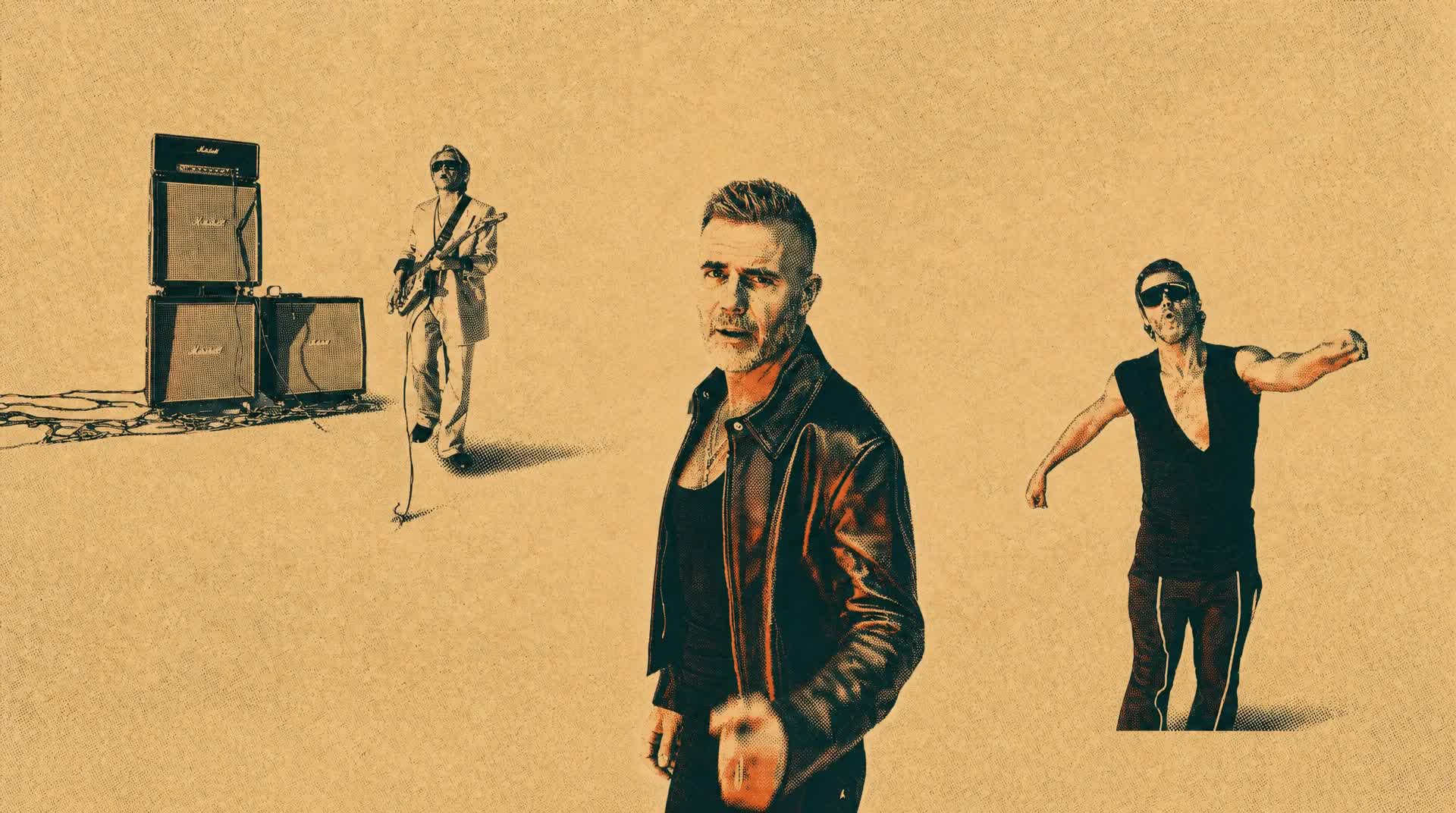
Official music video for Take That's single Sweet July, produced in July 2026.
Directed by Vaughan Arnell and executed by Merman and Rohtau, London-based creative studios, the project is a true collaboration of amazing artists.
Originally designed by Vaughan Arnell and Jordi Bares (Creative Director), it rested on the body of work of Zed Zara, Linus Konetschnig and myself. Together, we built the visual world of the song from the ground up, using an AI-driven production pipeline pushed to a broadcast-ready finish.
My work covered the two main phases of the production: a part of the AI visual creation — from graphic style exploration and per-shot style validation to animation exploration and final 4K generation — and the edit itself, rebuilt shot by shot from the visual draft made by Take That's team.
You can see the full breakdown below the final video ↓
Role
Creative Direction · AI Image Generation · AI Video Workflow · Compositing · Editing
Collaboration
Zed Zara · Linus Konetschnig — Agency: Rohtau (London)
Deliverables
Official Music Video · Key Visuals · Image-to-Video Shots · VFX & Compositing · Final Edit
You can watch the official video on YouTube.
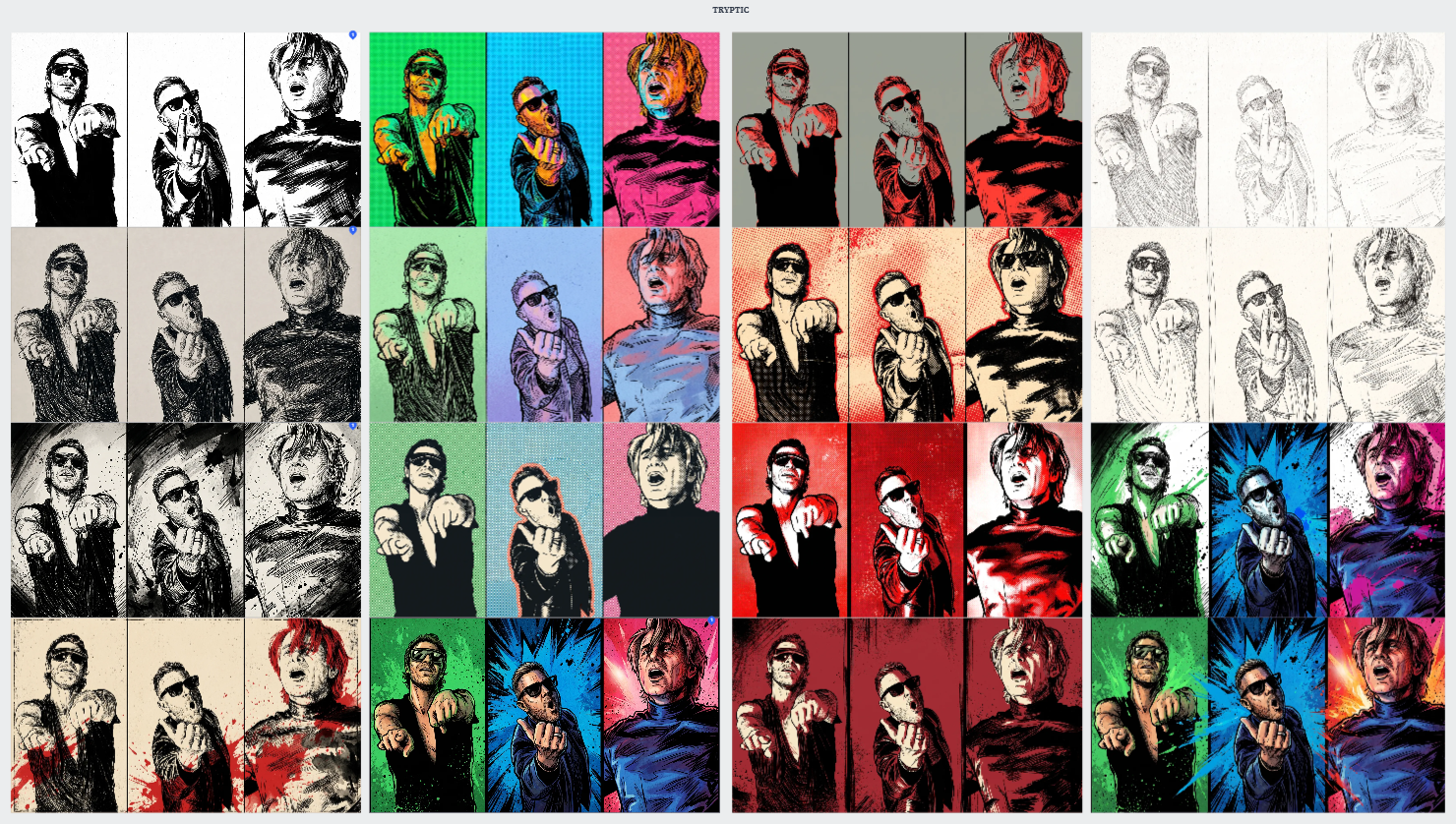
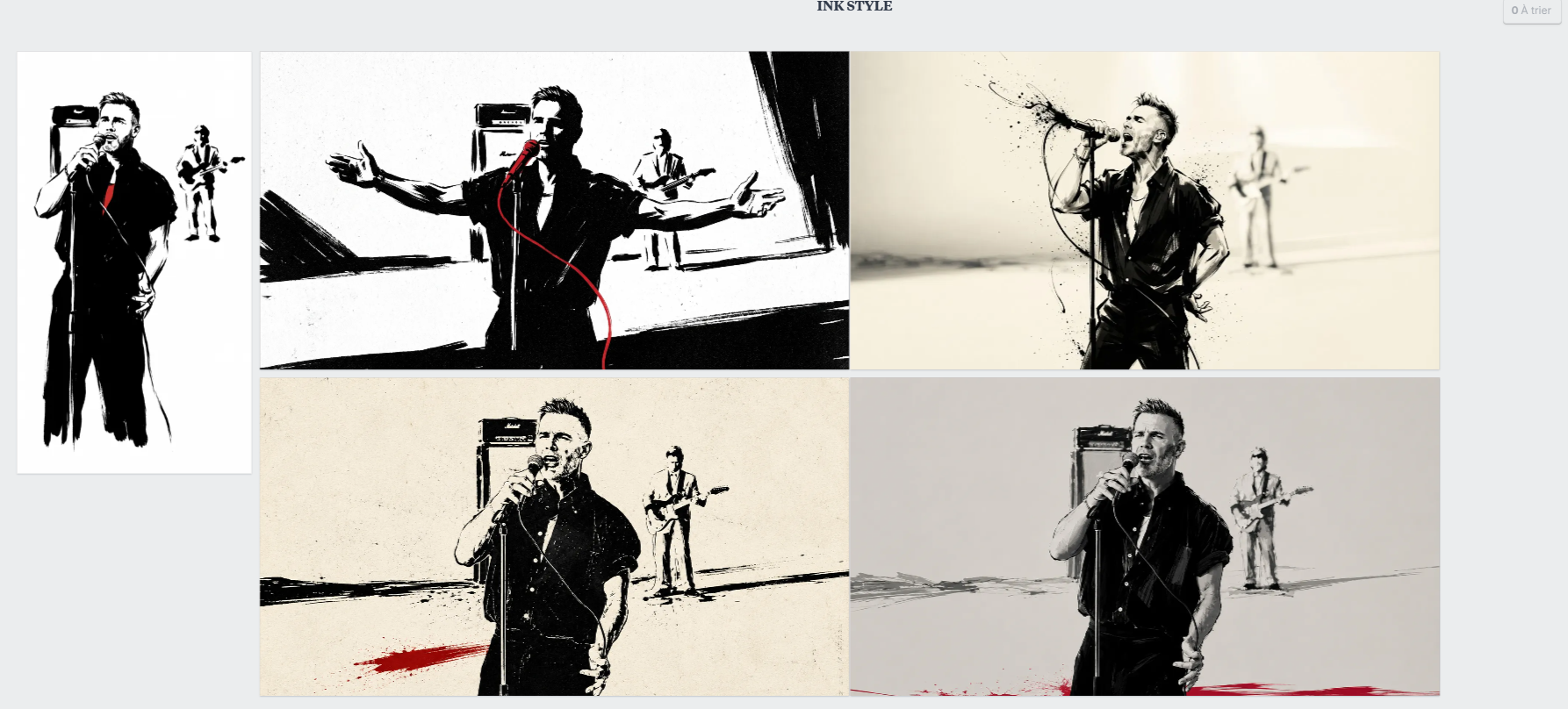
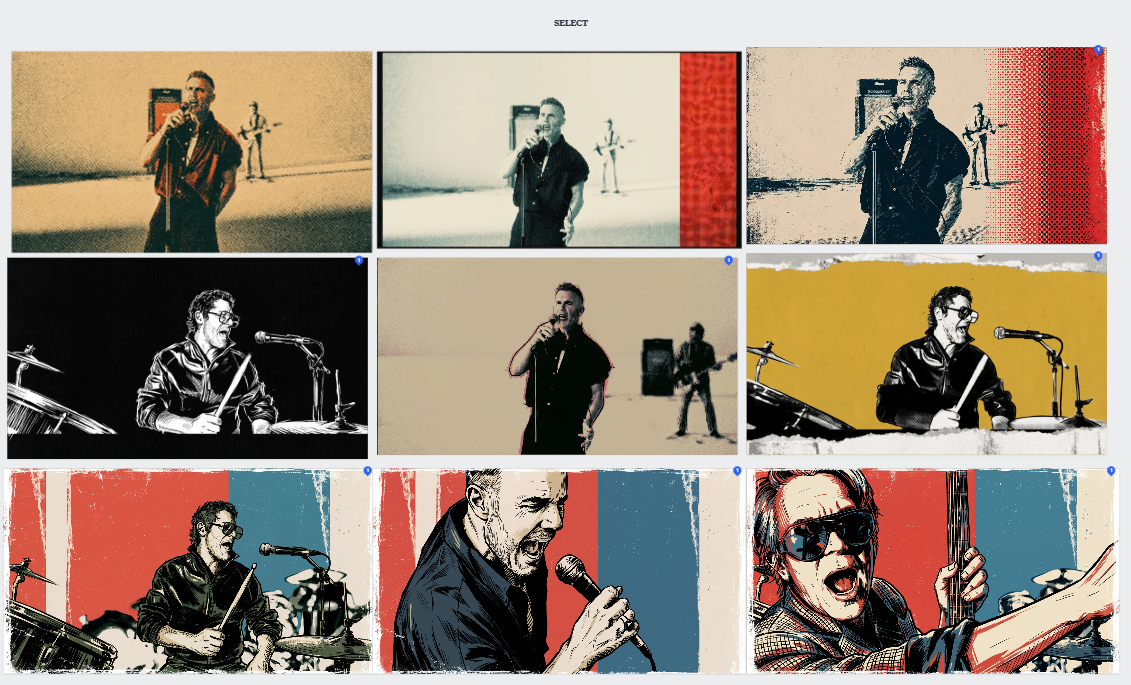
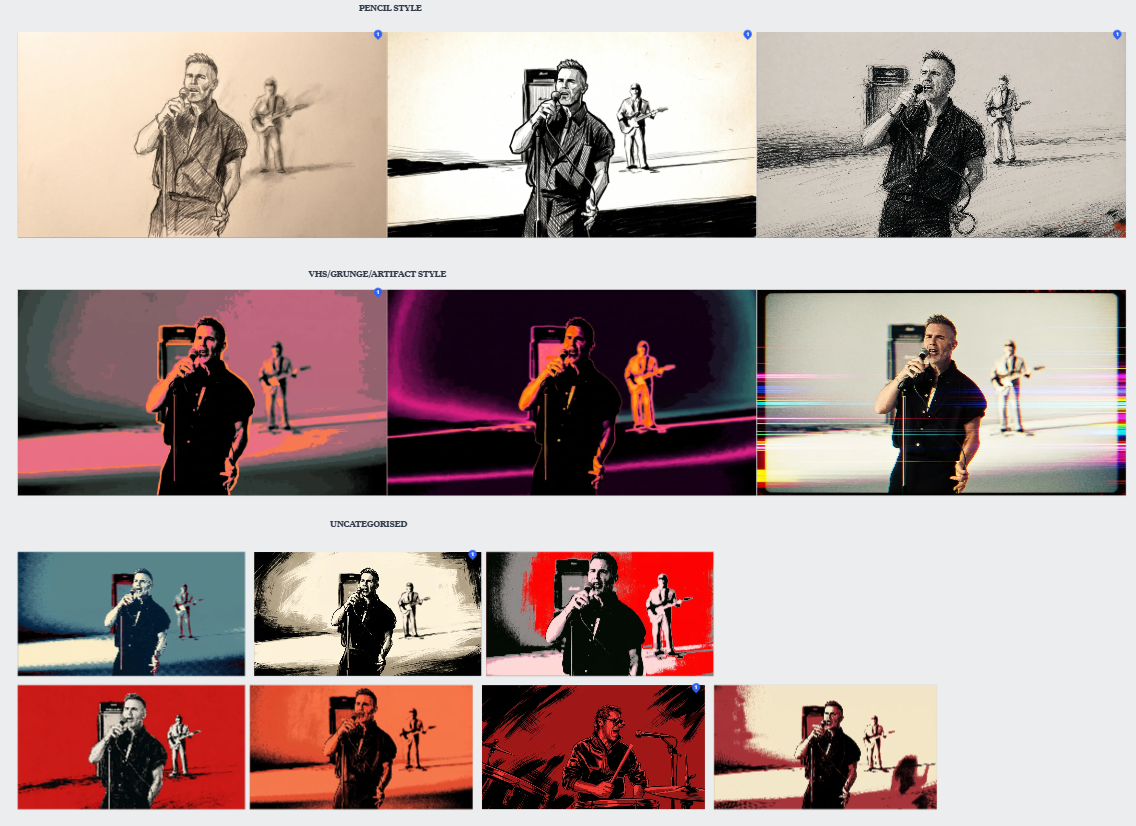
Early graphic style research and visual directions for the world of Sweet July.
Previewing and validating every explored style with the team on Milanote.
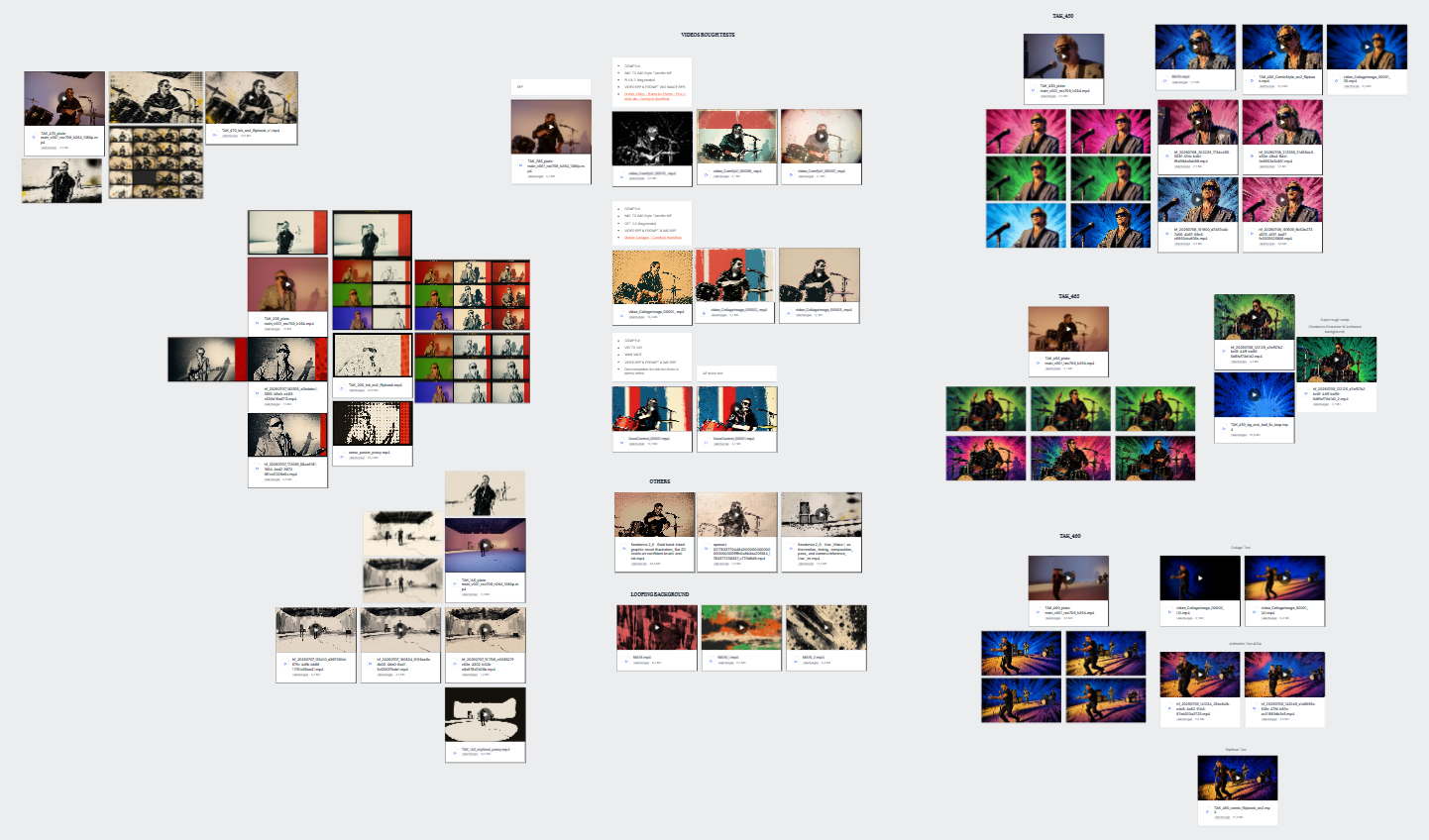
Animation exploration using the validated graphic style.
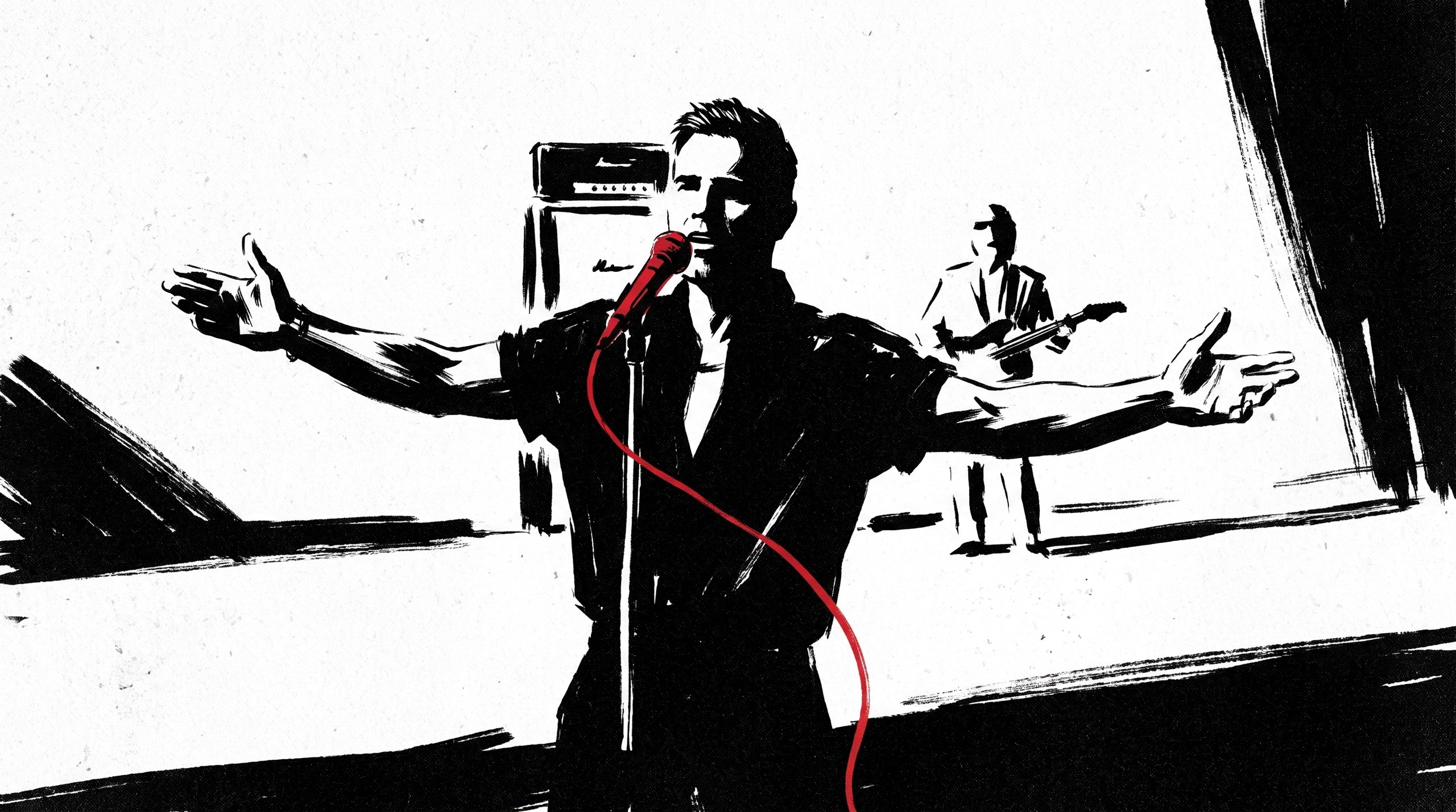
Final shot generation in 4K, with a creation process refined along the way.
Rebuilding the full edit shot by shot from the team's visual draft.
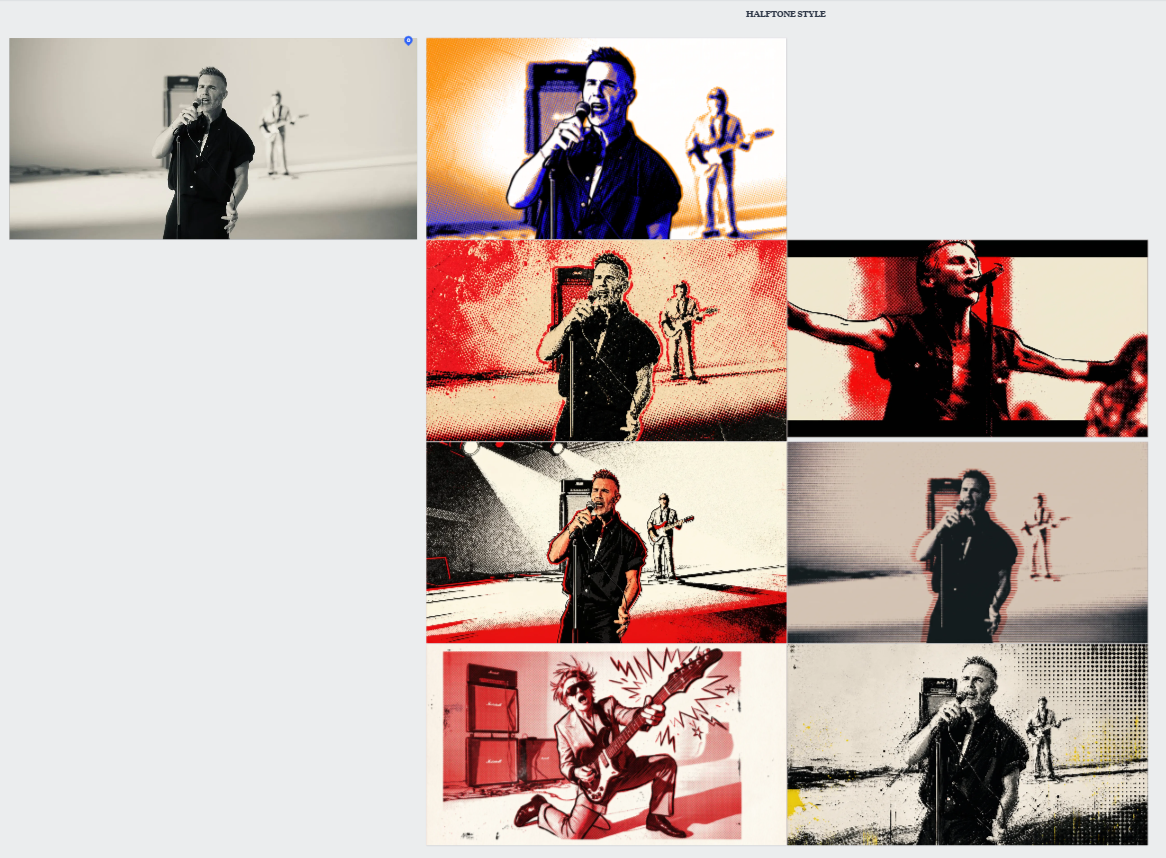
The first stage of the project was a wide graphic style exploration, built on a hybrid workflow between two tools. Midjourney was used to generate the graphic styles themselves — starting from style references adapted to the use of Take That as a music band — and NanoBanana was then used to derive those styles, bringing in the character likeness of the band's talents.
These explorations were shared with the team as style documents to guide the creative conversation and converge on the final look of the video.
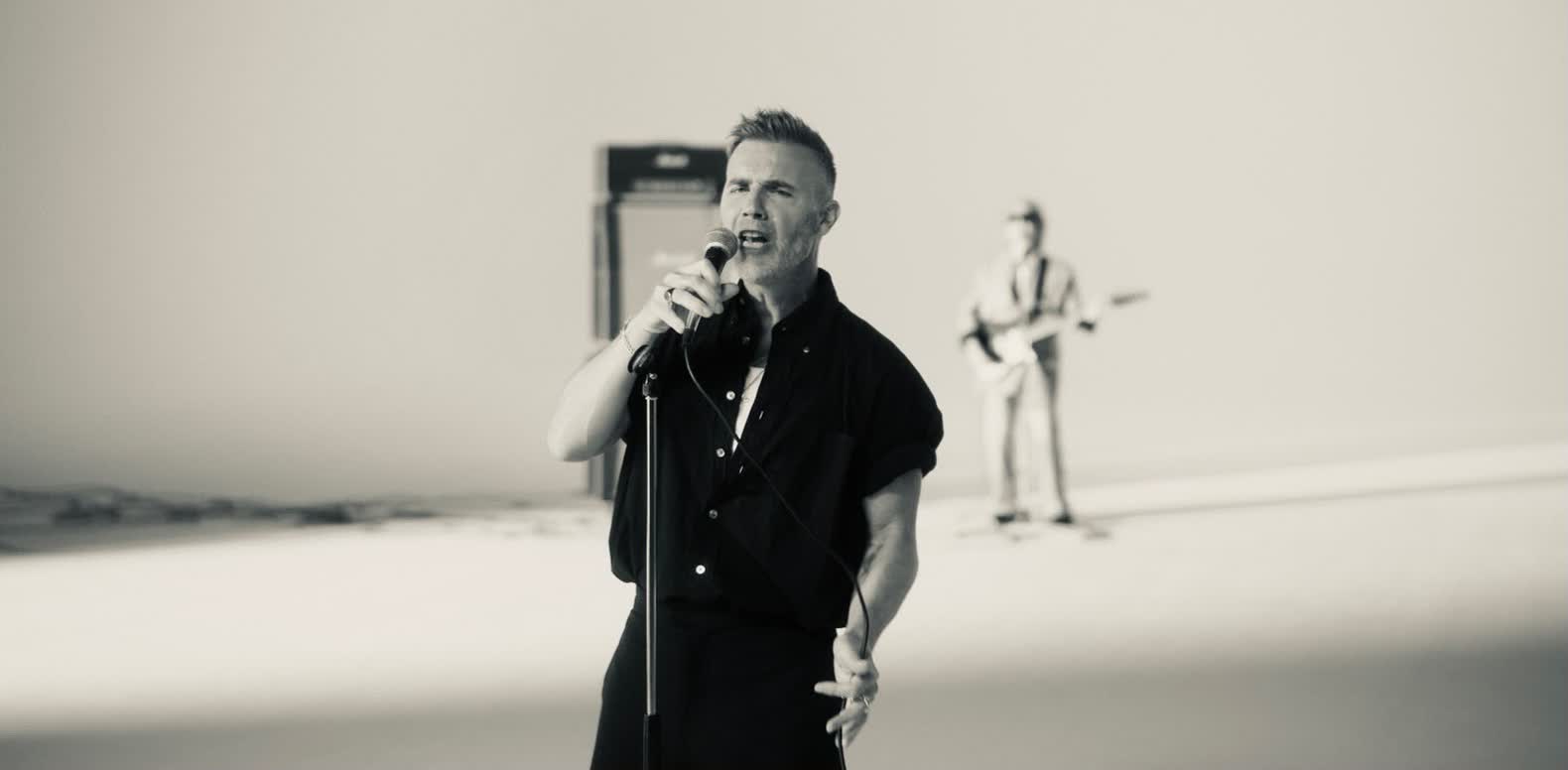
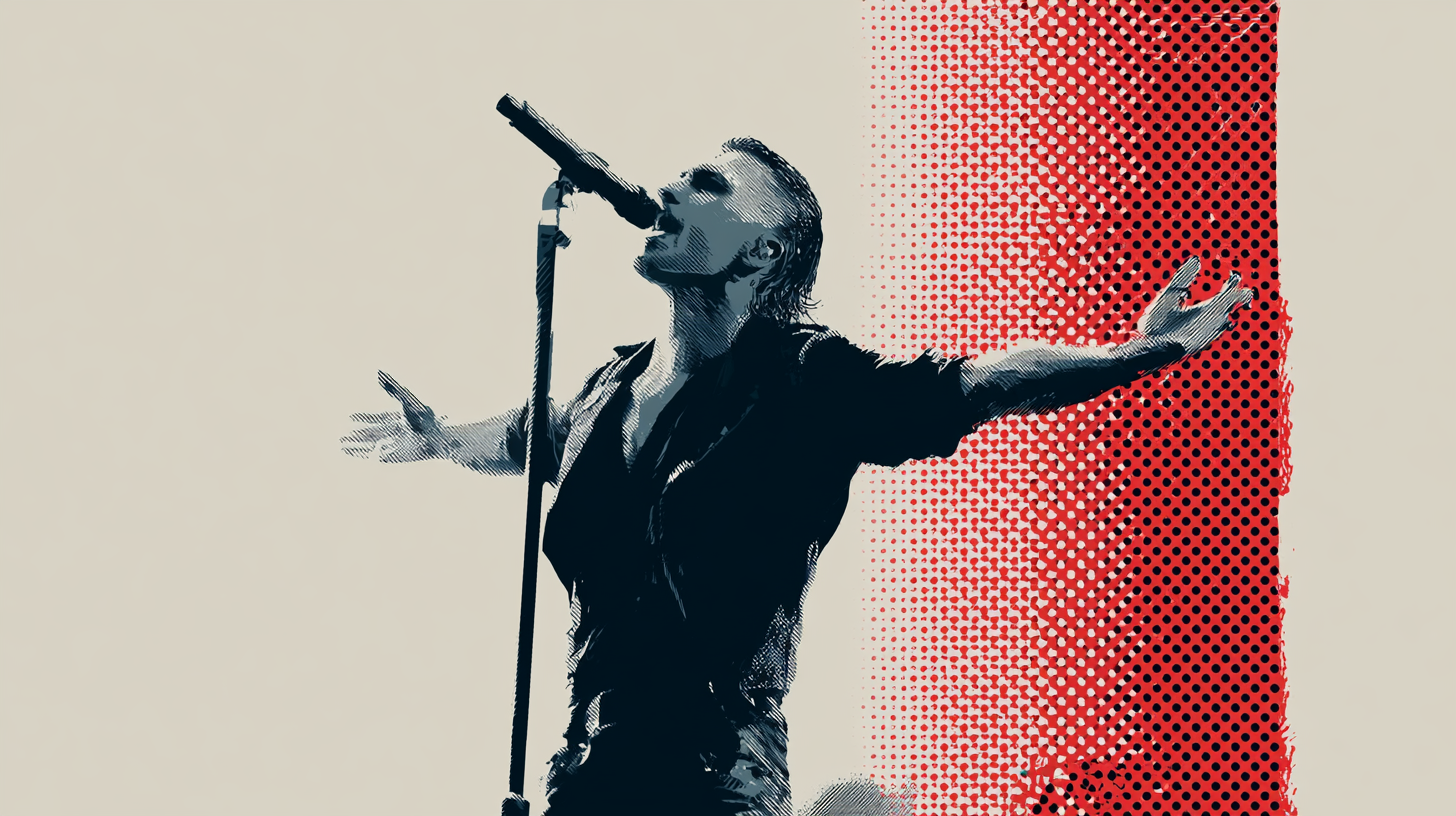
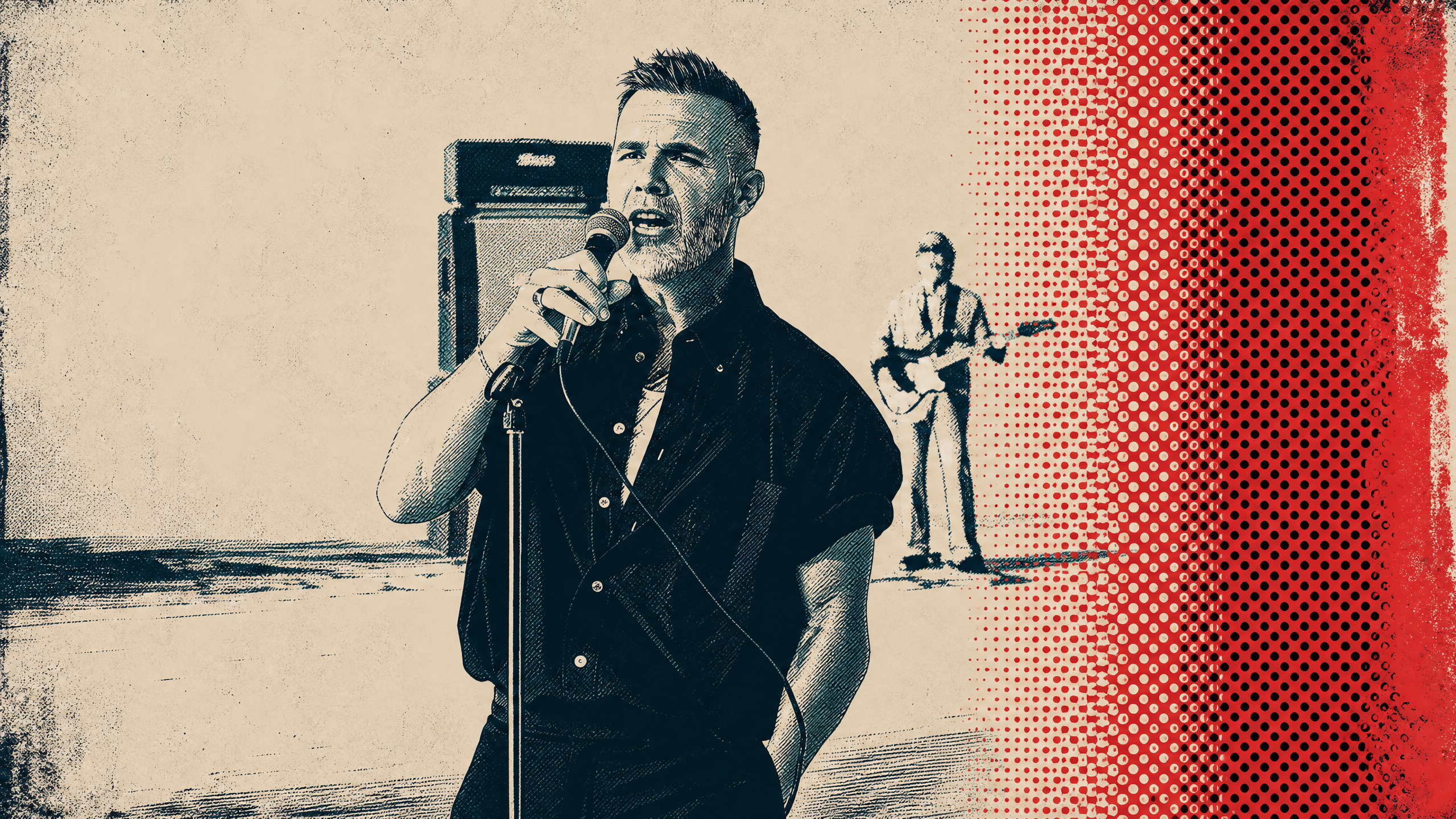
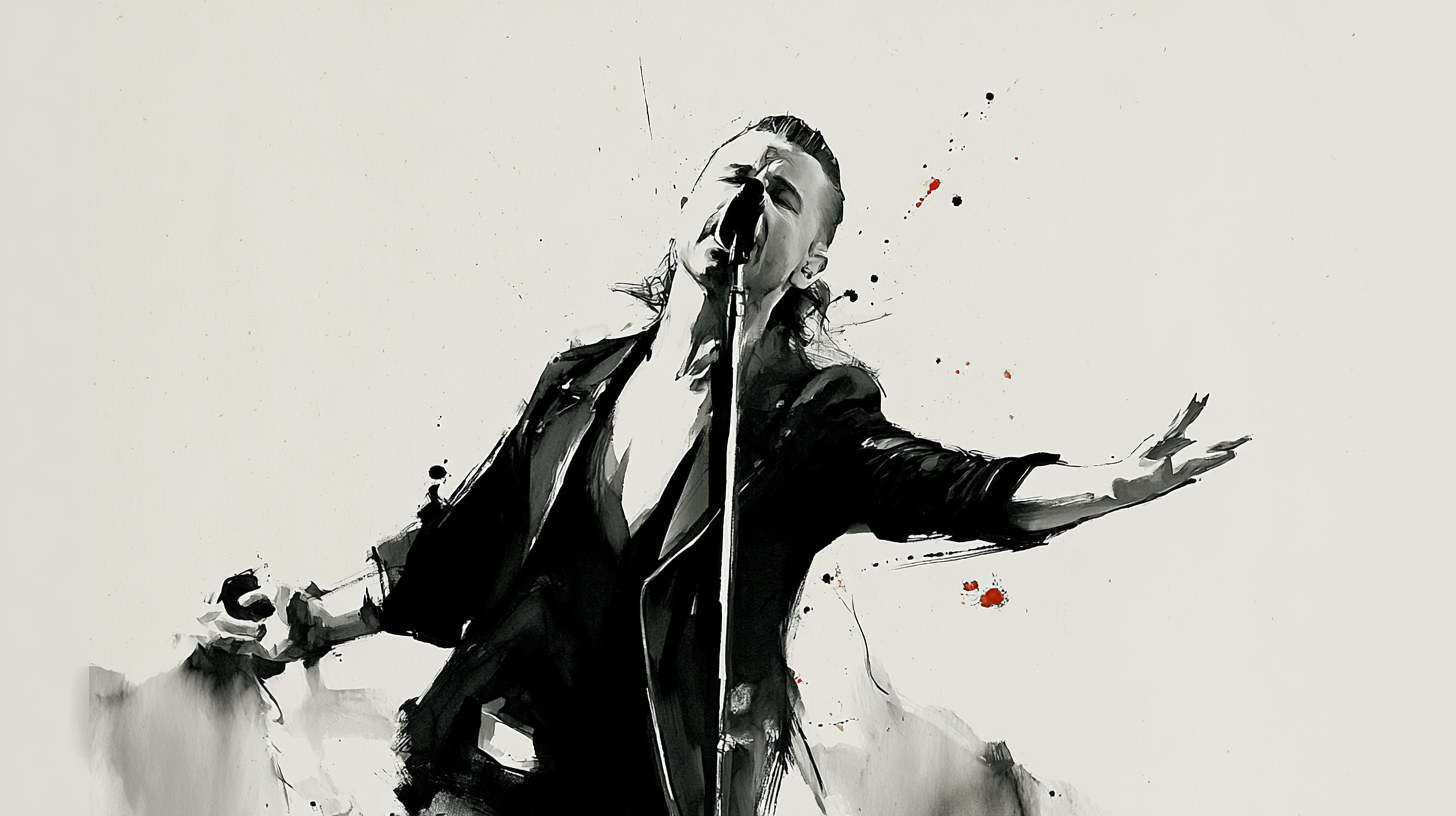
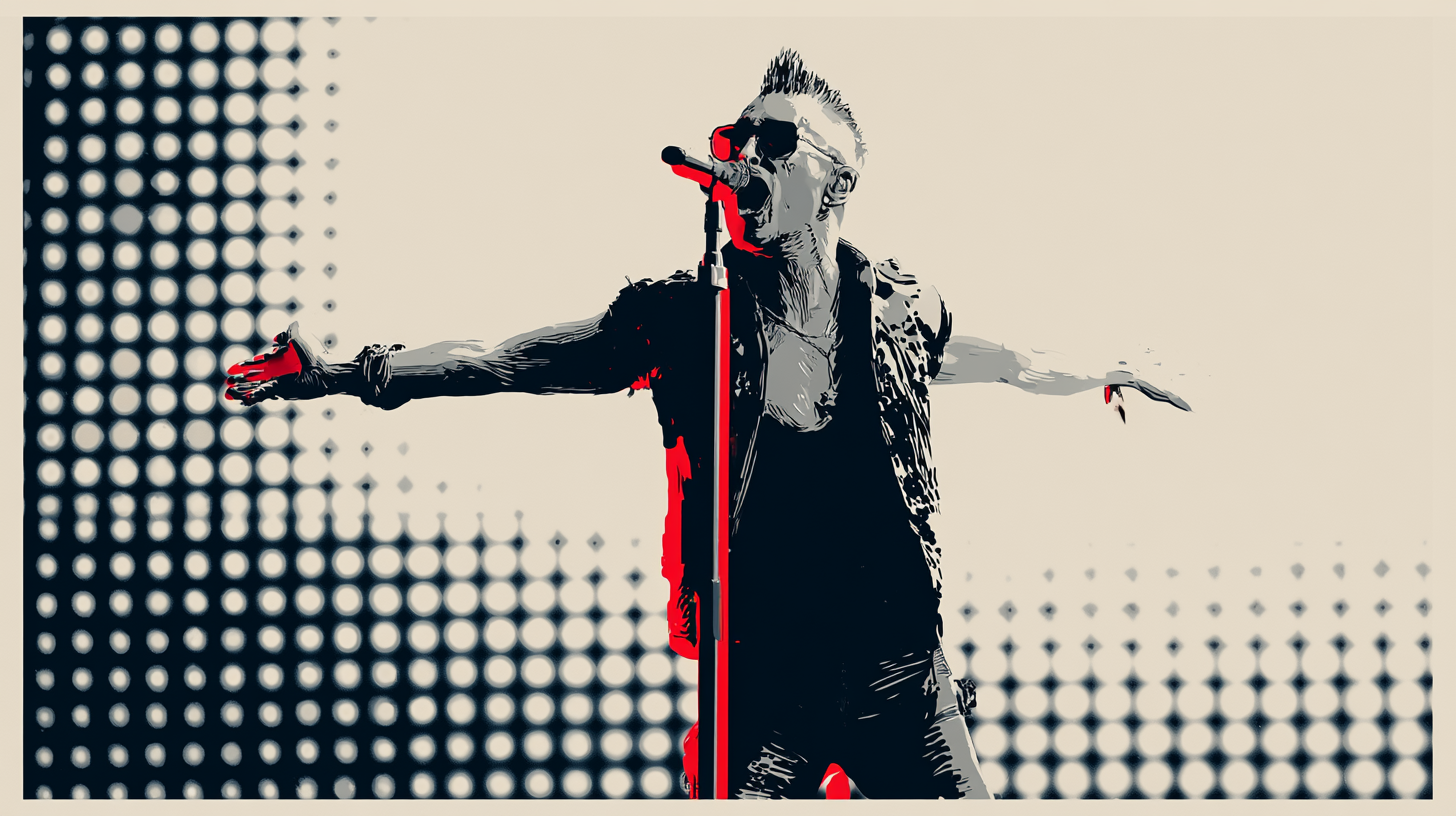
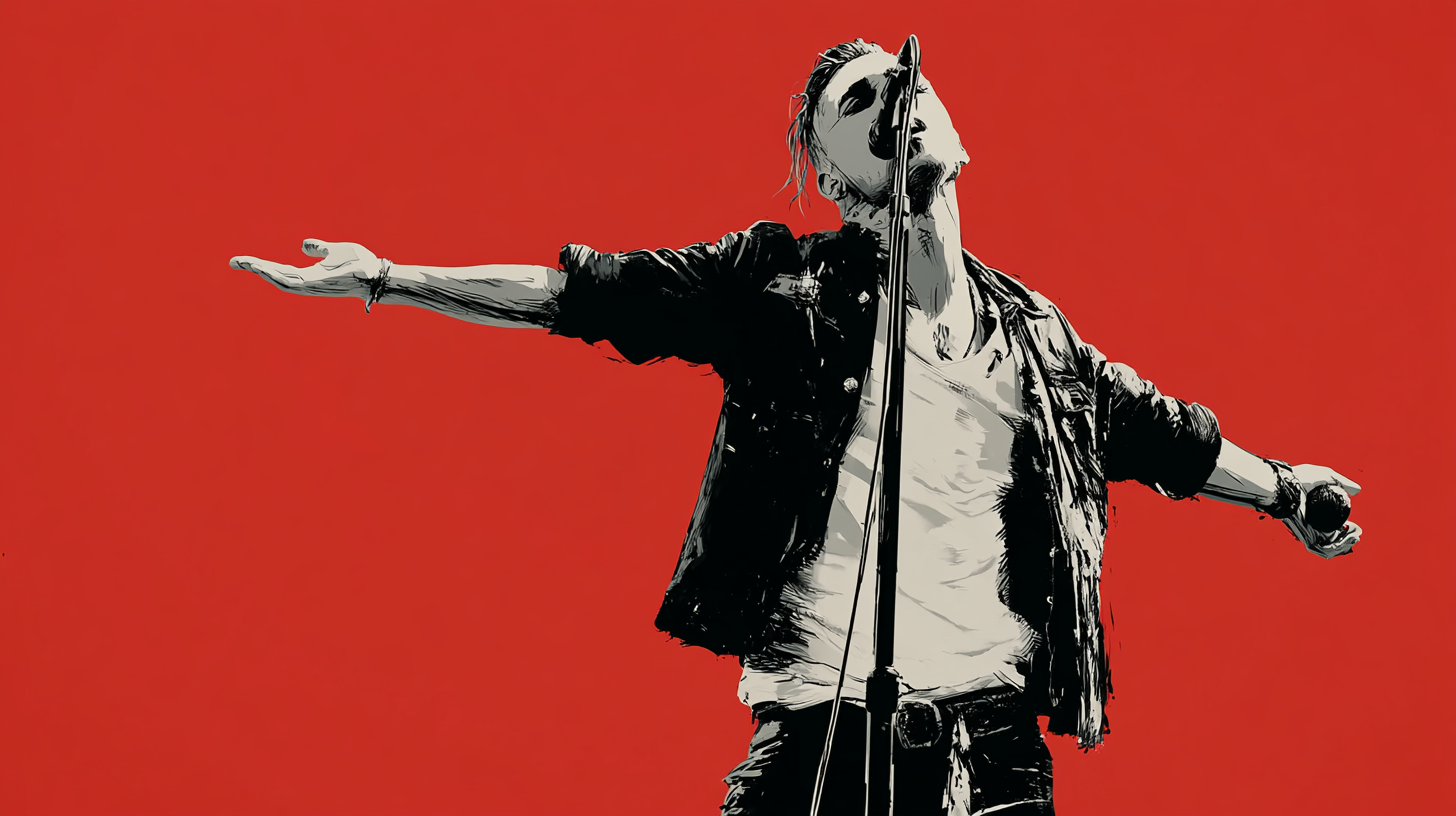
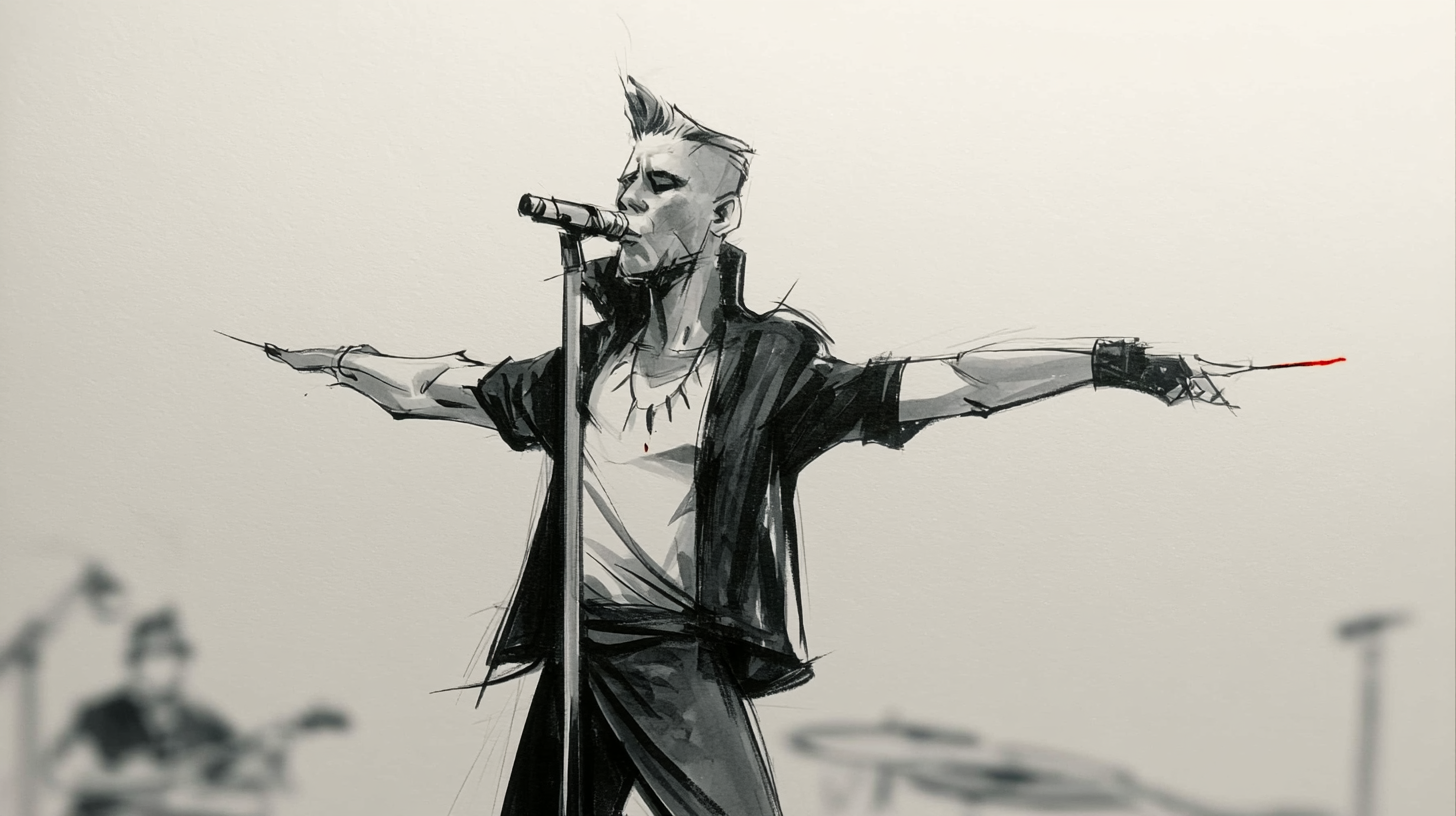
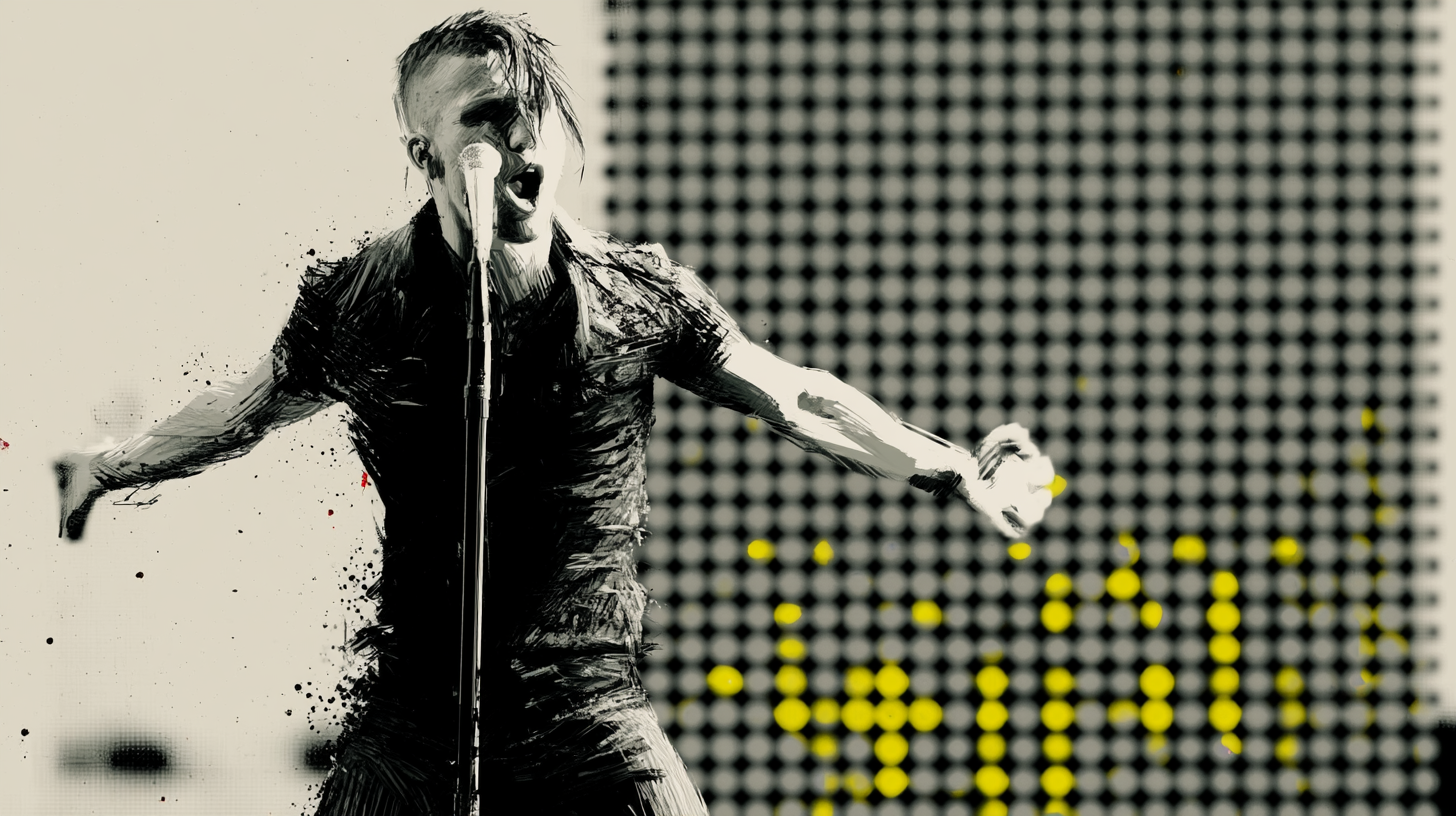
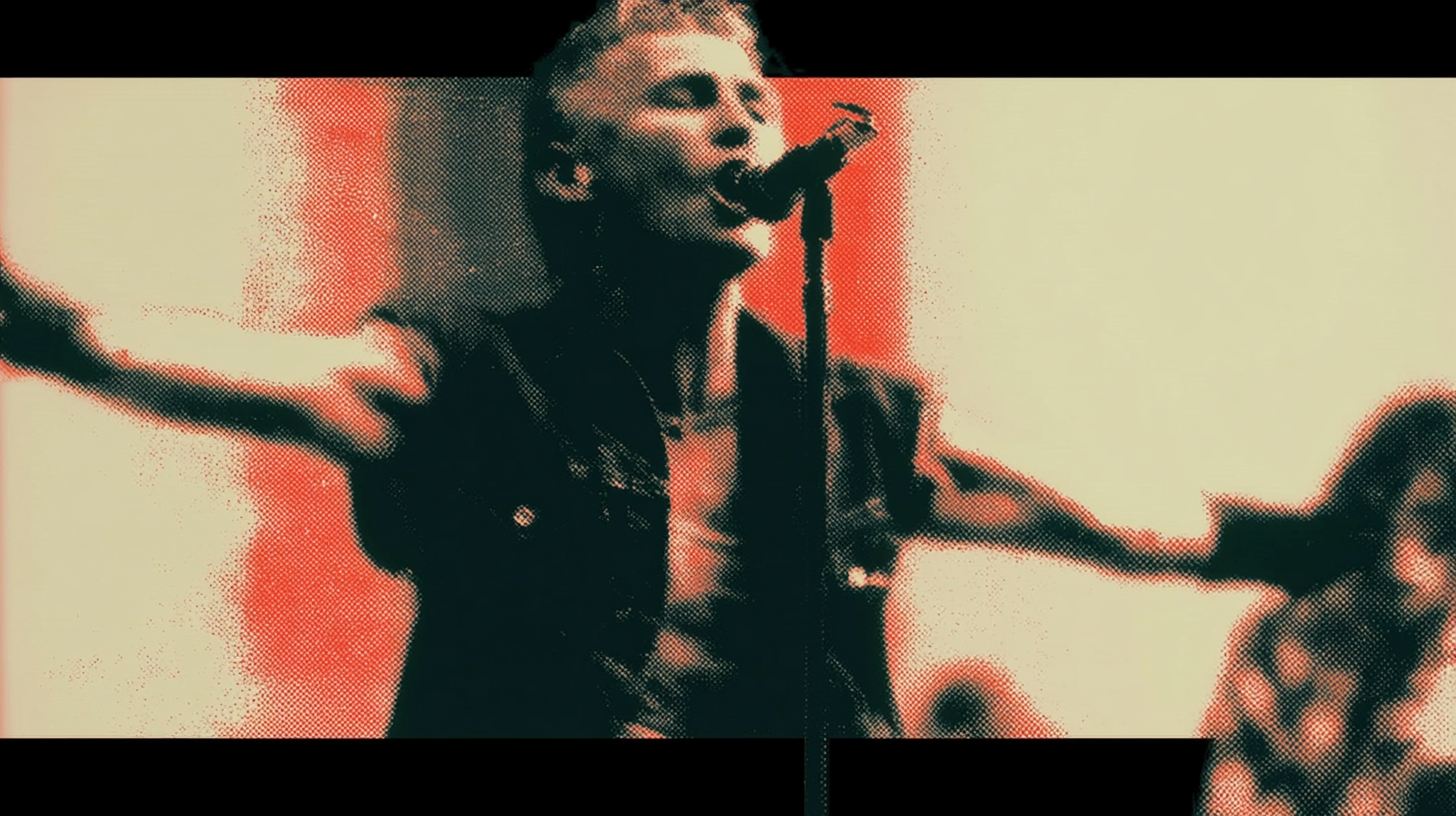
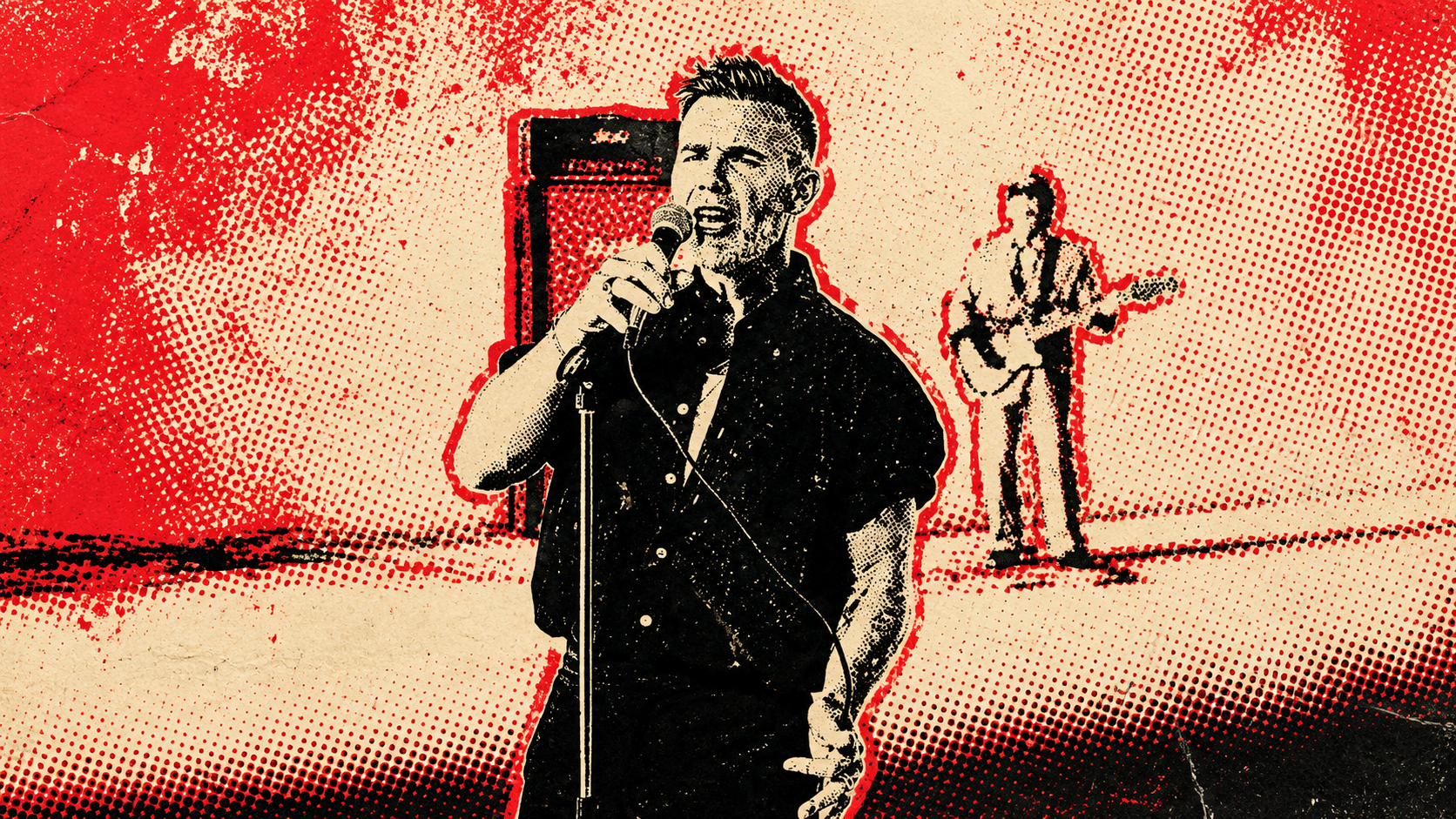
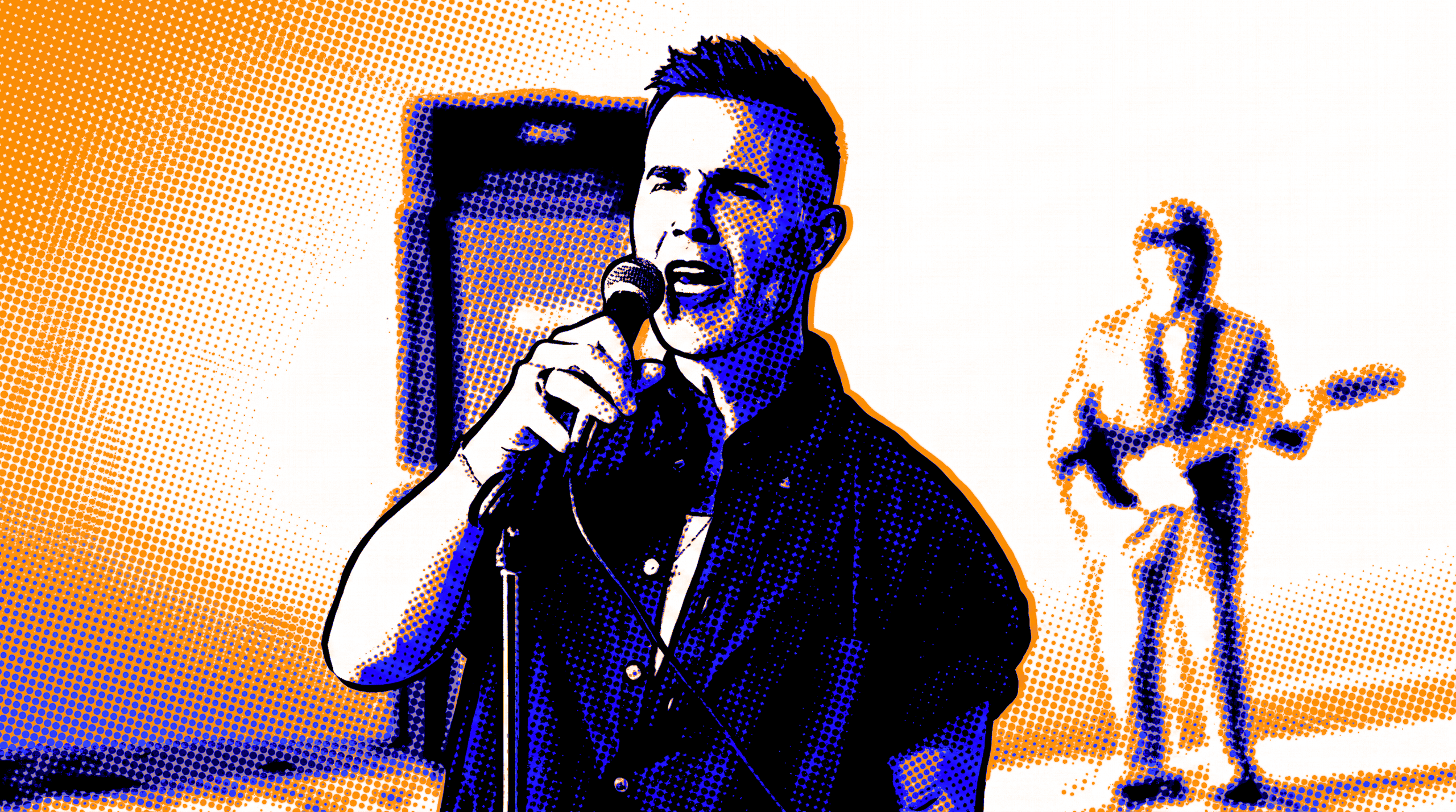
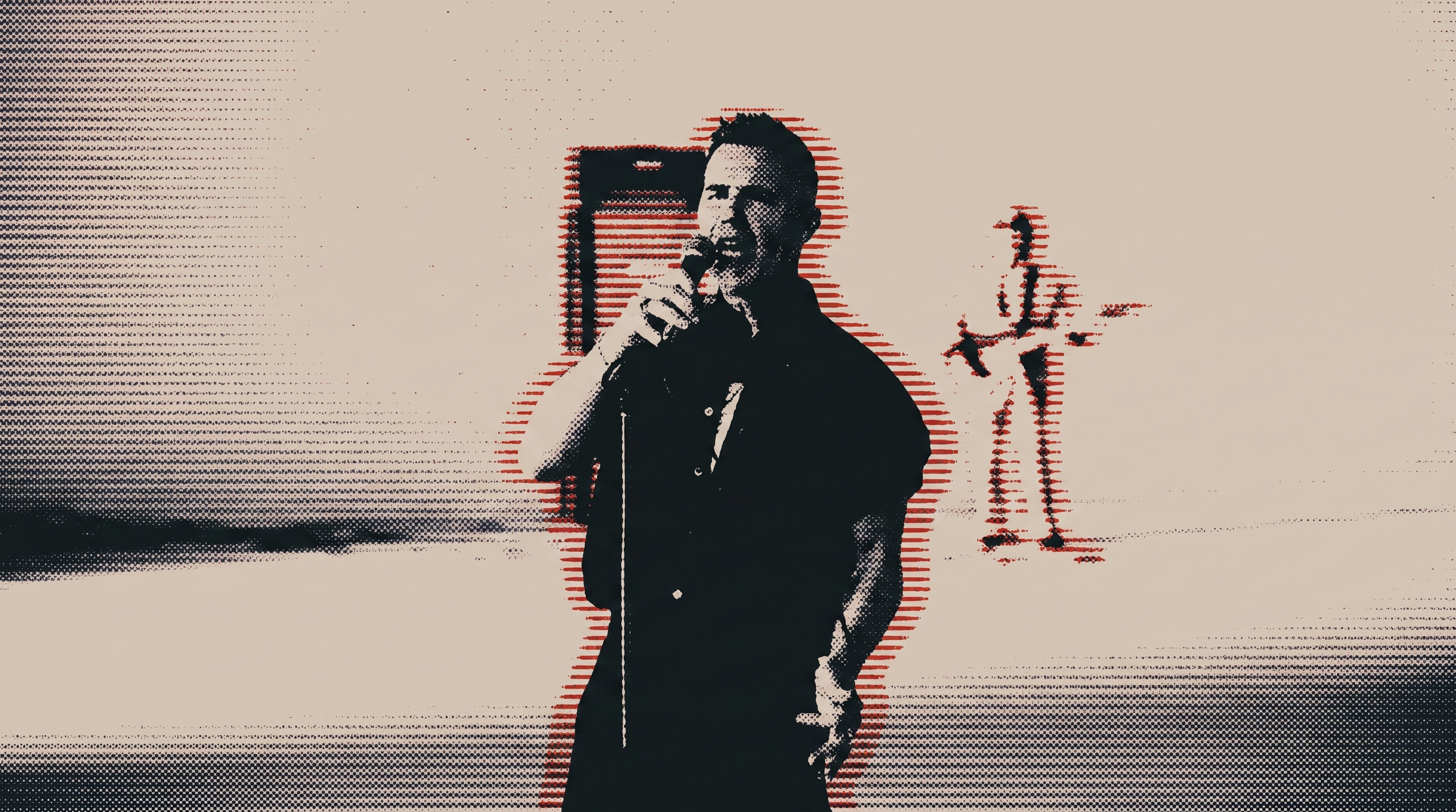
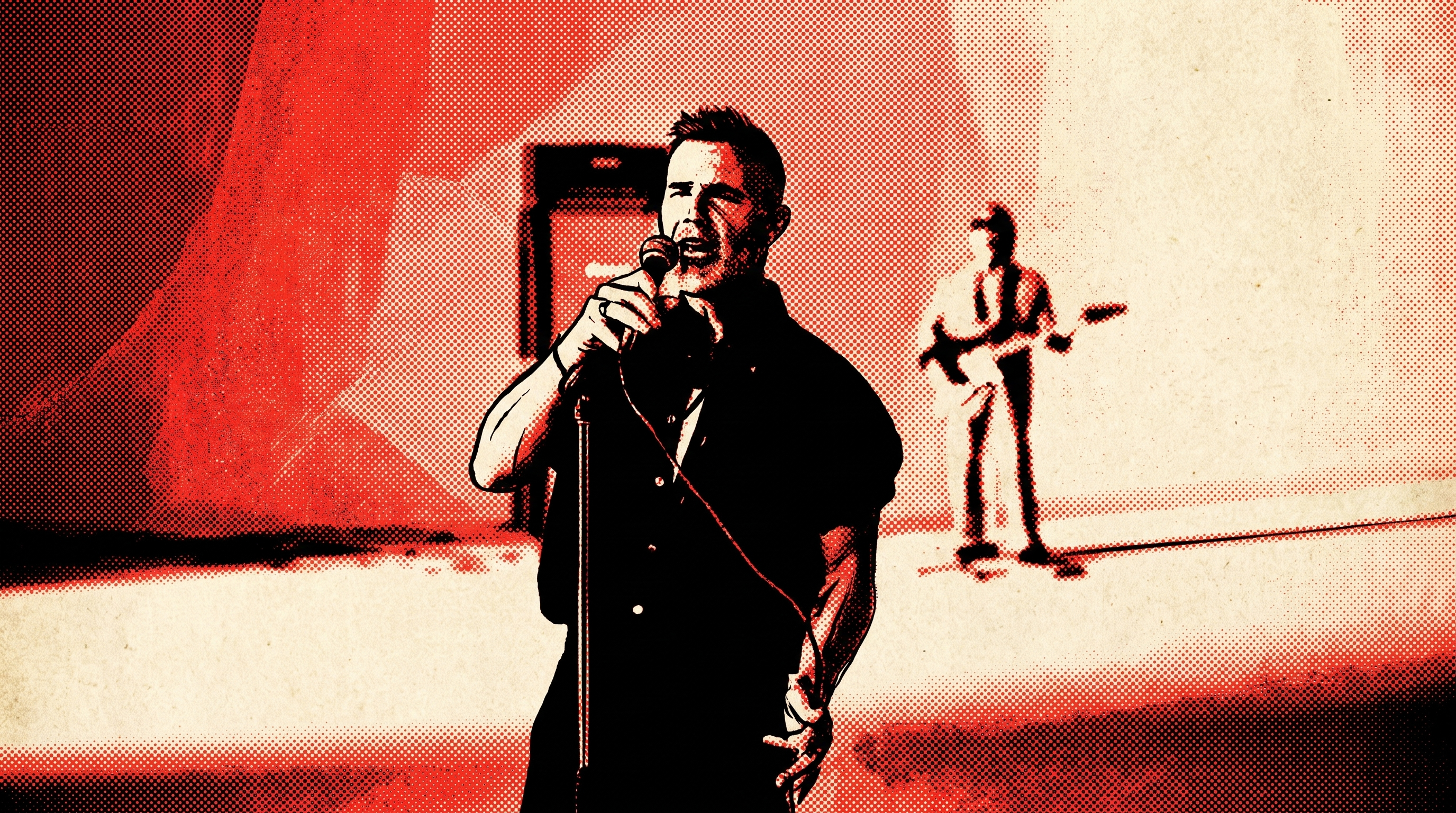
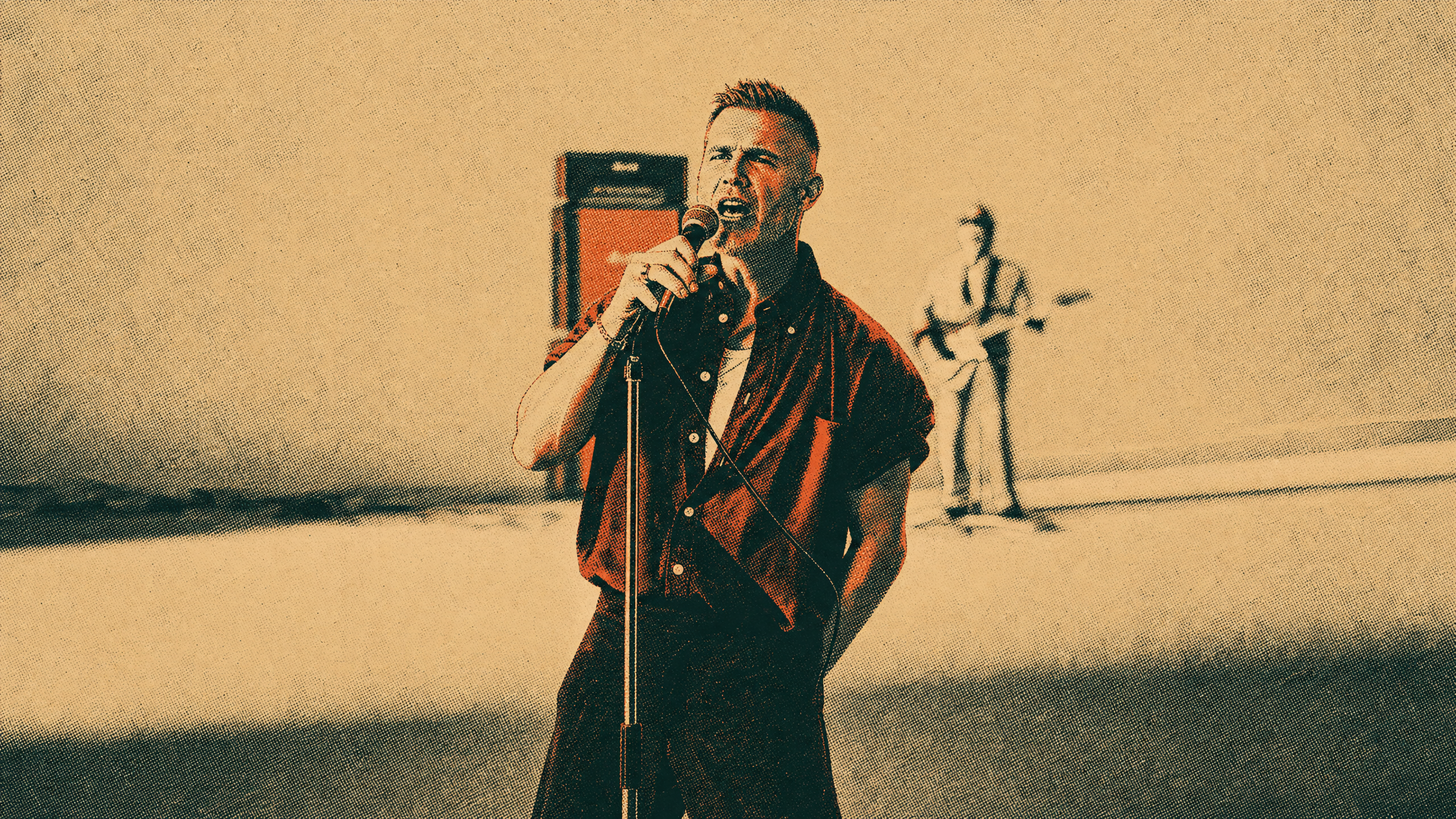
Every explored style was gathered on Milanote, a collaborative board tool, so the whole team could preview the directions side by side — the raw Midjourney research, the NanoBanana likeness passes, and the triptych variations — all in one shared space.
The boards made the creative conversation fast and visual: comparing versions, commenting directly on frames, and converging on the validated styles before moving into animation.
With the style locked, the next phase explored how it should move. Starting from a real on-set take used as the driver video, I derived control passes and ran animation experiments across several AI video generation models — testing as many possibilities as possible to get the widest range of options for the video.
For the final stage, every shot of the video was assigned across the three of us. The creation process kept evolving throughout this phase — each iteration refining the pipeline to reach a cleaner, more controlled, broadcast-ready result.

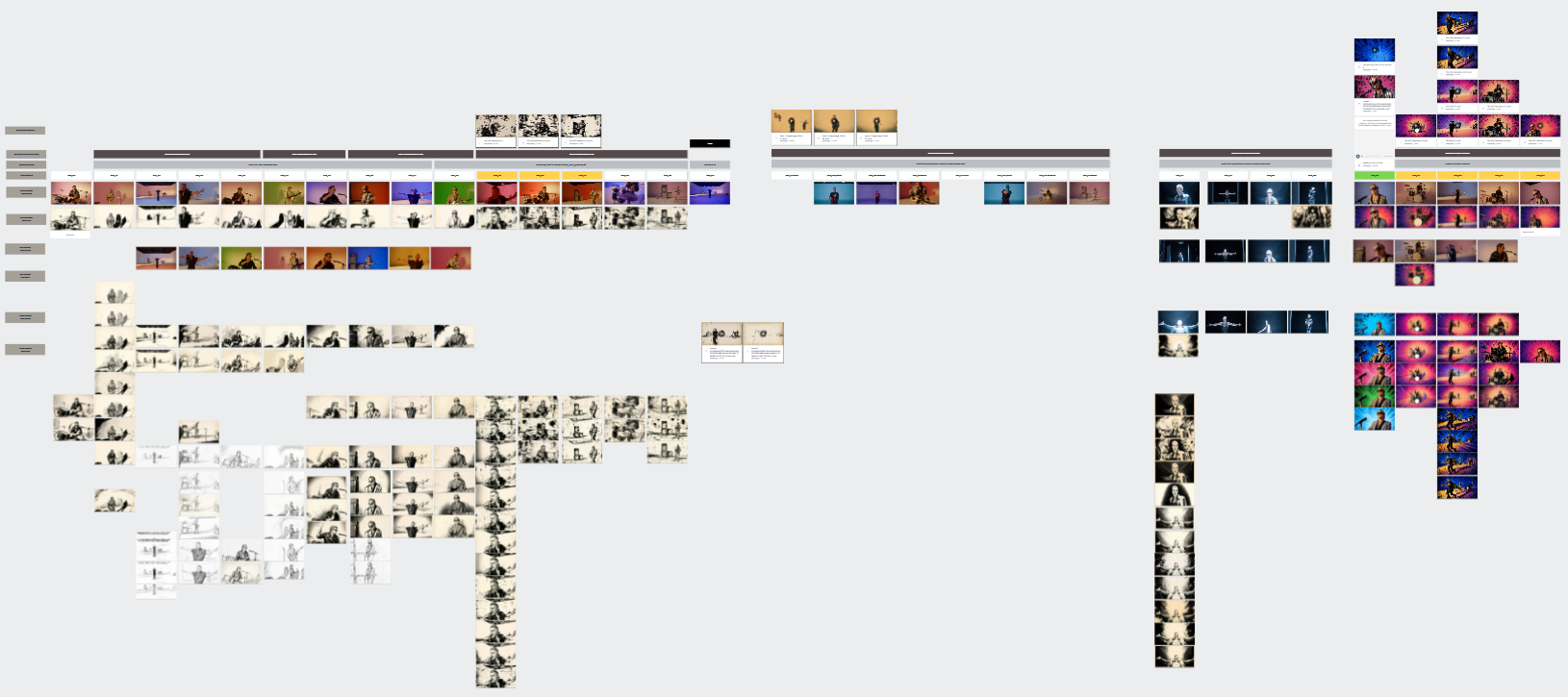
On this project I was also in charge of the edit. Take That's team had assembled a visual draft of the video, and my job was to take every shot and rebuild the entire cut to match it — same structure, same timing, same intent — so the AI-generated shots could slot perfectly into the approved edit.