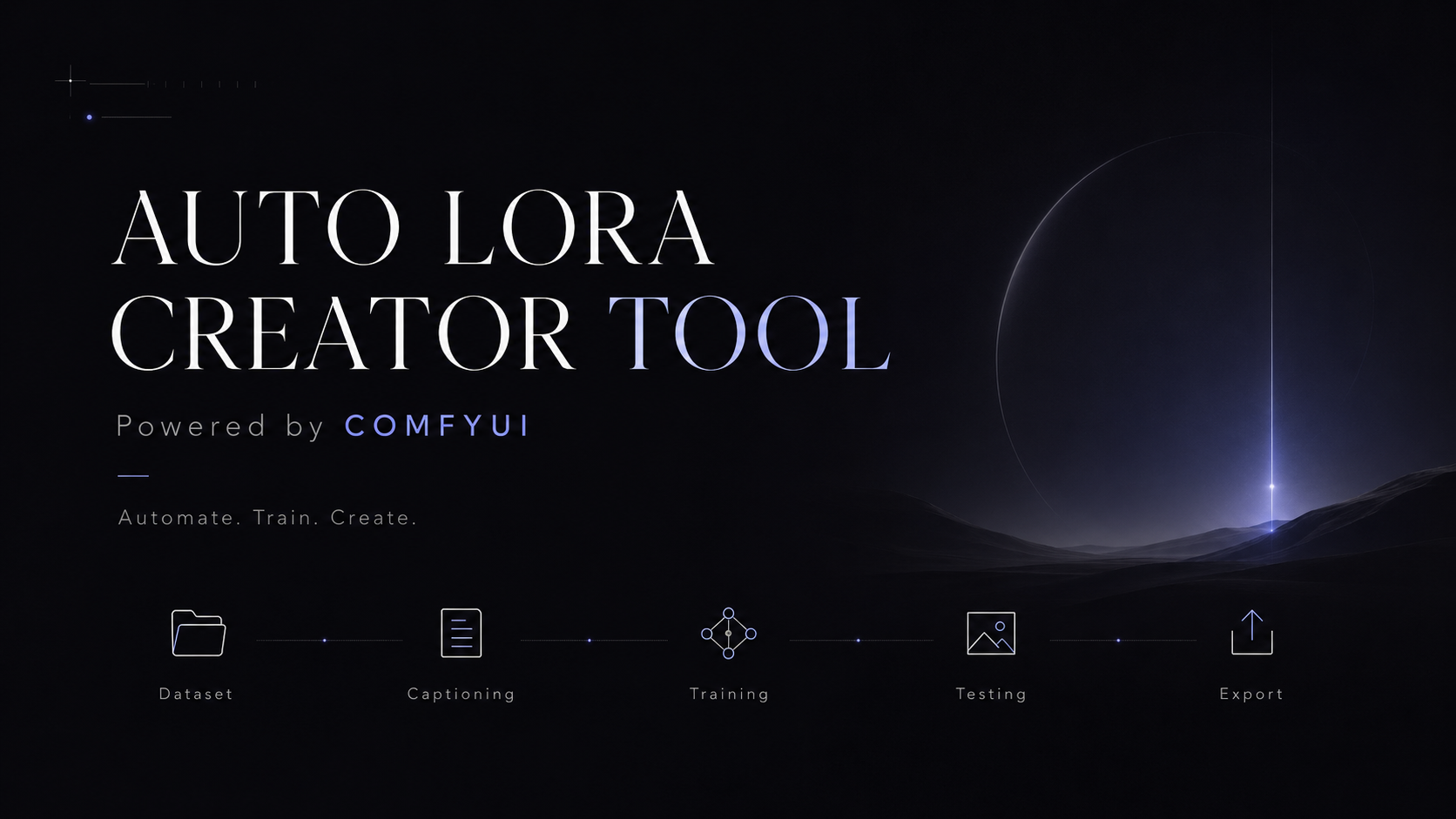
This project documents an ongoing research and experimentation process around building a ComfyUI pipeline capable of generating a custom LoRA from a character prompt. The goal is to move from a simple written idea to a reusable character system that can support consistent image and video production.
The project explores two complementary directions: a full ComfyUI automation workflow for generating datasets and training a LoRA, and a lighter GPT-based workflow that behaves like a simplified character consistency system through structured prompt engineering.
This page is currently the first structure of the case study. The full technical breakdown, failed attempts, refinements, node logic, prompting strategy, dataset preparation, and UI process will be added progressively.
Role
Research Direction · ComfyUI Workflow Design · Prompt System Design · Dataset Strategy · LoRA Pipeline Exploration · UI Concept
Deliverables
ComfyUI Pipeline Research · GPT Prompt System · Character Sheet Workflow · AutoLoRA Concept · App UI Prototype Overview
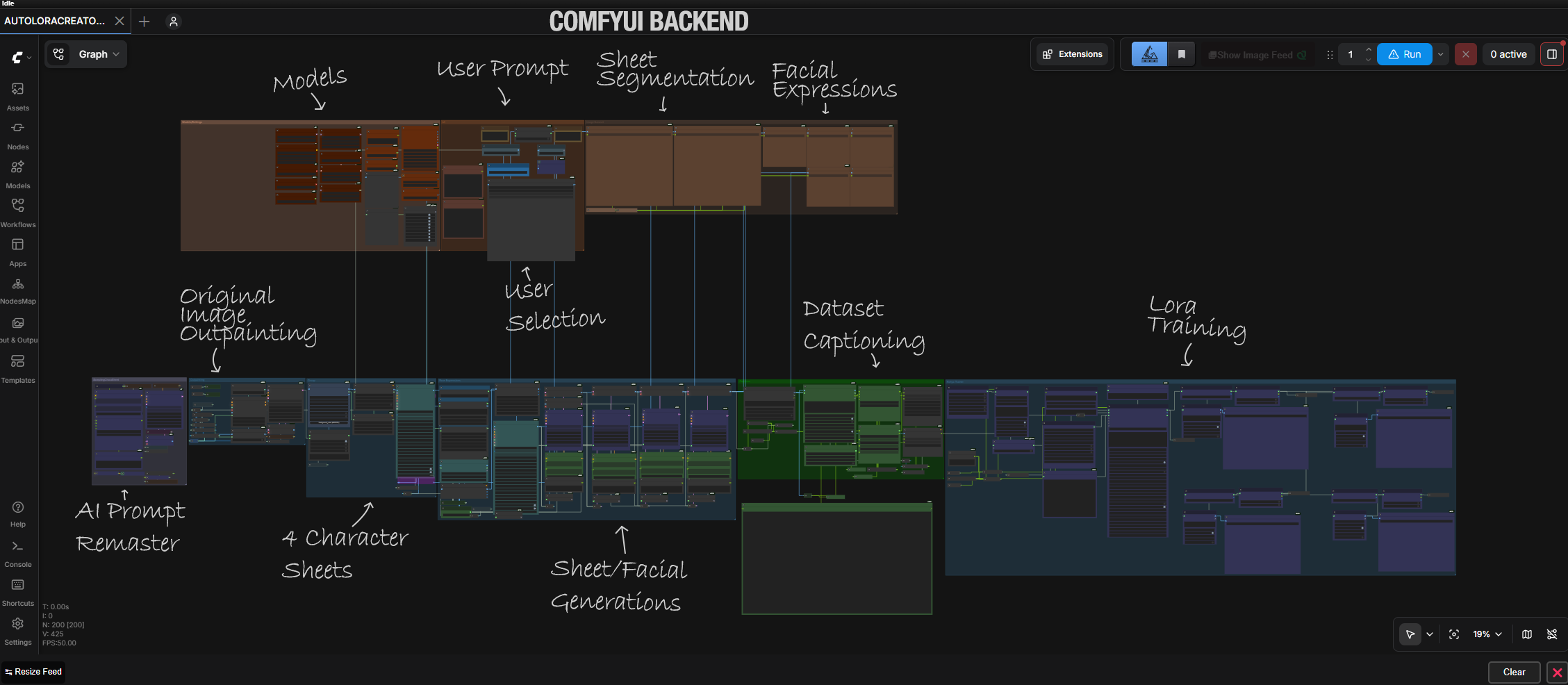
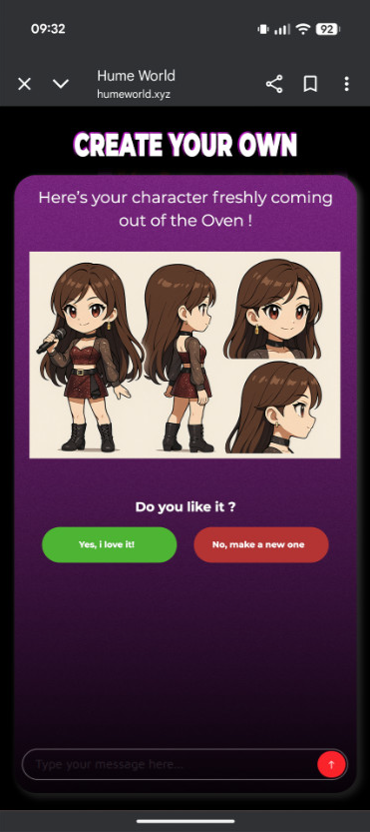
The final ComfyUI product is designed as a guided pipeline. The user inputs a character prompt, the prompt is remastered with AI to improve detail, visual intention, and production quality, then the workflow generates four character sheets.
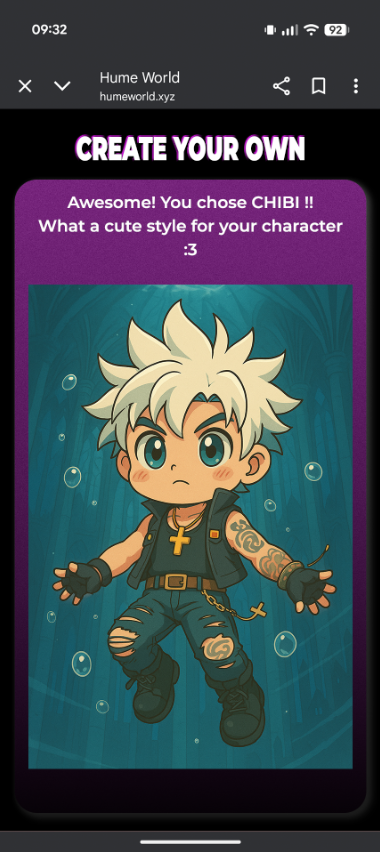
The user selects the strongest character sheet. From there, the system fragments the sheet into usable dataset images, creates different facial expressions, captions each image, trains a LoRA, and outputs a reusable character model for image and video generation.
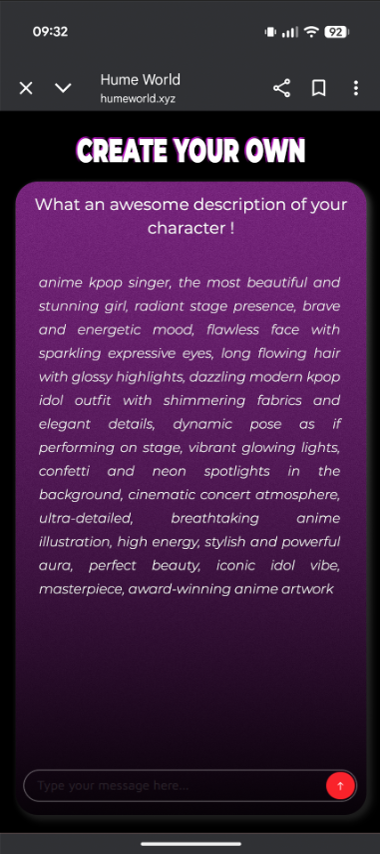
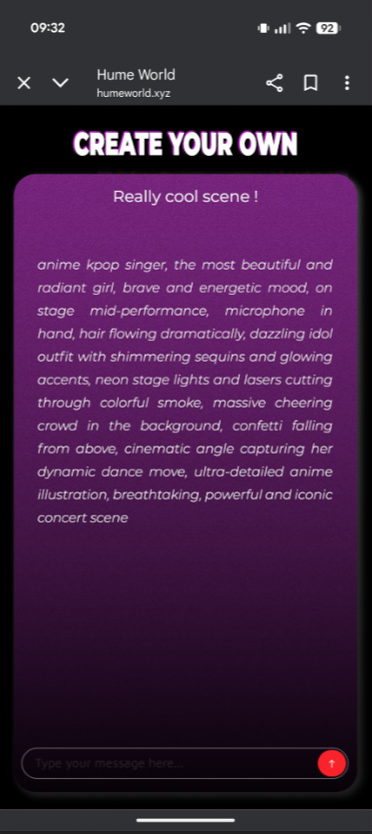
The GPT process is a simpler alternative. The user provides a basic prompt, and GPT transforms it through a template into a complex, precise, production-ready character prompt.
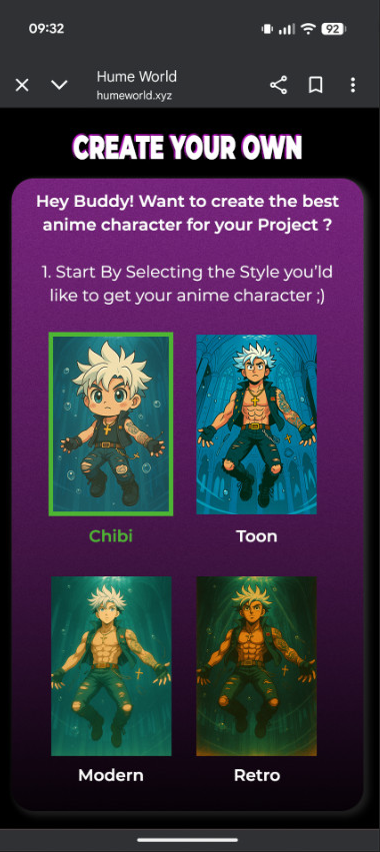
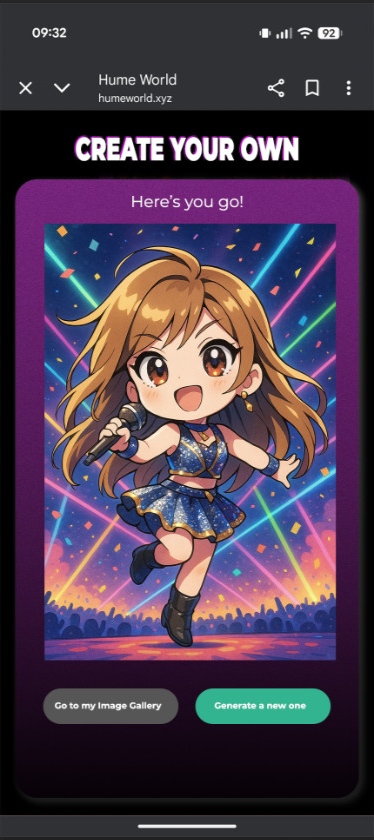
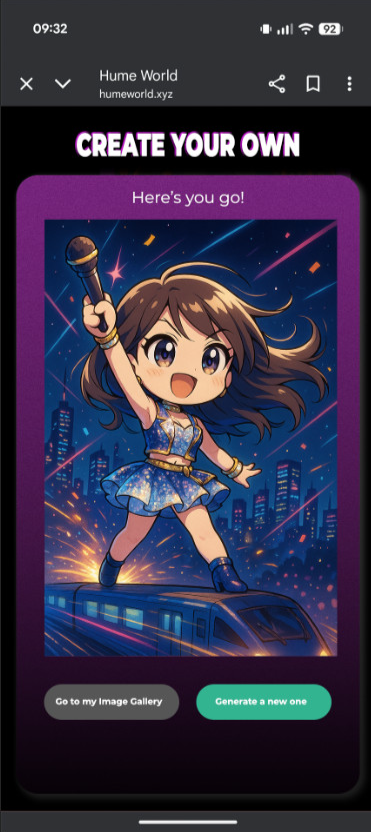
The user chooses a graphic style. GPT converts that style into a full style prompt, concatenates it with the character prompt, and generates a character sheet. From that point, GPT acts almost like a LoRA by translating every new user request into a detailed technical prompt based on the character sheet and selected style.
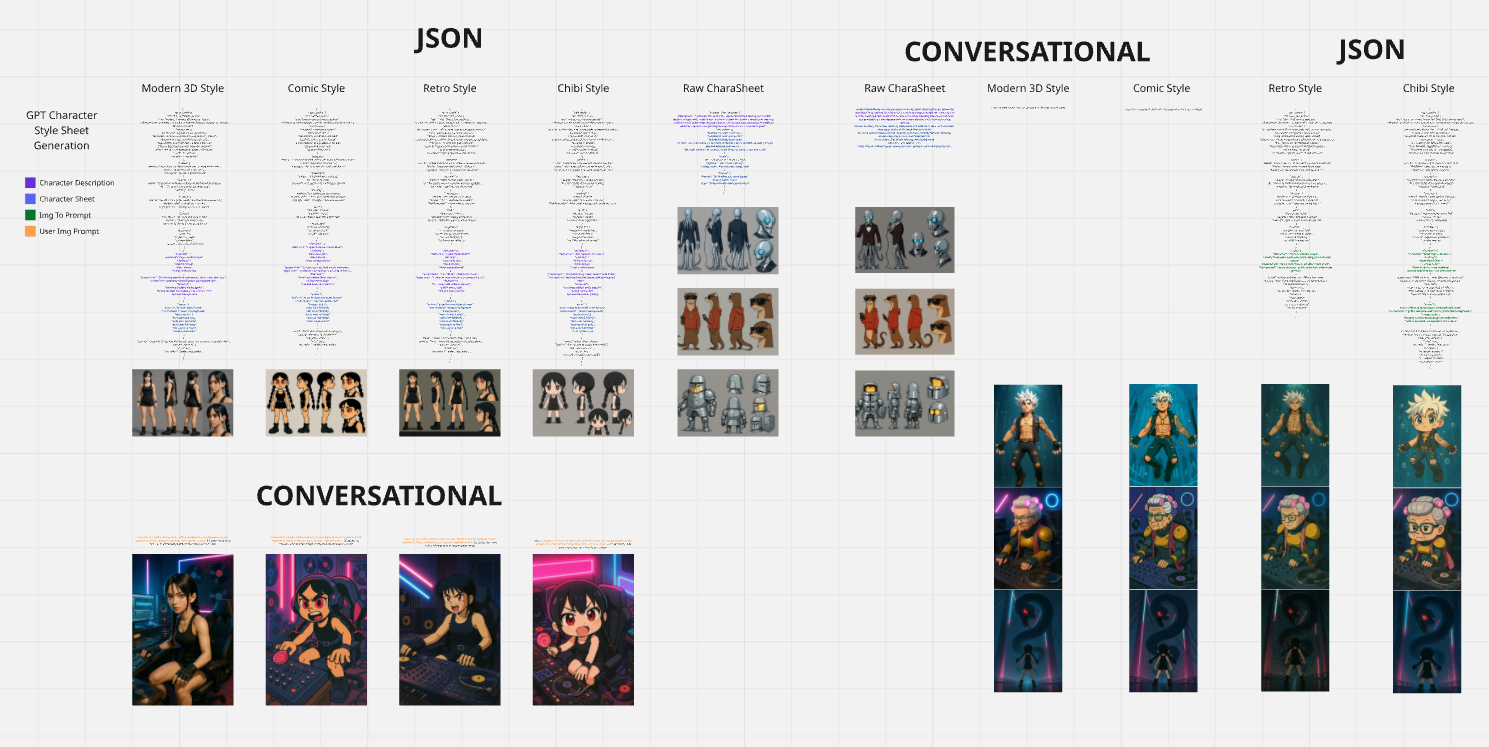
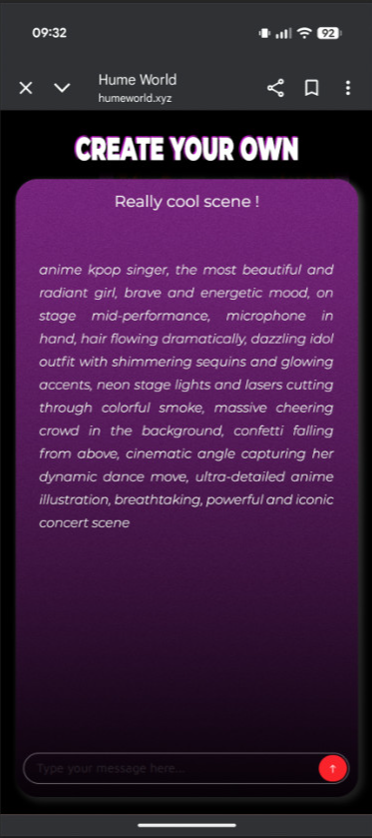
A simple character idea becomes a complex prompt with visual detail, character logic, costume, camera language, lighting, and mood.
The chosen style is translated into a reusable style prompt and merged with the character definition to create consistent visual outputs.
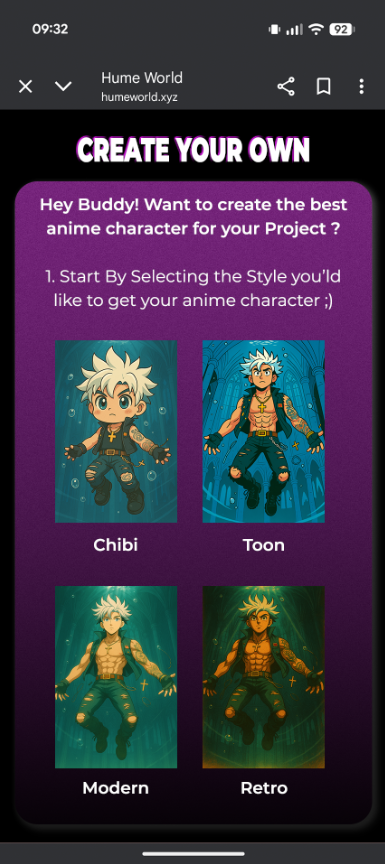
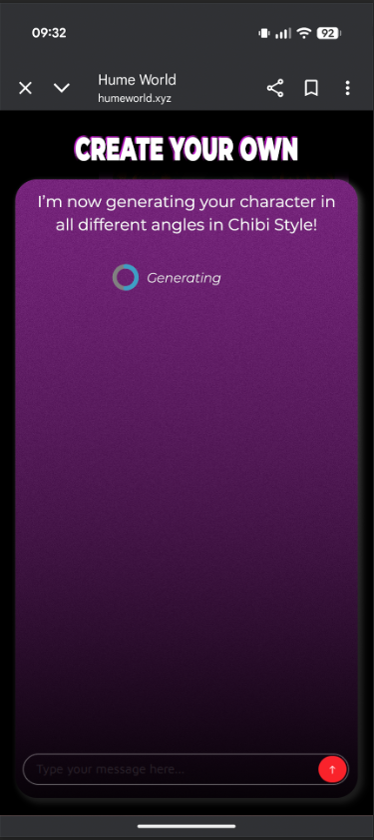
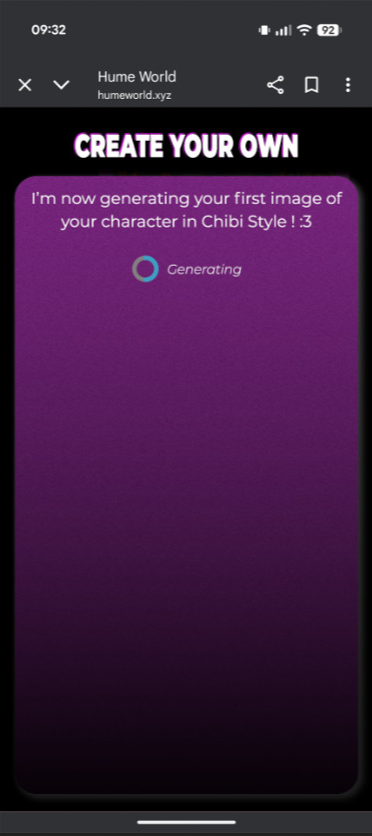
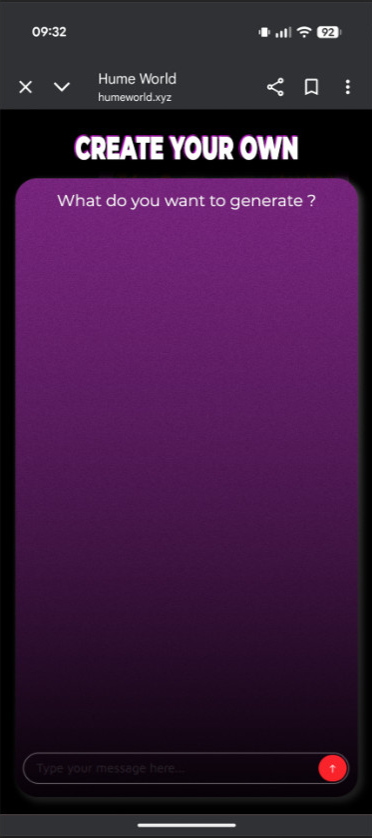
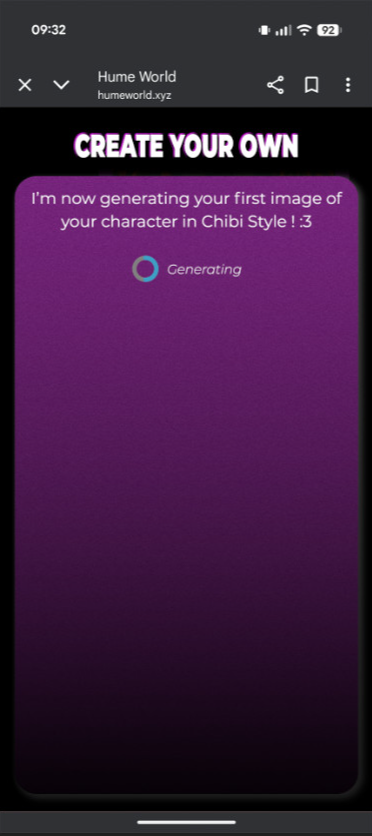
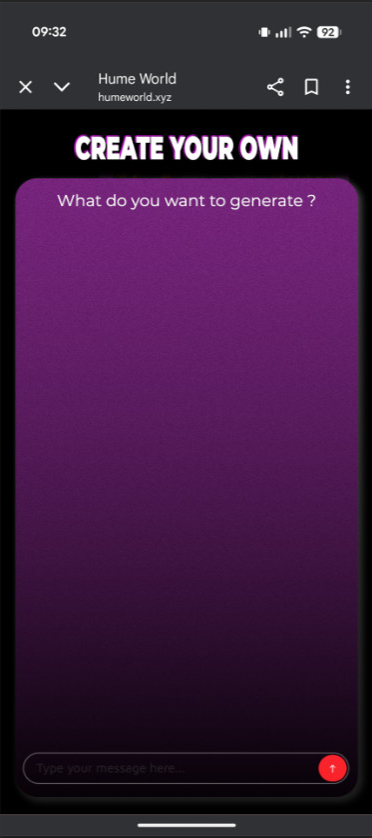
The app UI concept is meant to show how this workflow could become a usable product: prompt input, style selection, character sheet review, dataset generation, LoRA training status, and final character model usage.
This section will receive the 17 UI process images and become a visual walkthrough of the product experience.
The next version of this page will document the full research process: workflow iterations, prompt remastering logic, character sheet generation, fragmentation strategy, expression generation, captioning, LoRA training, validation, failed experiments, and the GPT-based shortcut.
This first version is intentionally structured as a strong skeleton, so the long-form technical breakdown can be added step by step without rebuilding the page later.