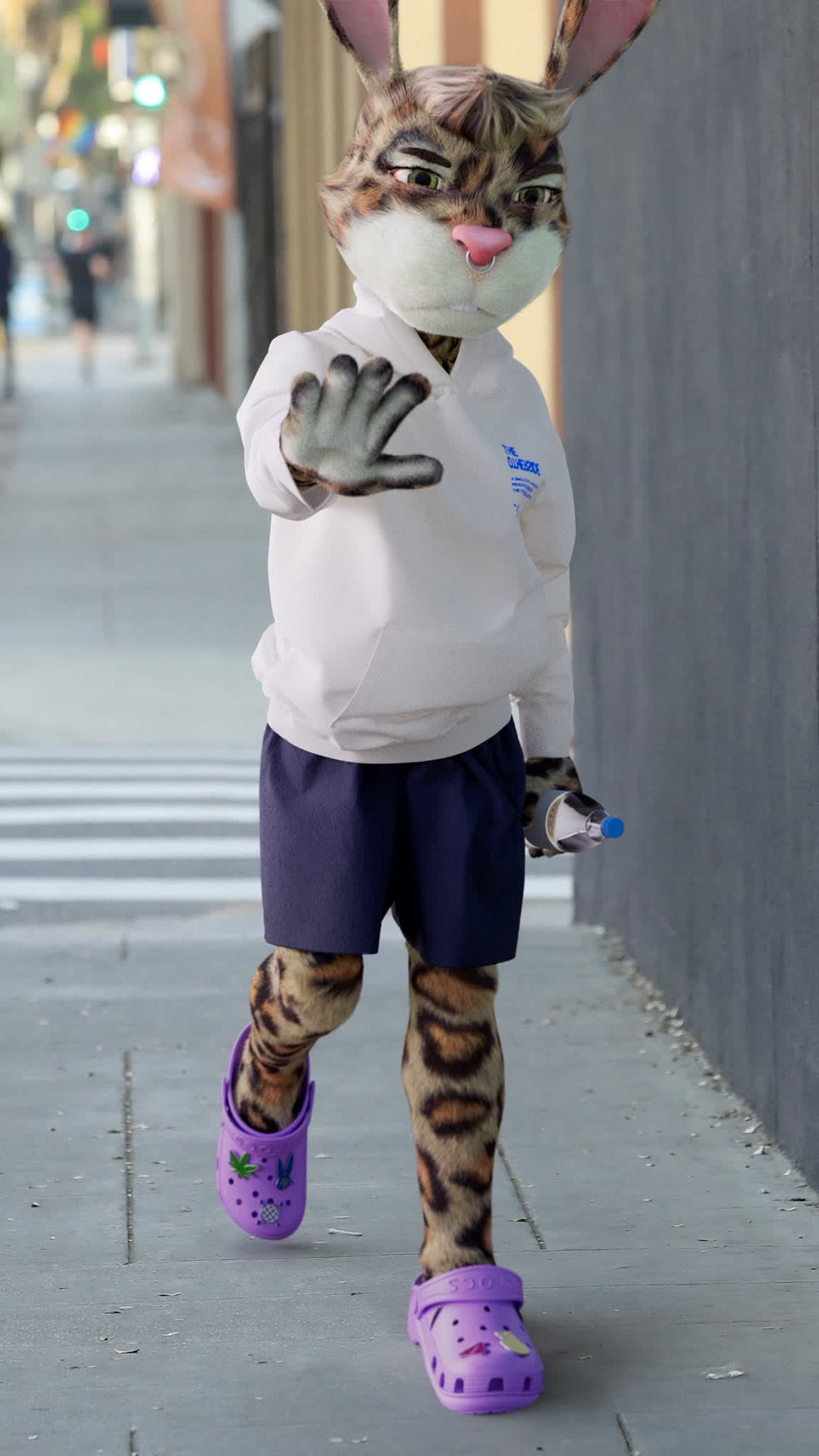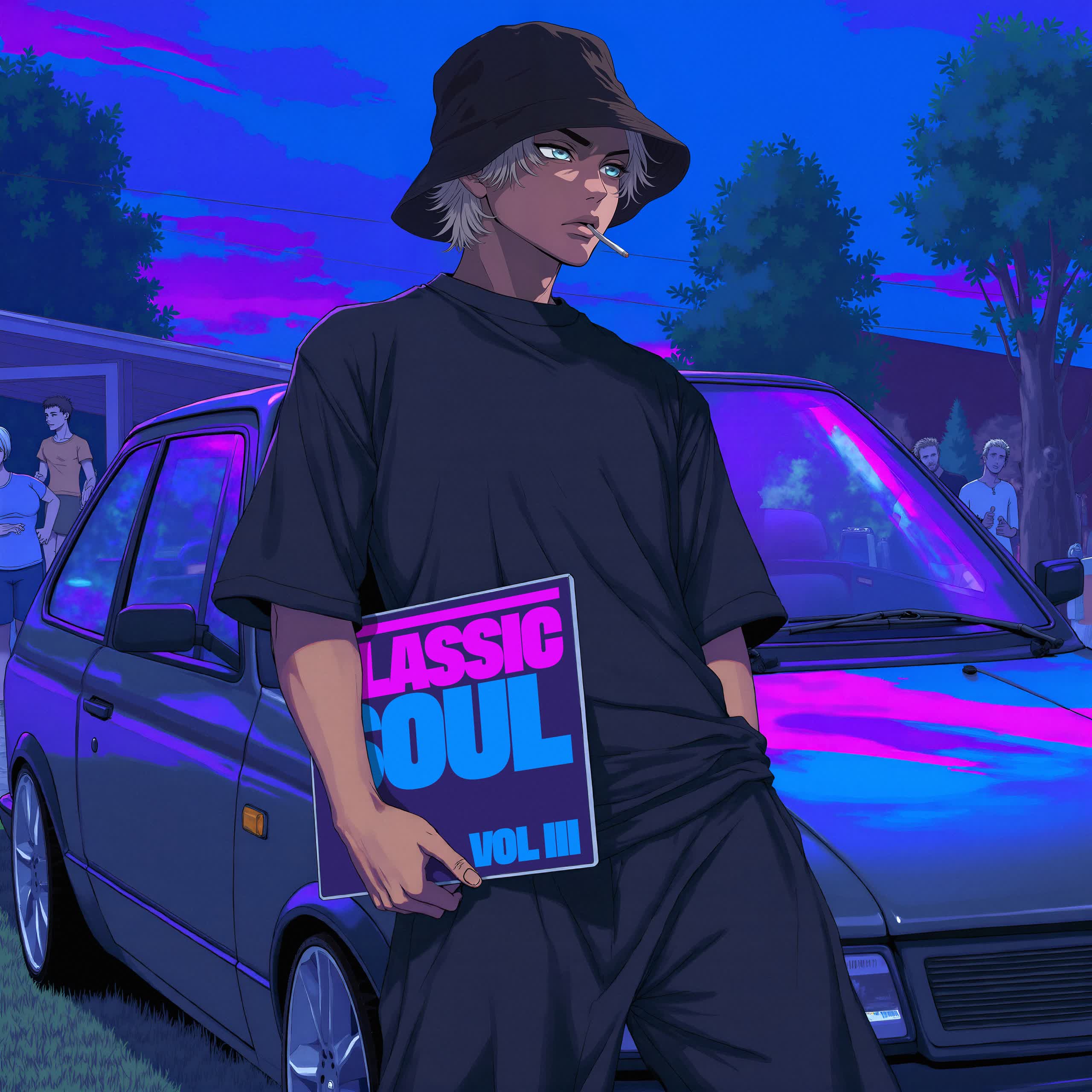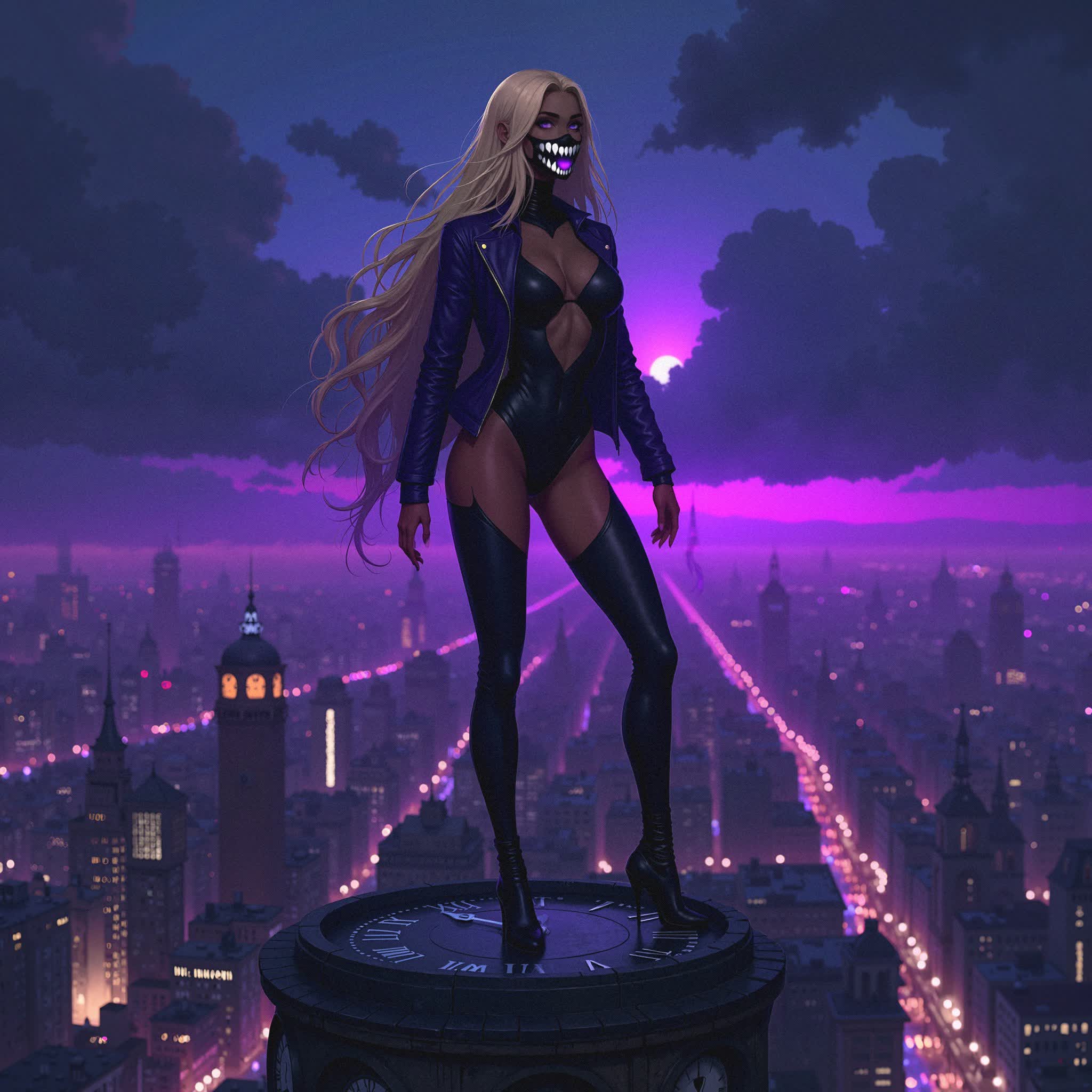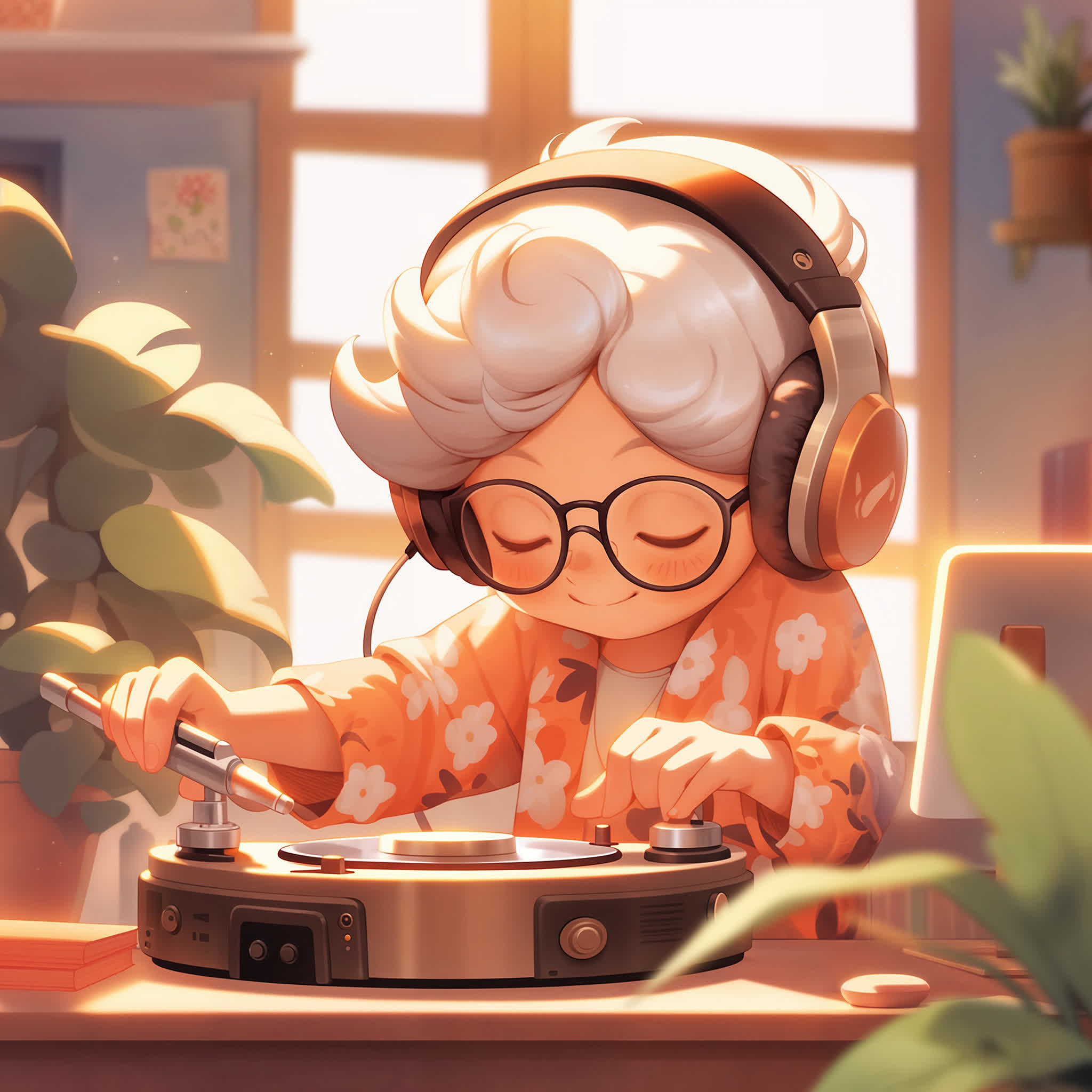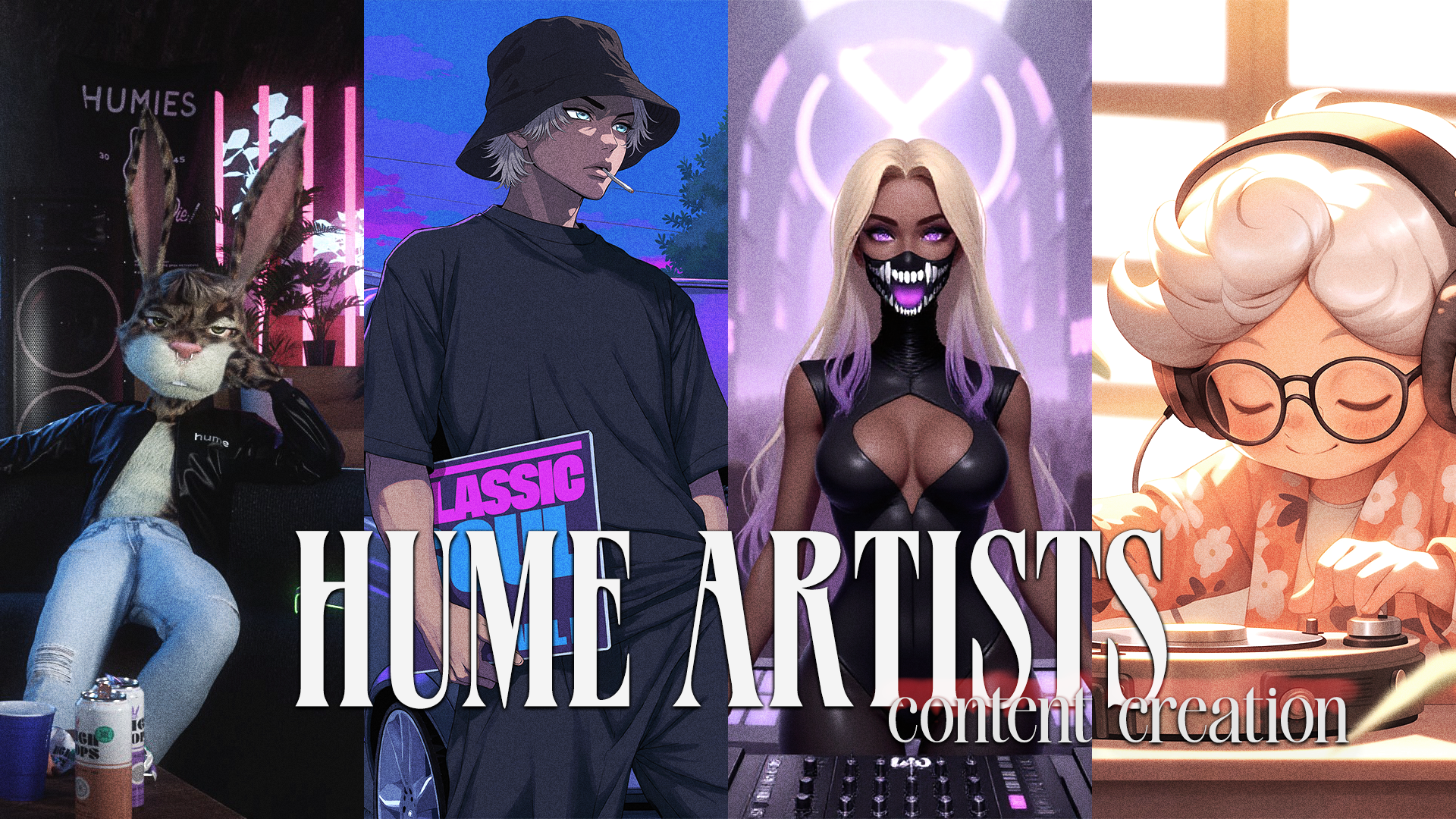
The Hume Collective created a set of virtual artists, each with a defined universe, identity, and music style attached to them. Each artist exists as a unique character connected to their own world.
From Angelbaby, the ultra-realistic bunny character in a Gorillaz-inspired music universe, to Kai.wav, the anime shonen character living in a house-oriented world, with Louder as the meme character and Lofi Grandma as a softer nostalgic figure, Hume built a wide range of metastars to define their culture and visual identity.
I contributed to the creation of social content and production assets for several of these artists, including character LoRA creation, image visuals, video content for socials, and visual explorations for different uses.
Role
AI Visual Production - Character LoRA Creation - Social Content - Image Visuals - Video Asset Creation
Deliverables
Character Visuals - LoRA Tests - Social Media Assets - Video Content - Artist Universe Explorations
This overview gathers four Hume artist universes I contributed to. Each tile will lead to a dedicated section of this page where we will later add the specific images, videos, LoRA tests, and production notes.
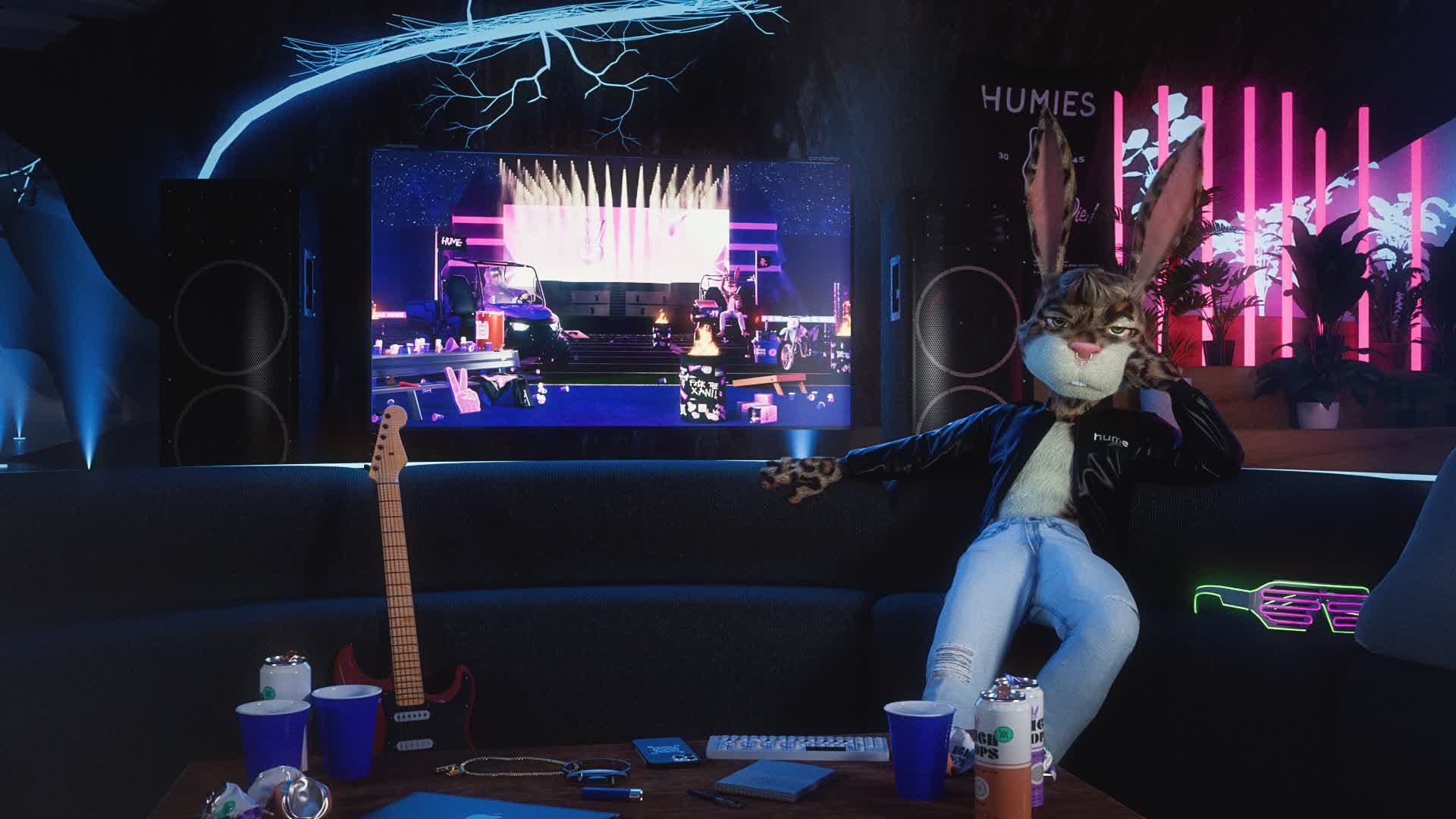
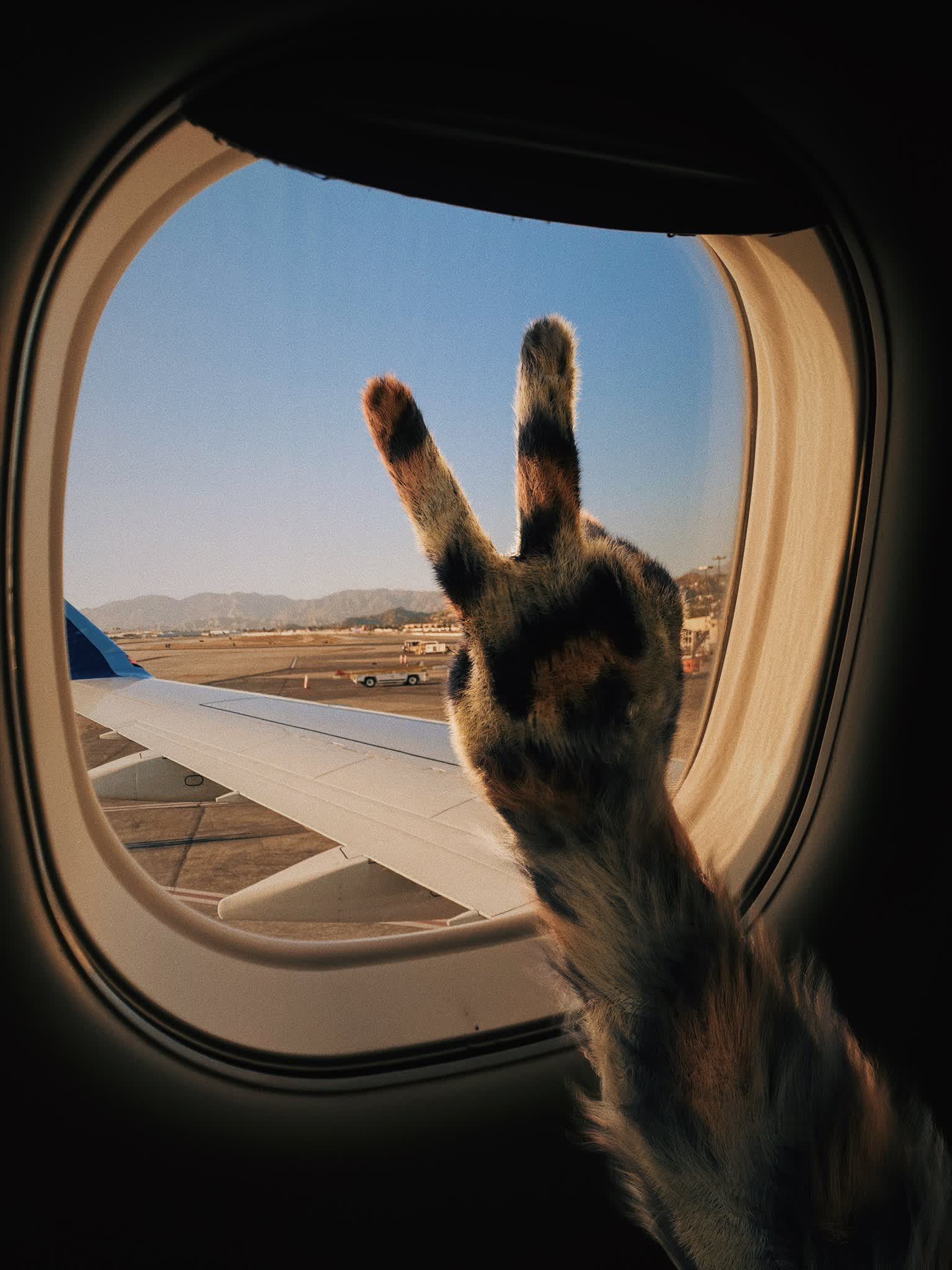
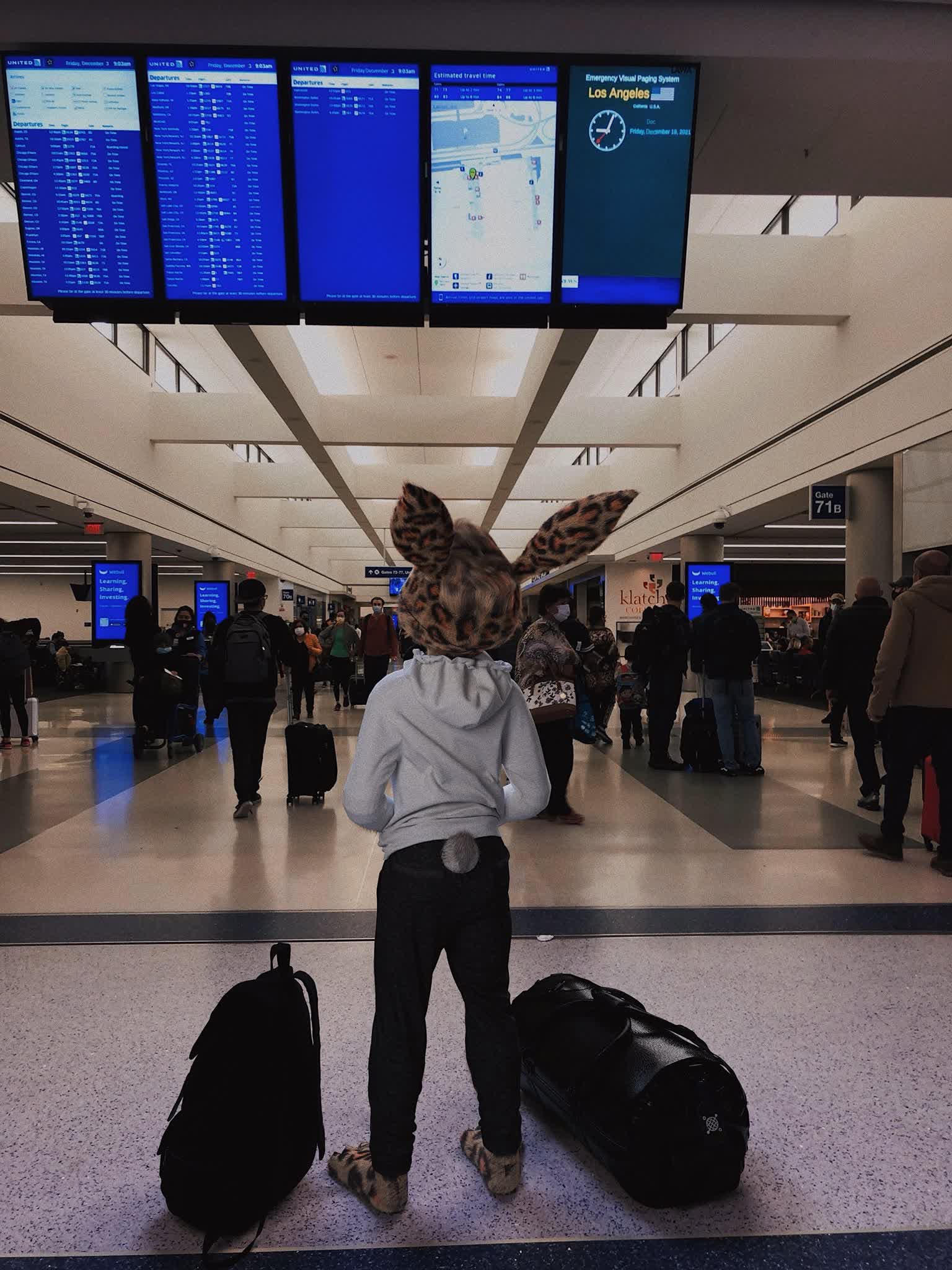
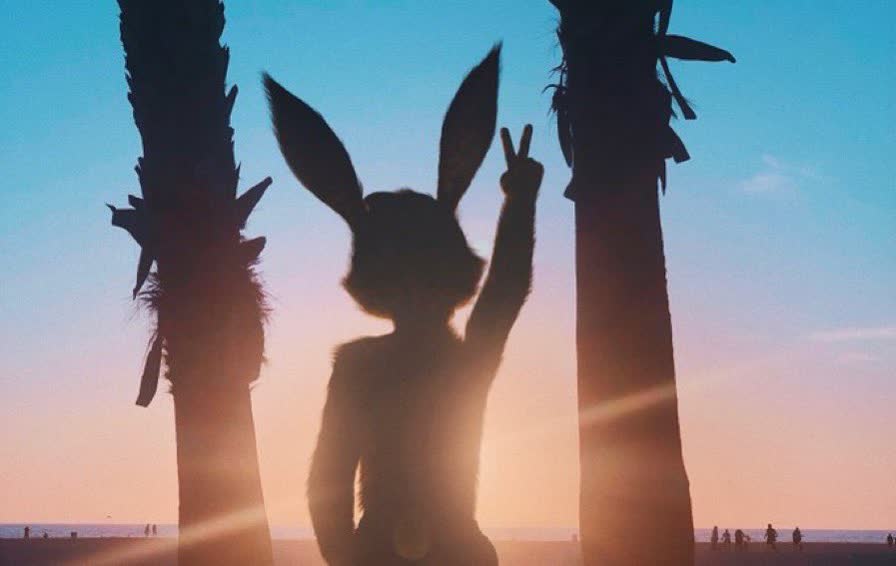
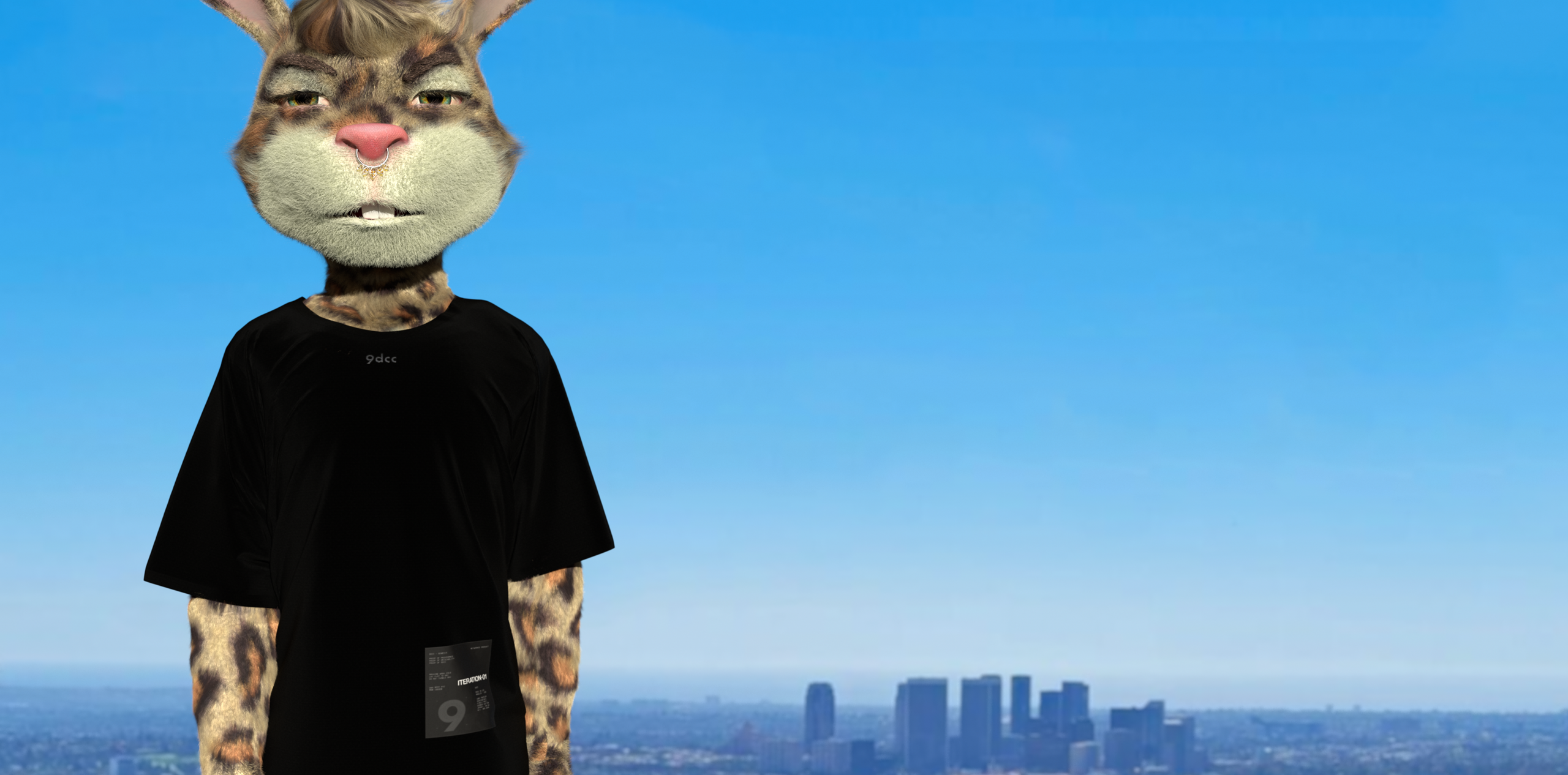
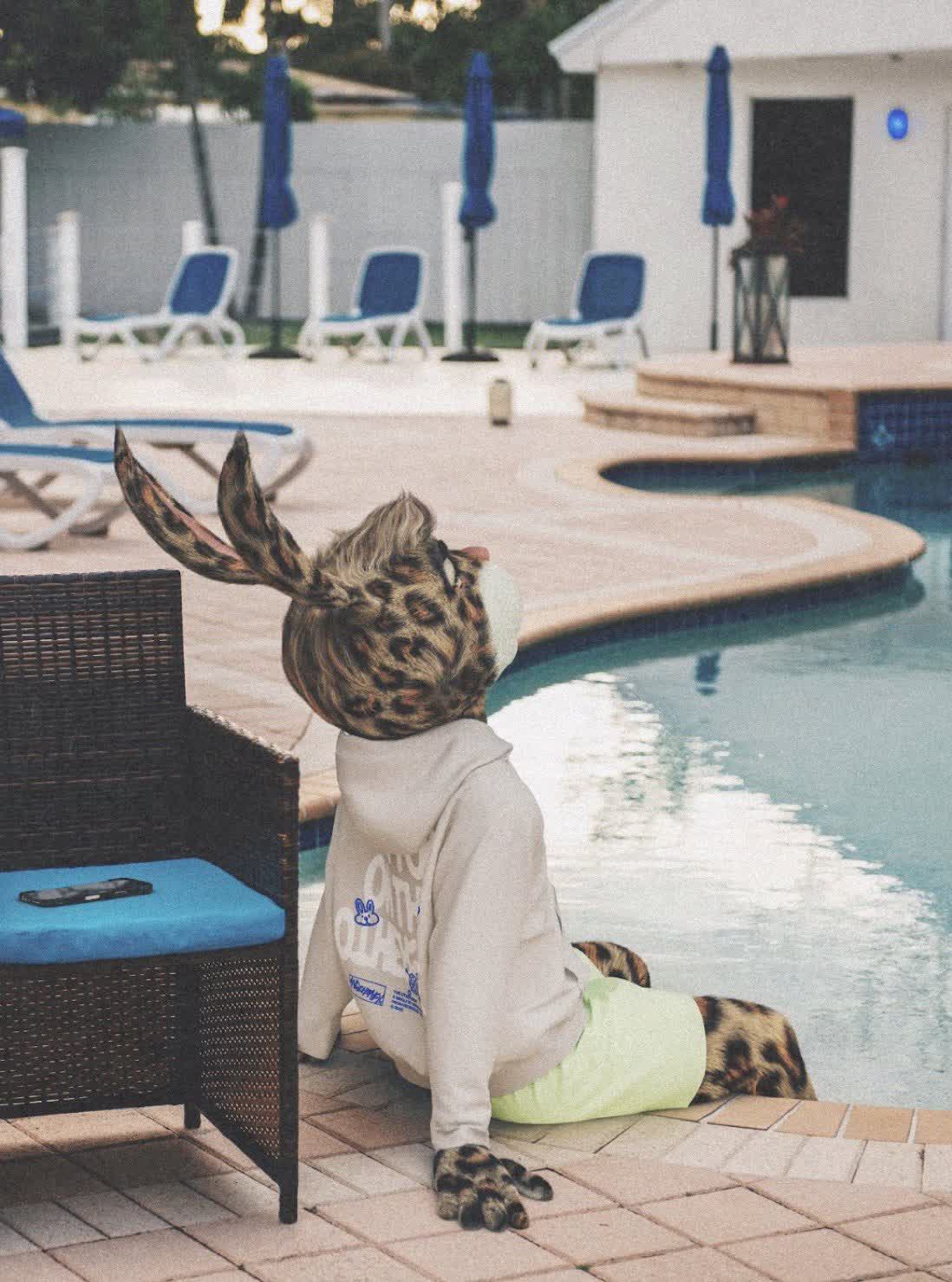
Angelbaby is an ultra-realistic 3D character designed to live inside real photographic environments. The work focused on making the character feel physically present, matching lighting, camera angle, material response, pose, and final image polish.
Across the project, the production approach moved between fast social content creation and more detailed Cinema 4D scene builds. Some images were created by compositing Angelbaby into existing footage or photography, while others used complete 3D environments built for the final visual.
A curated overview of Angelbaby visuals created for social content, character exploration, campaign assets, and world-building. This section will gather the strongest image outputs from the project once the final selection is added.
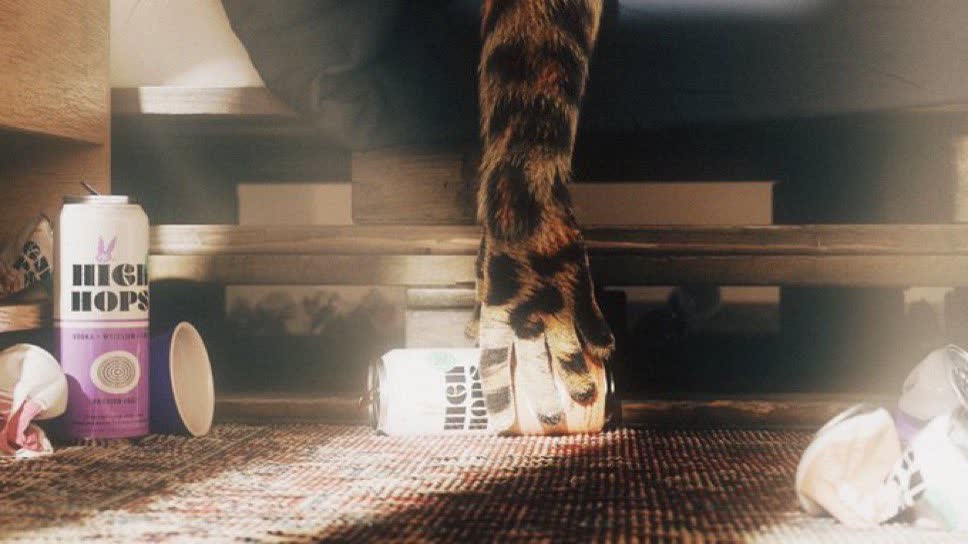
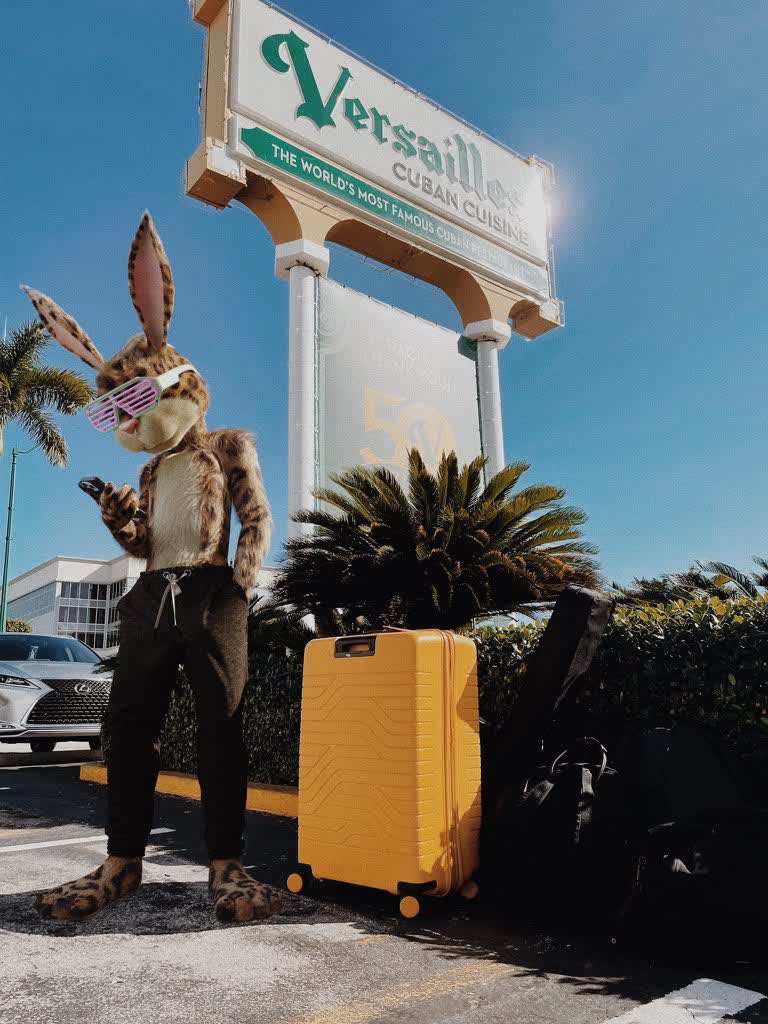
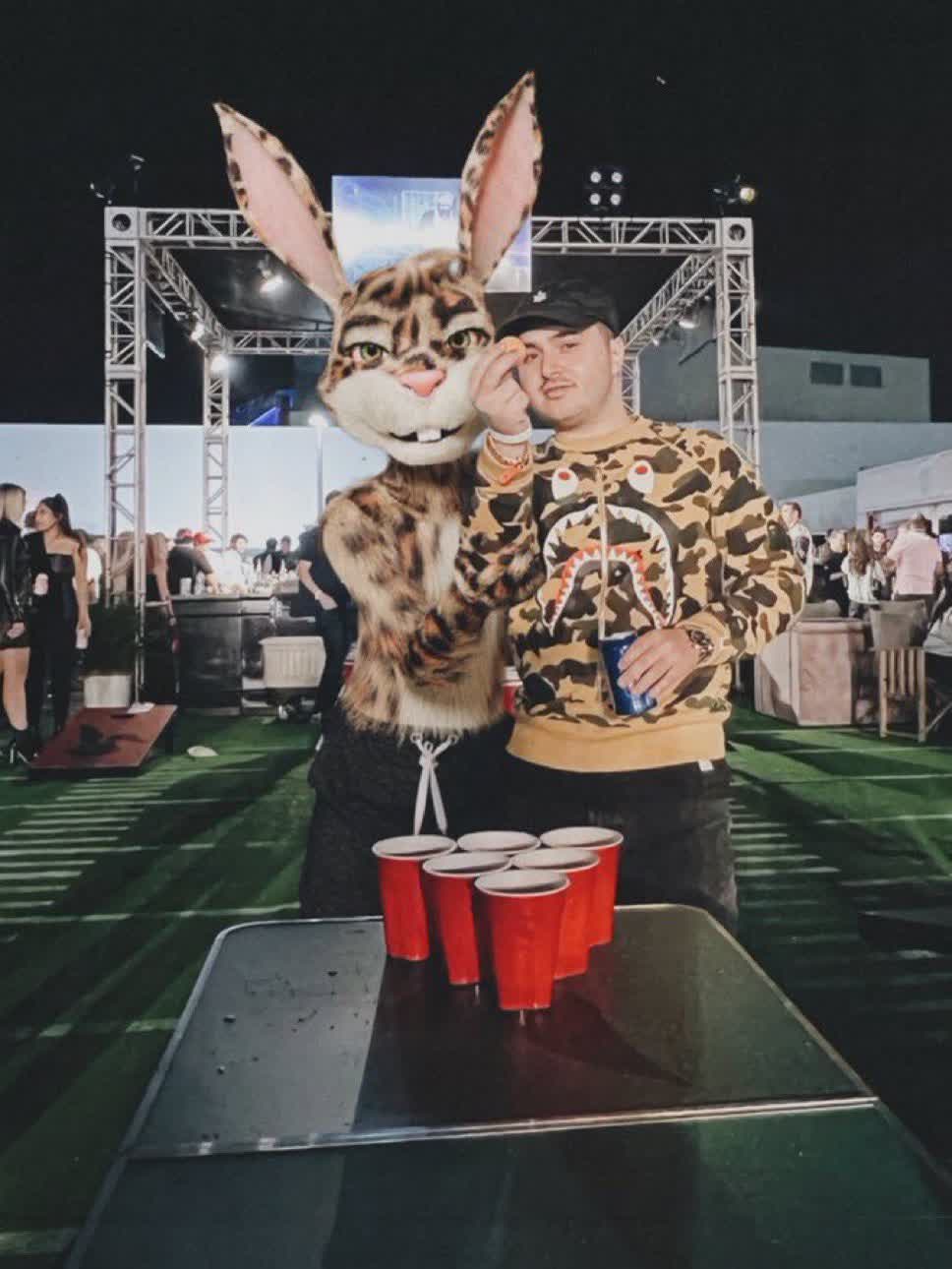
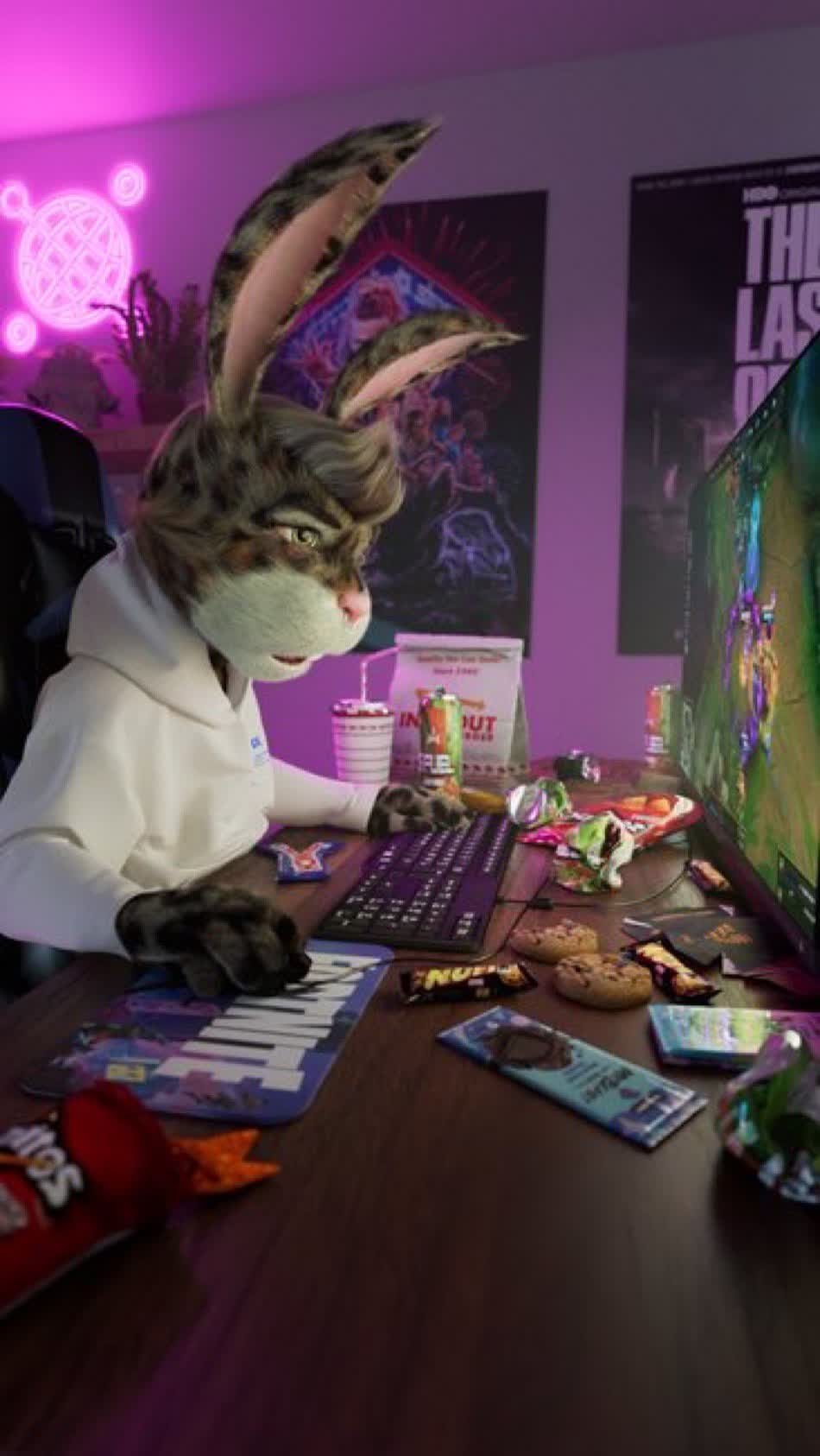
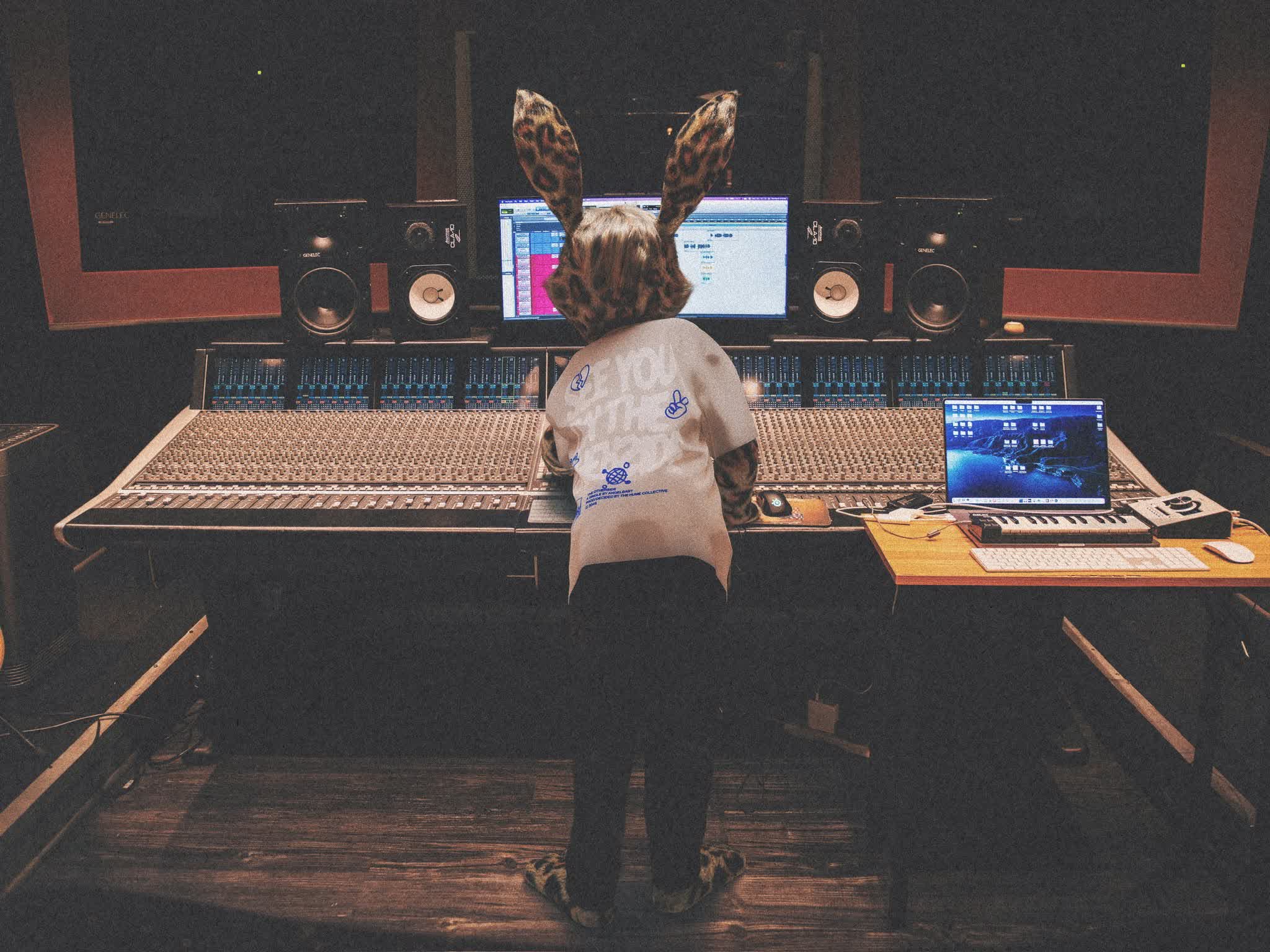
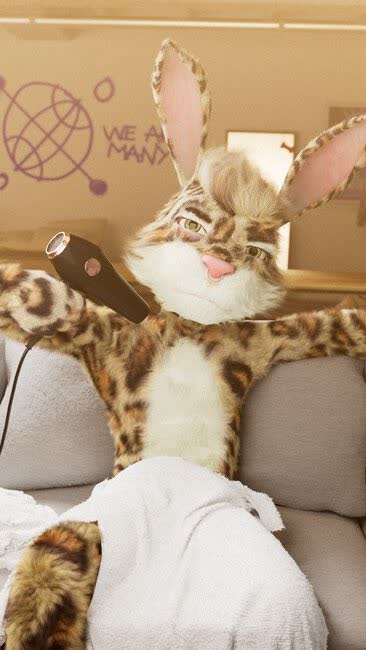
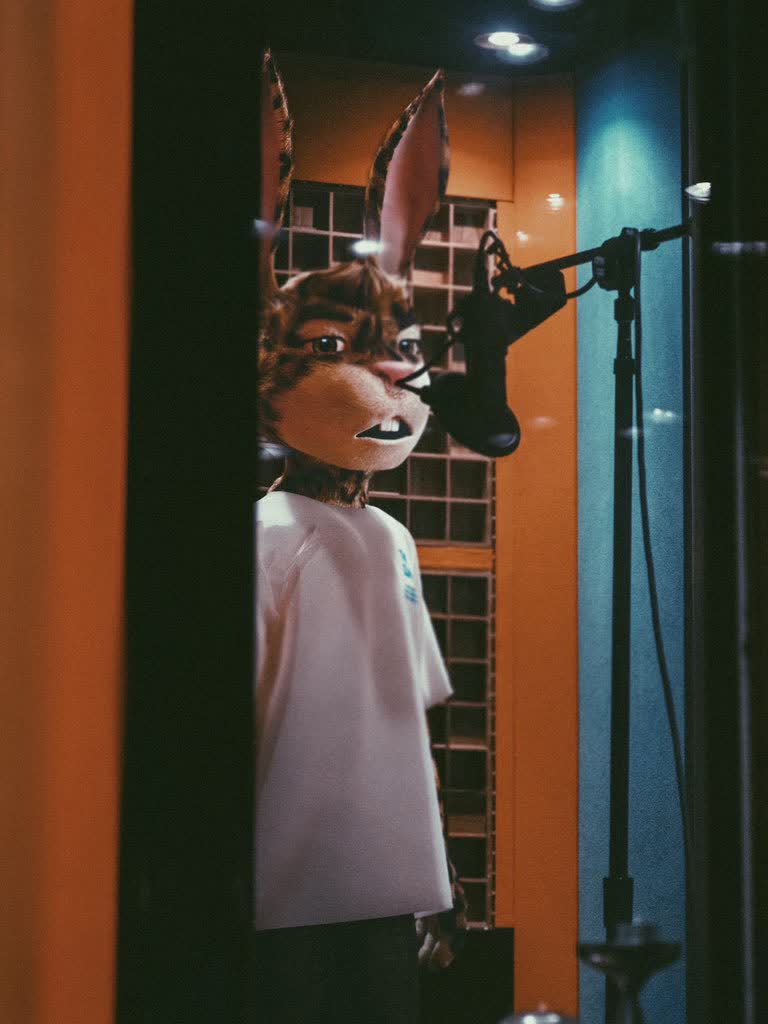
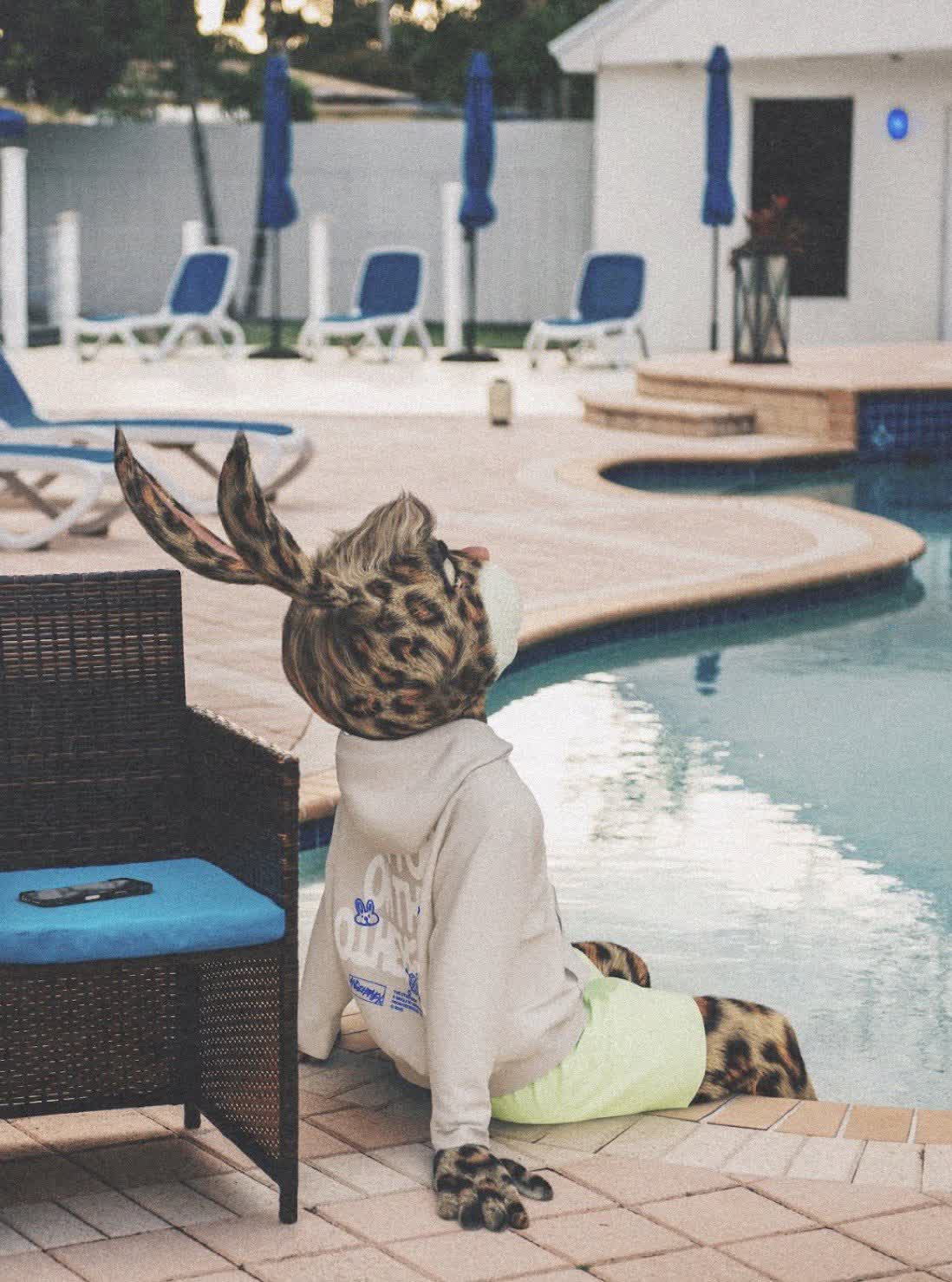
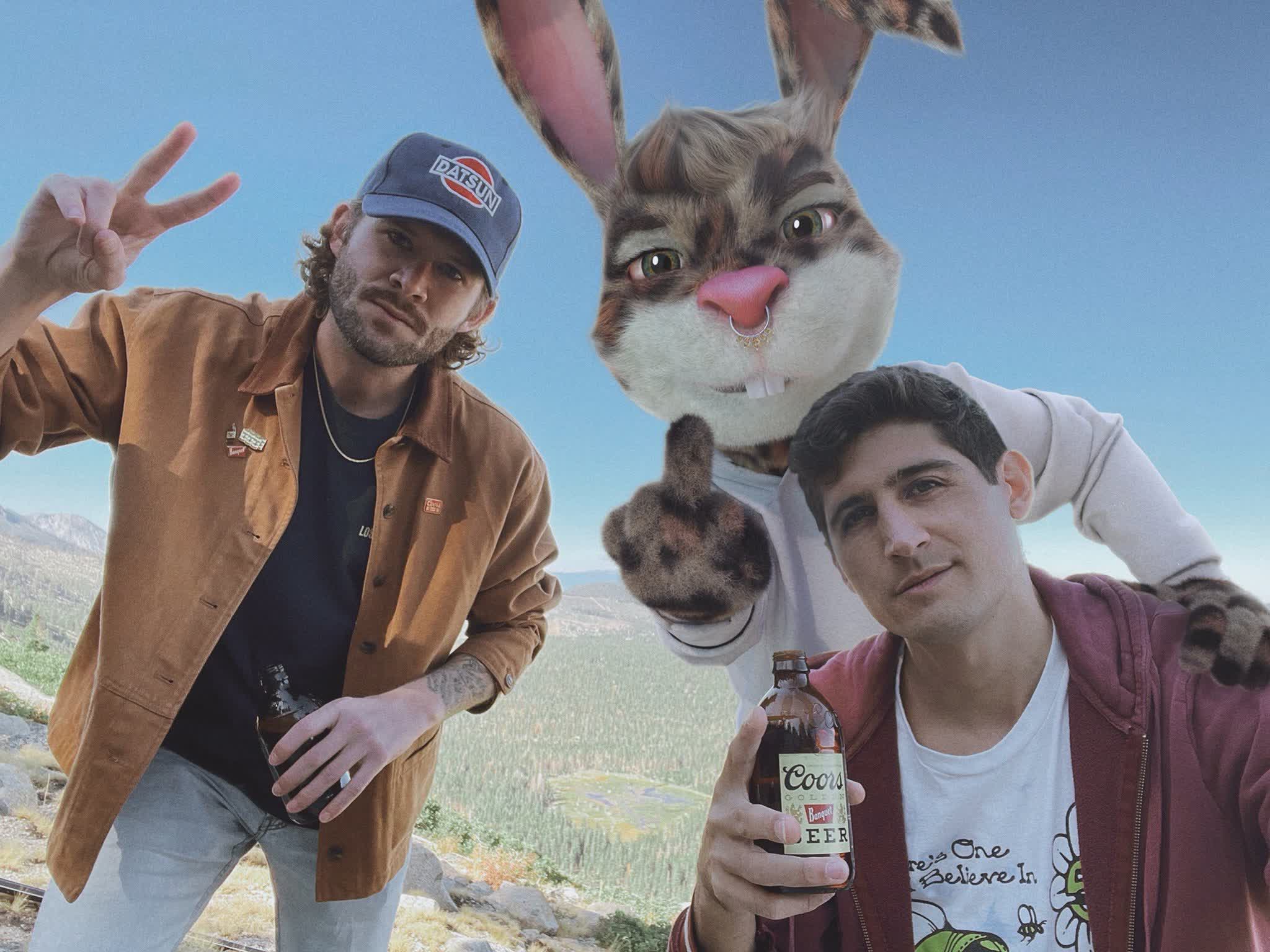
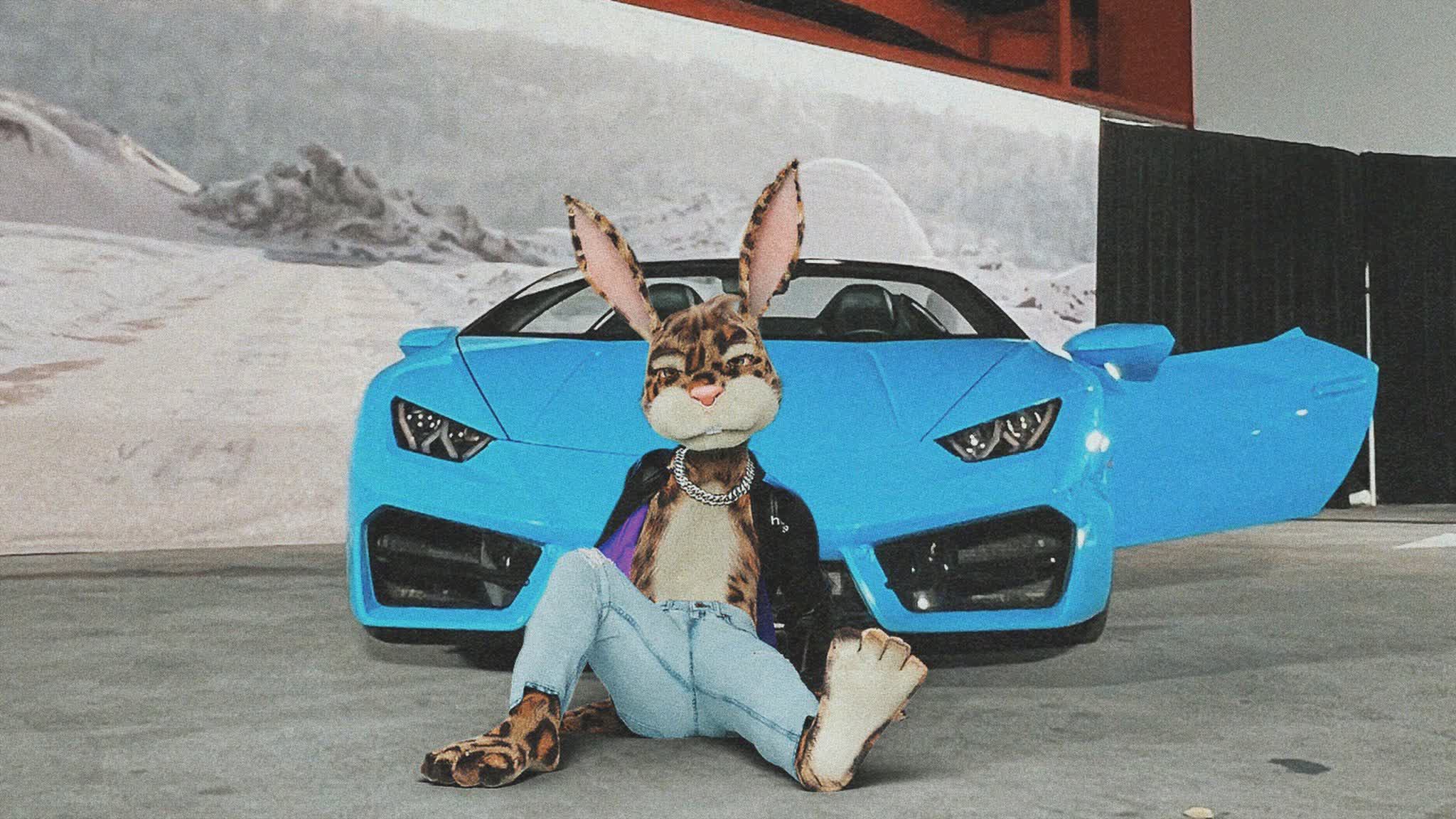
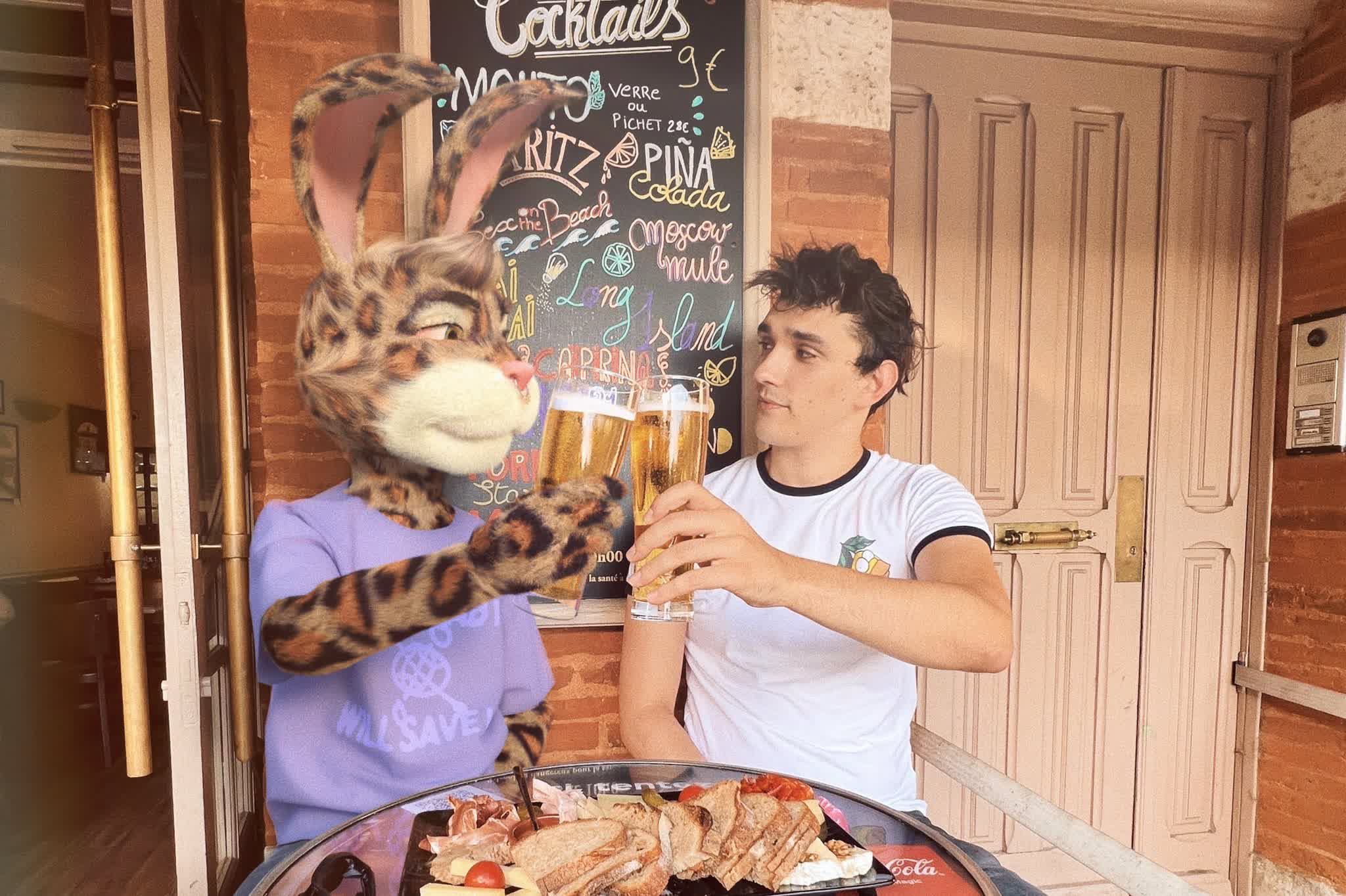
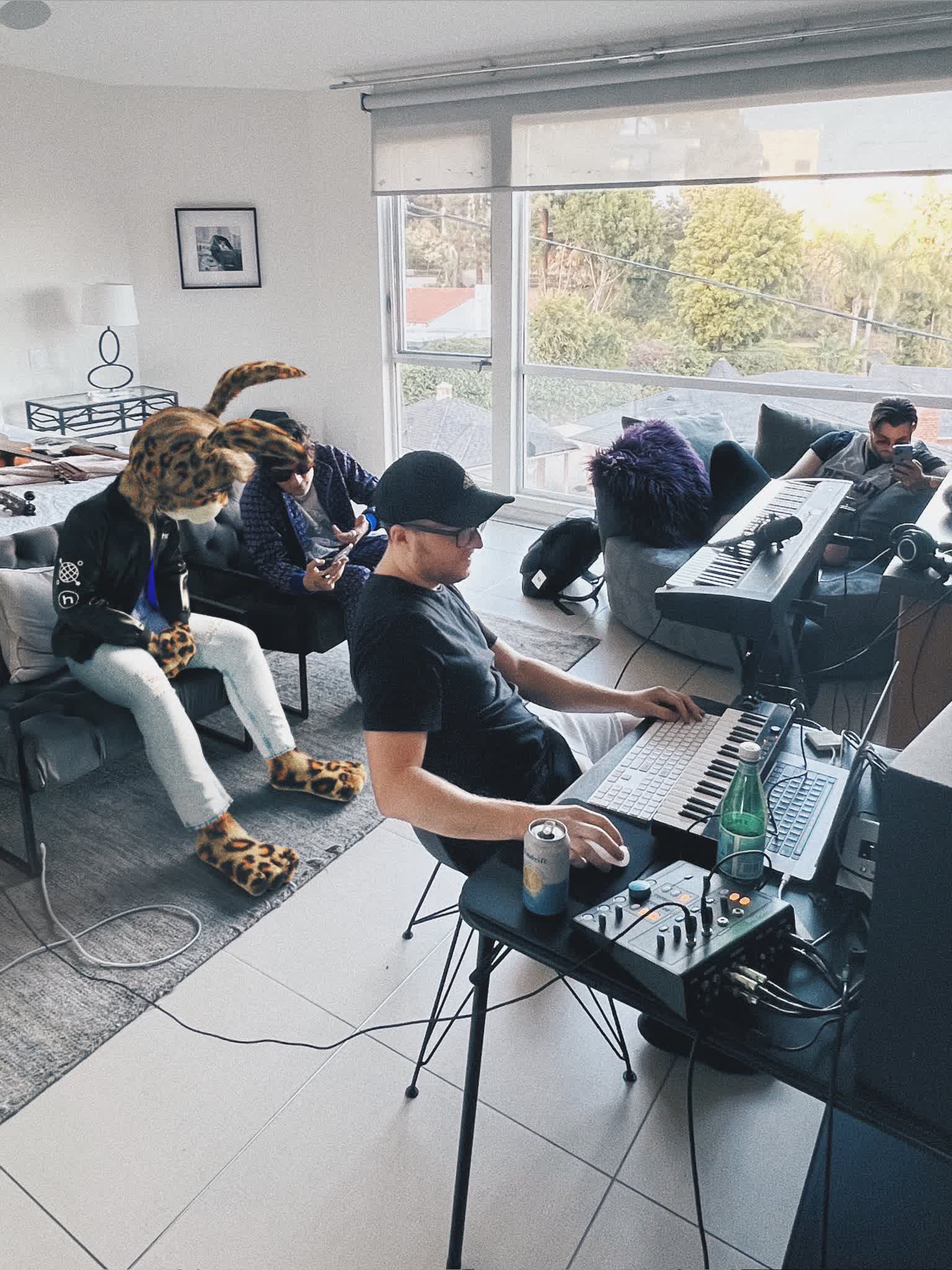
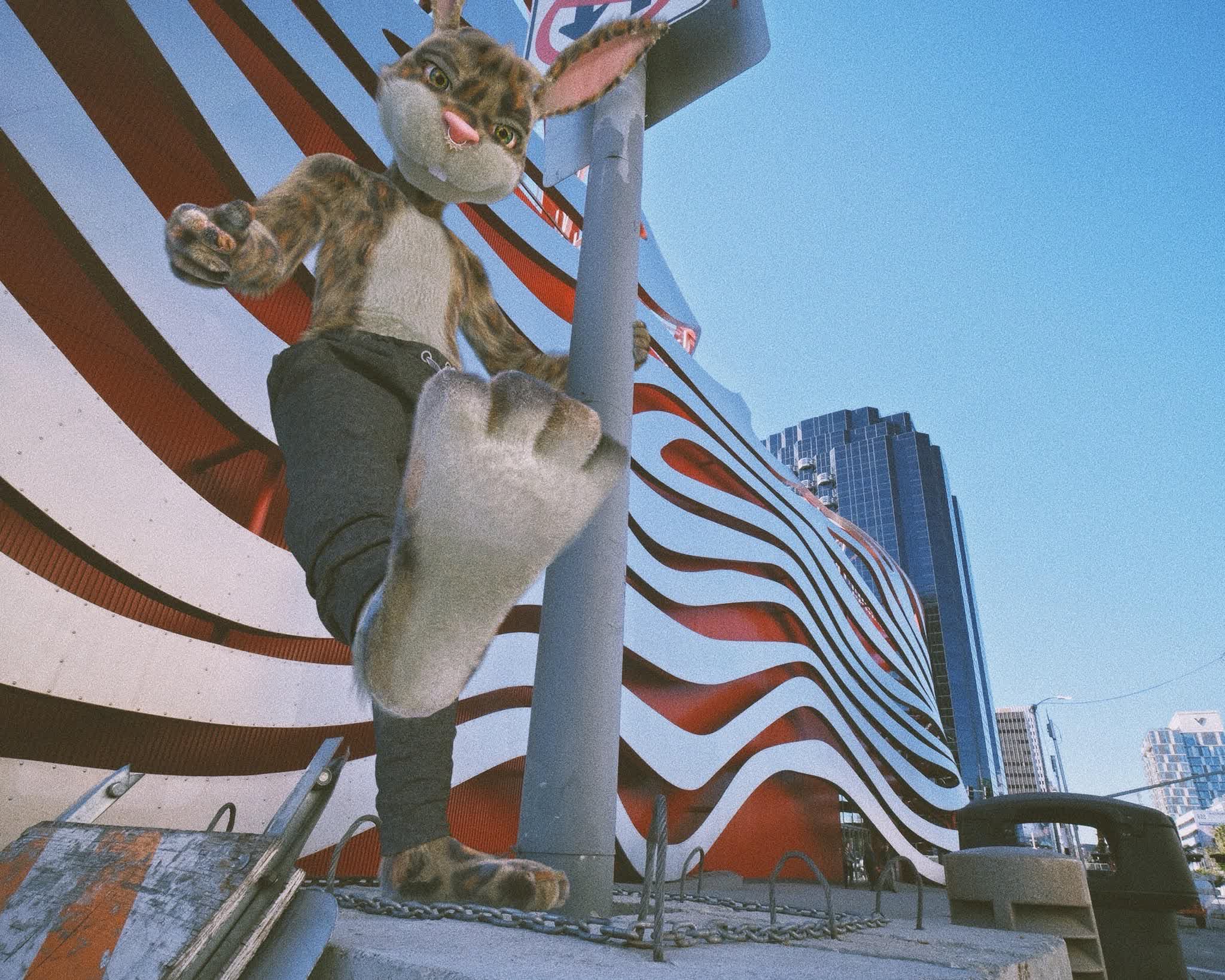
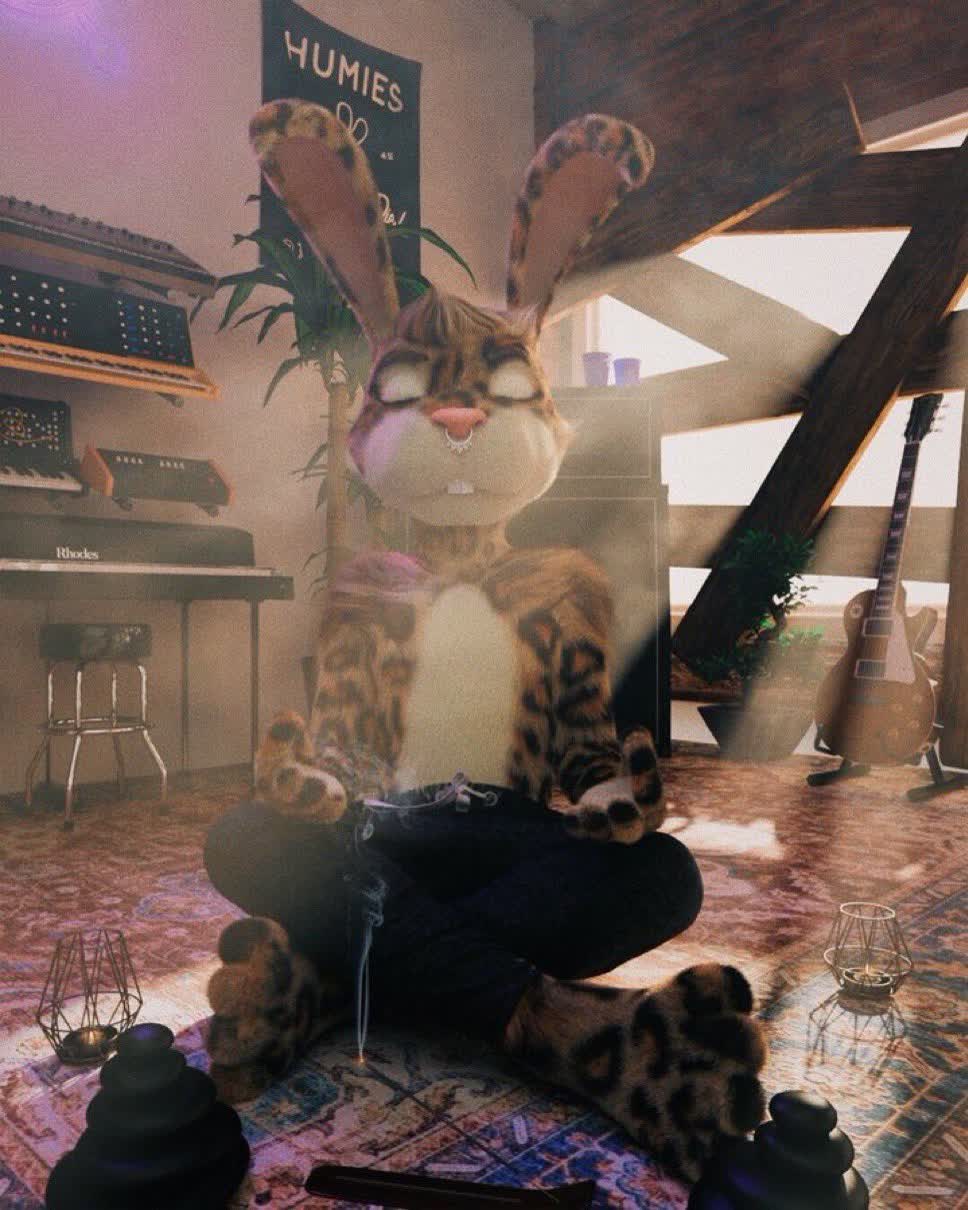
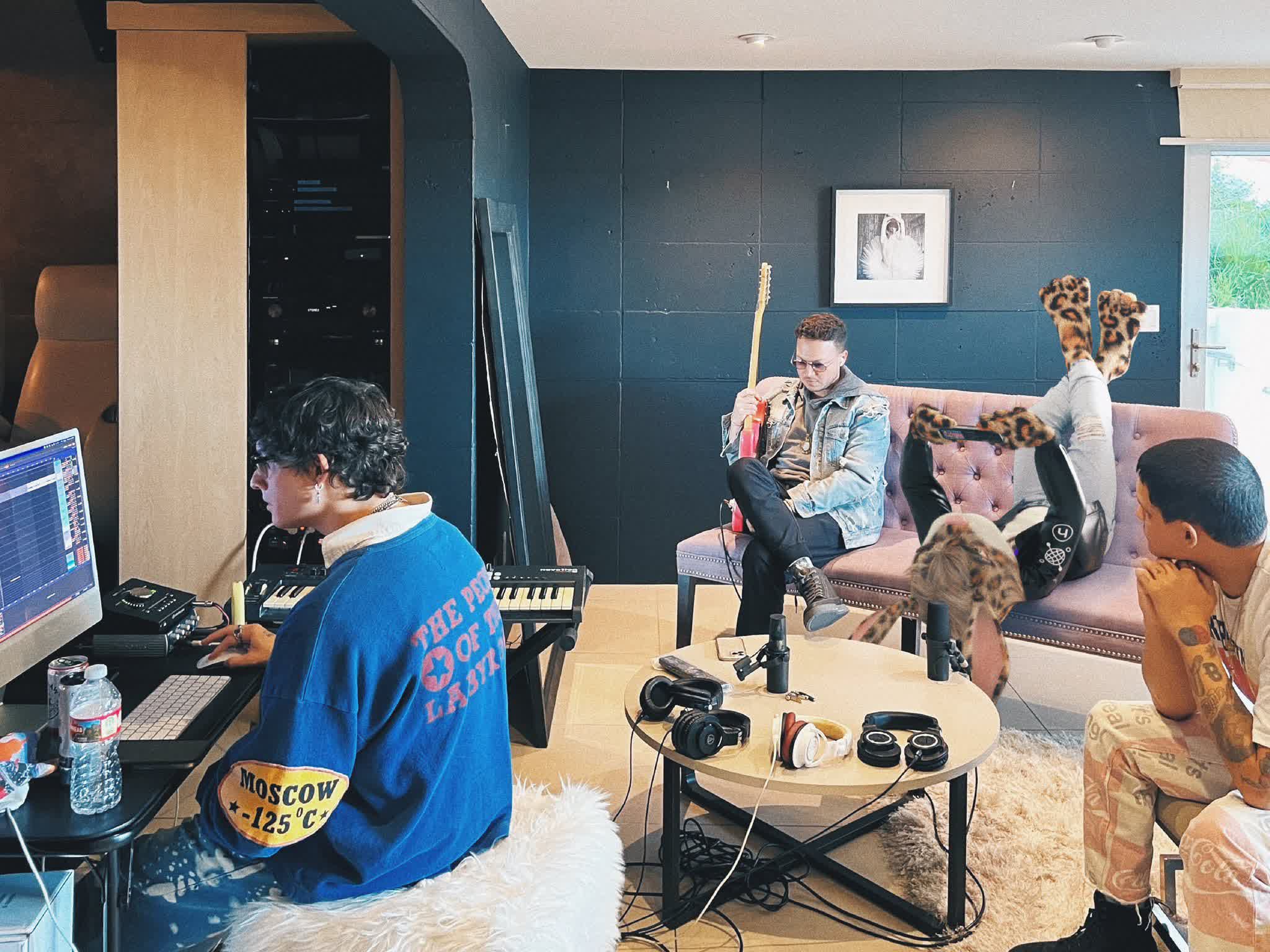
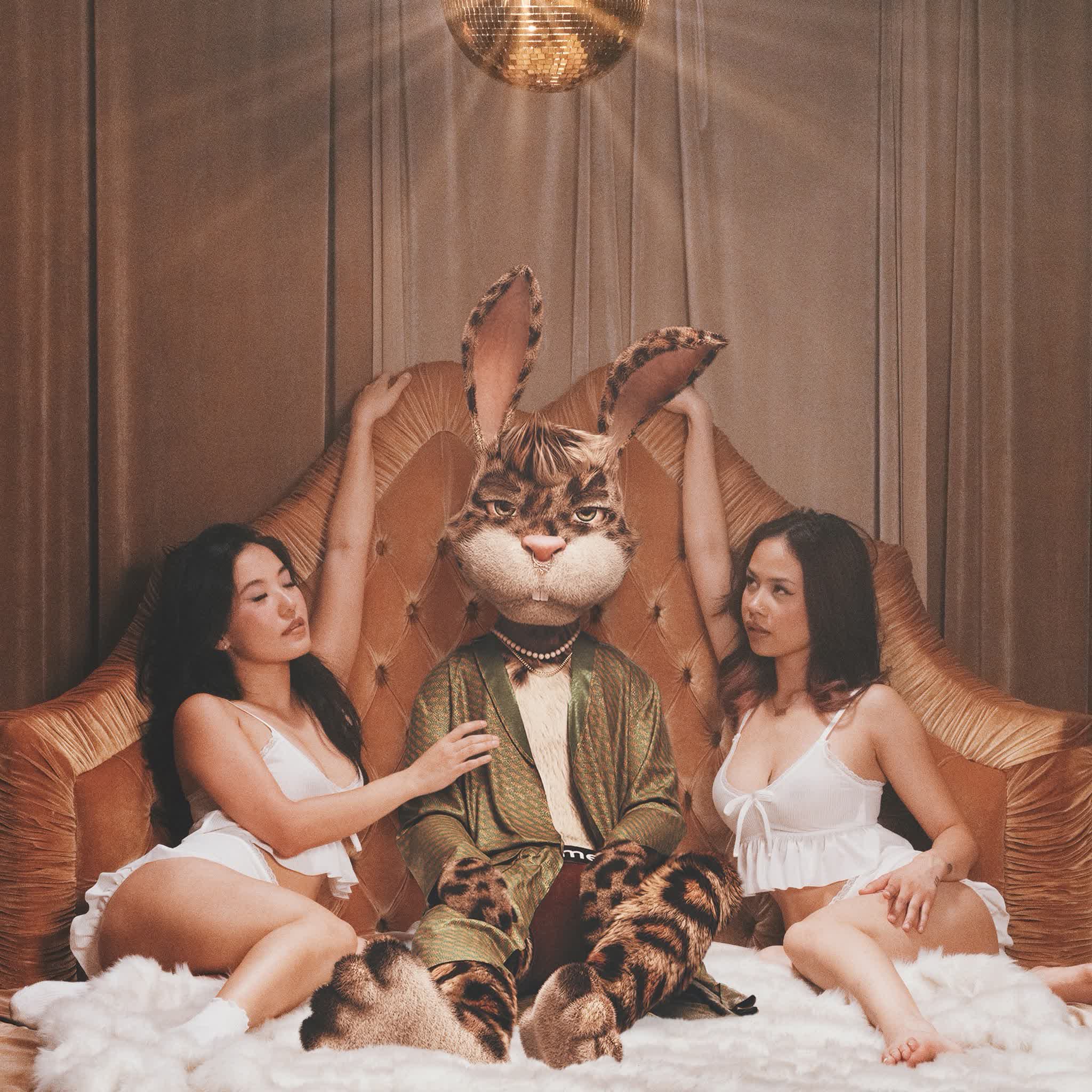
For the 9DCC collaboration, Angelbaby was adapted into a focused campaign context, combining the character's identity with brand-driven visual direction. The goal was to create polished social imagery that felt connected to both the Hume universe and the 9DCC aesthetic.
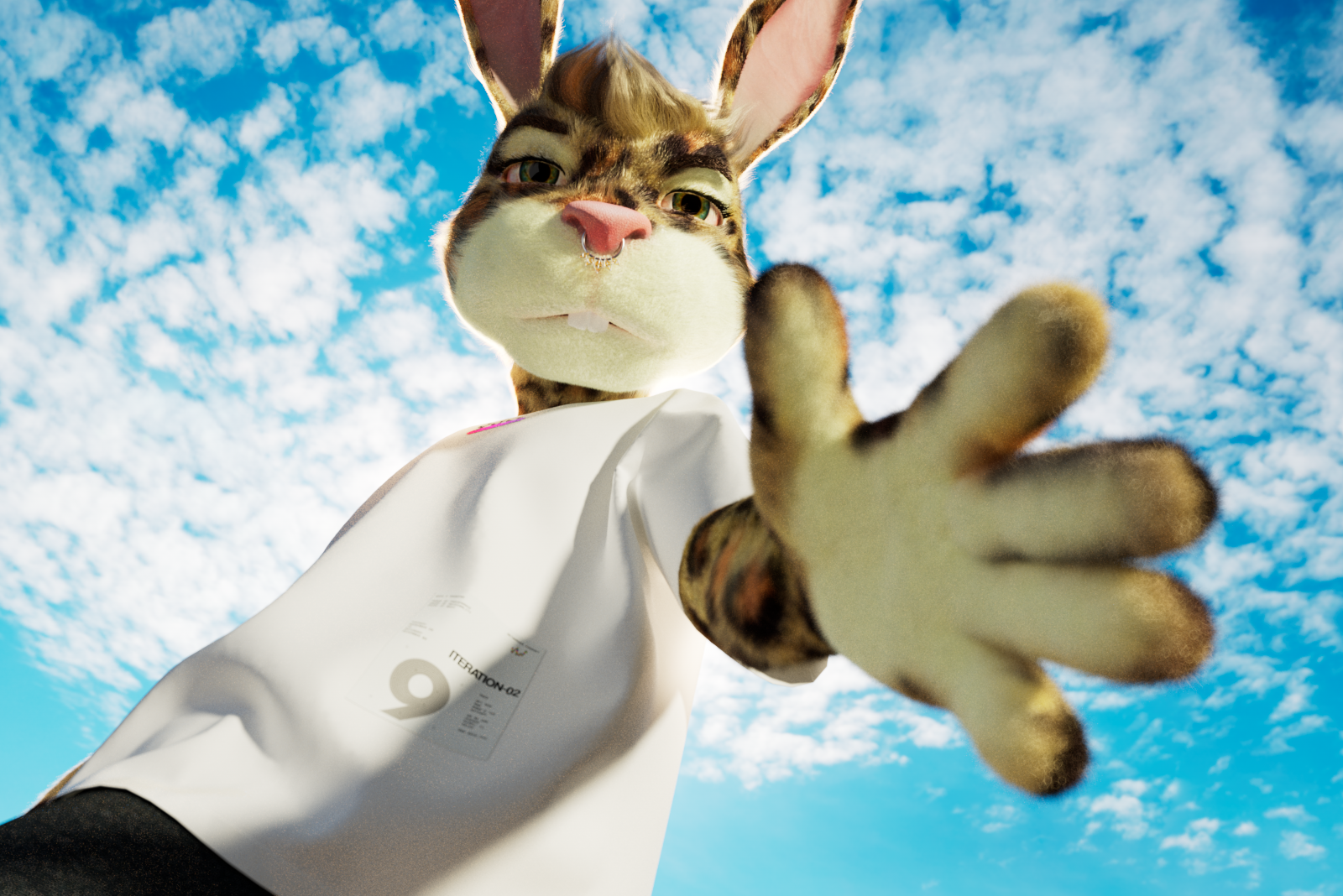
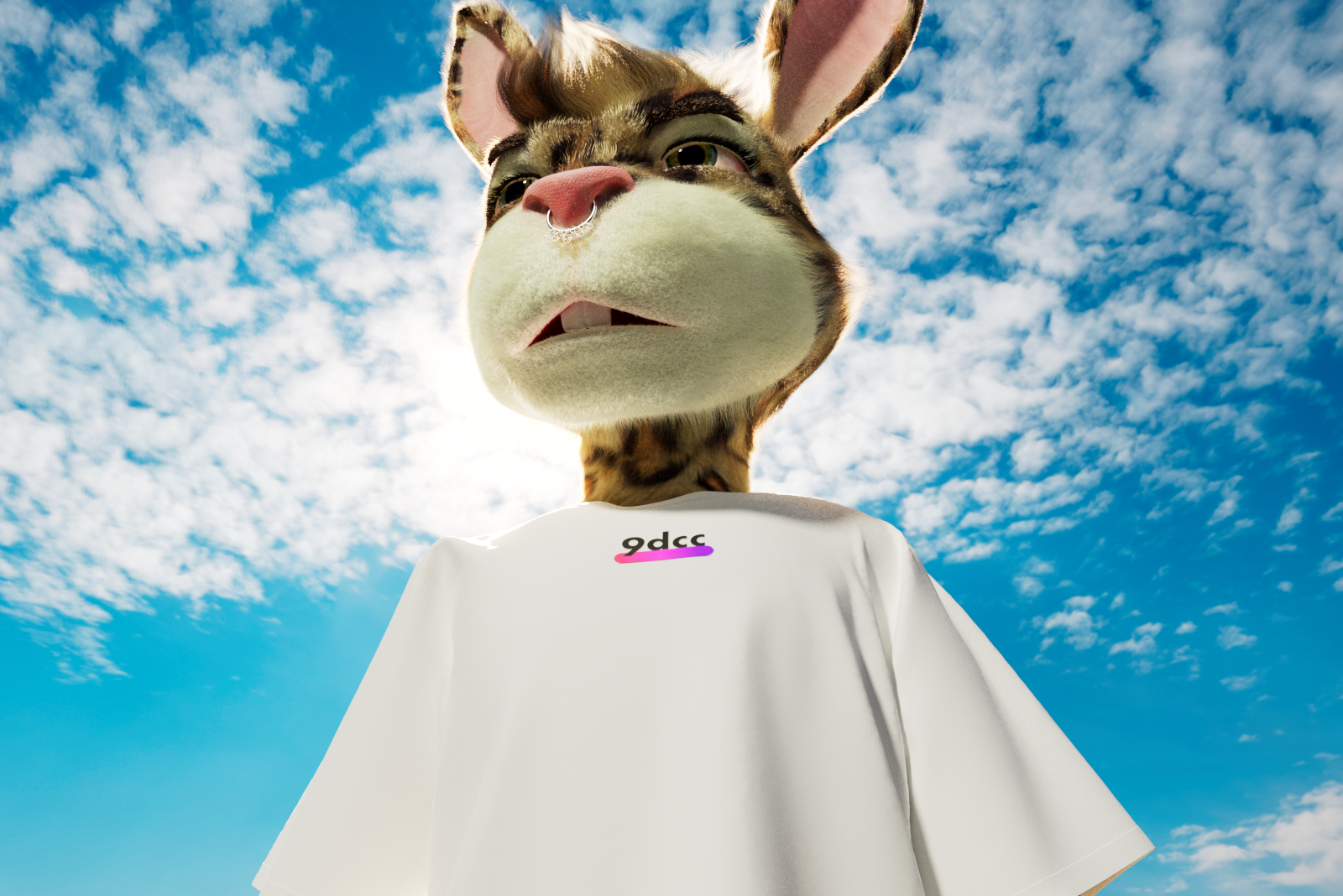
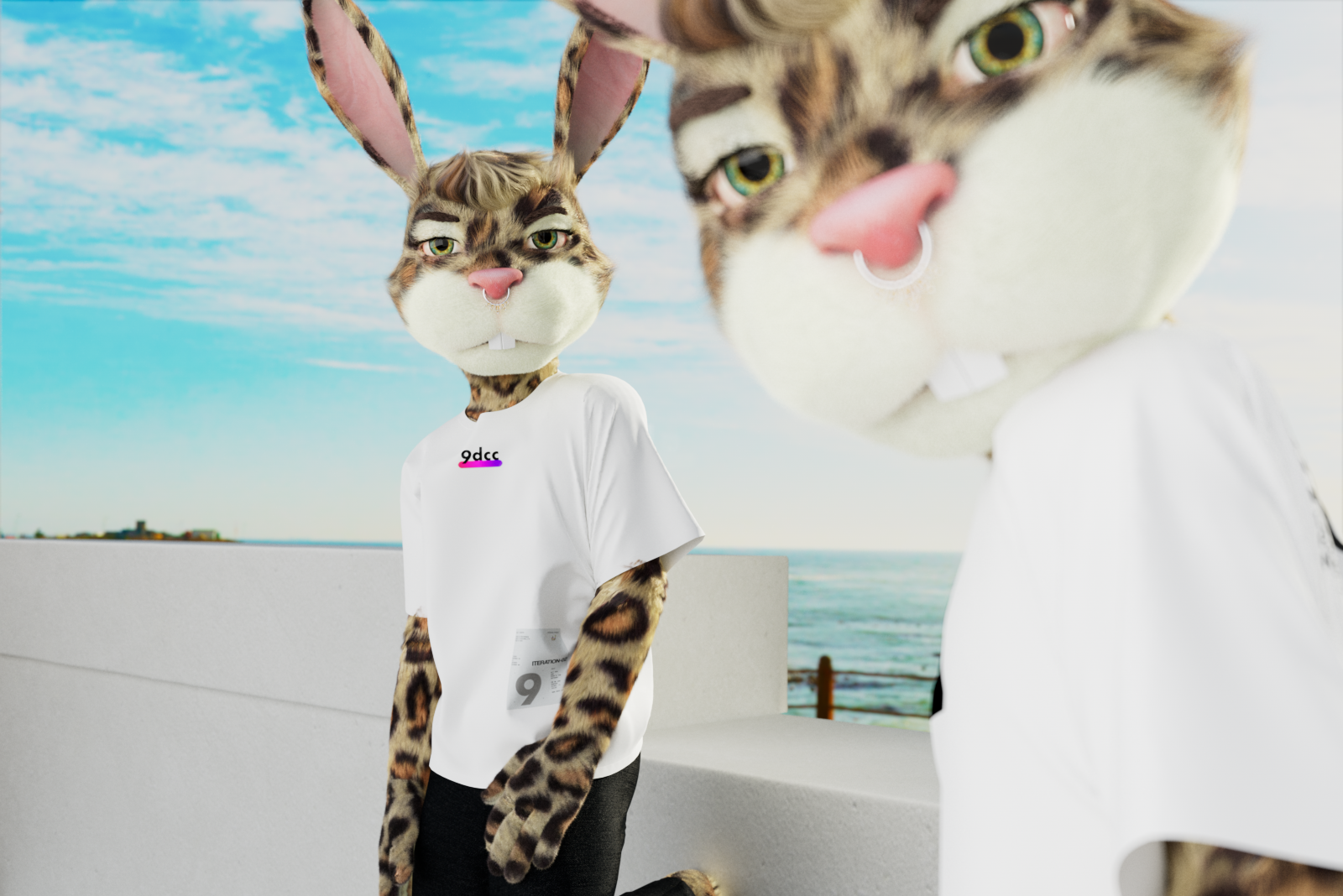
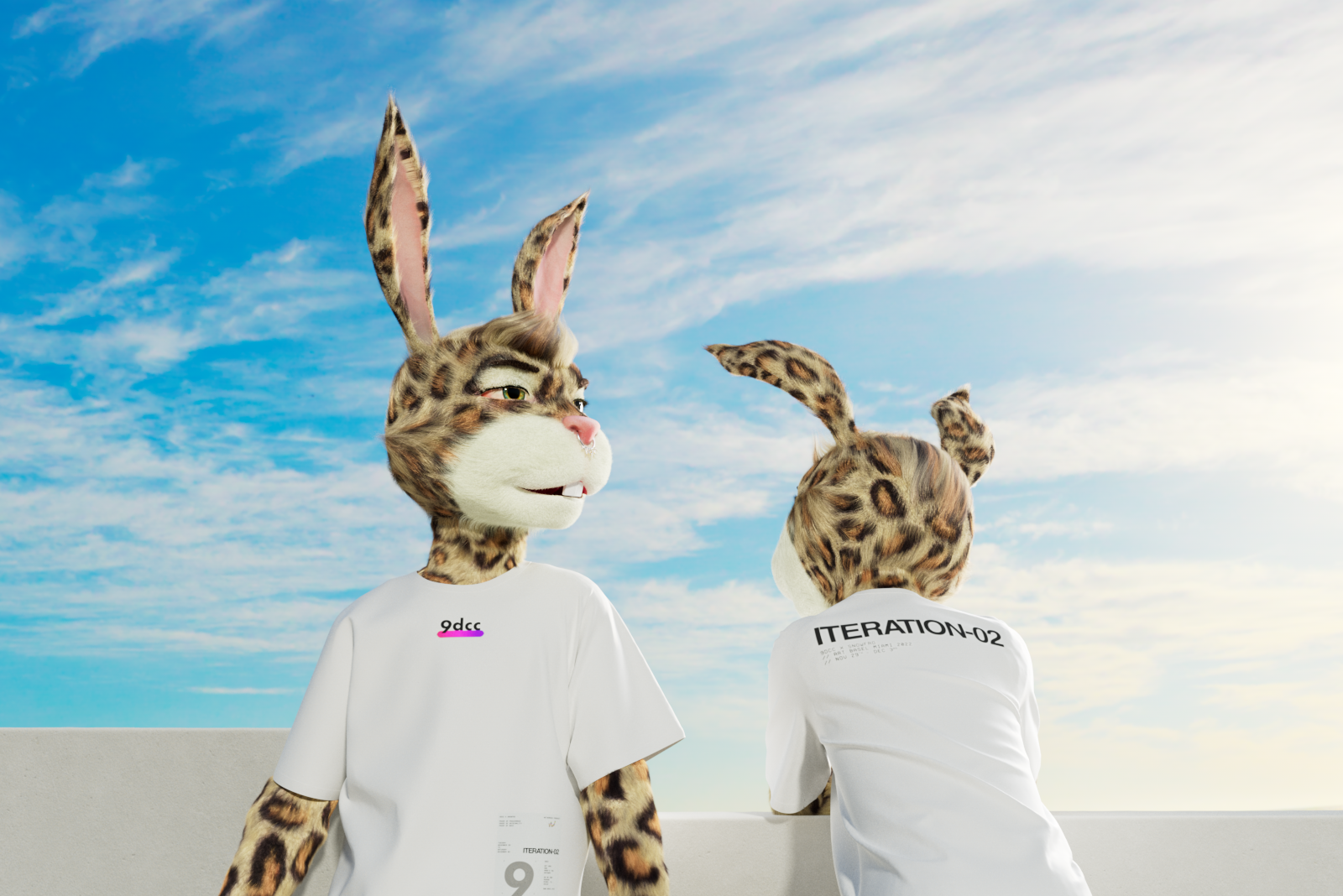
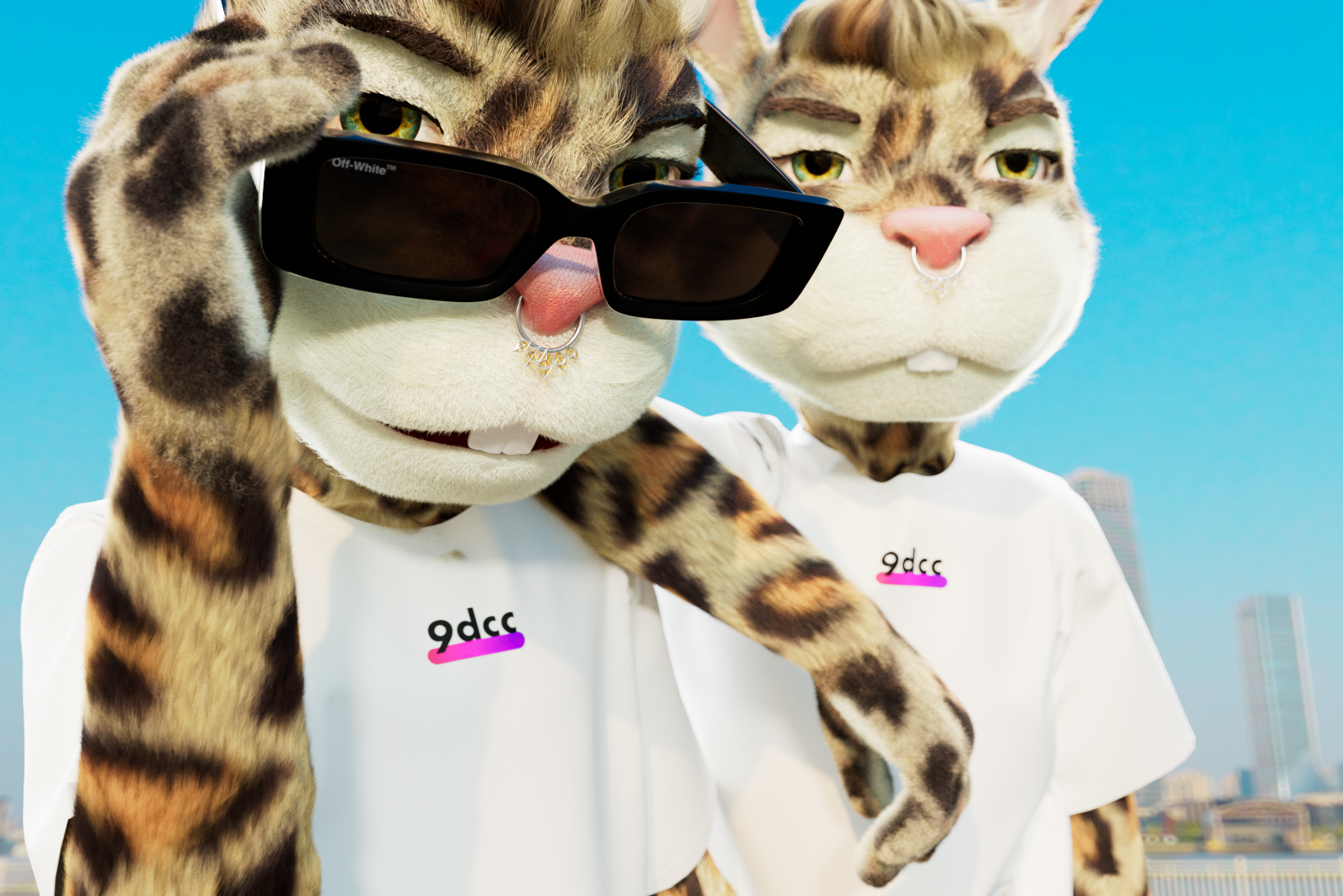
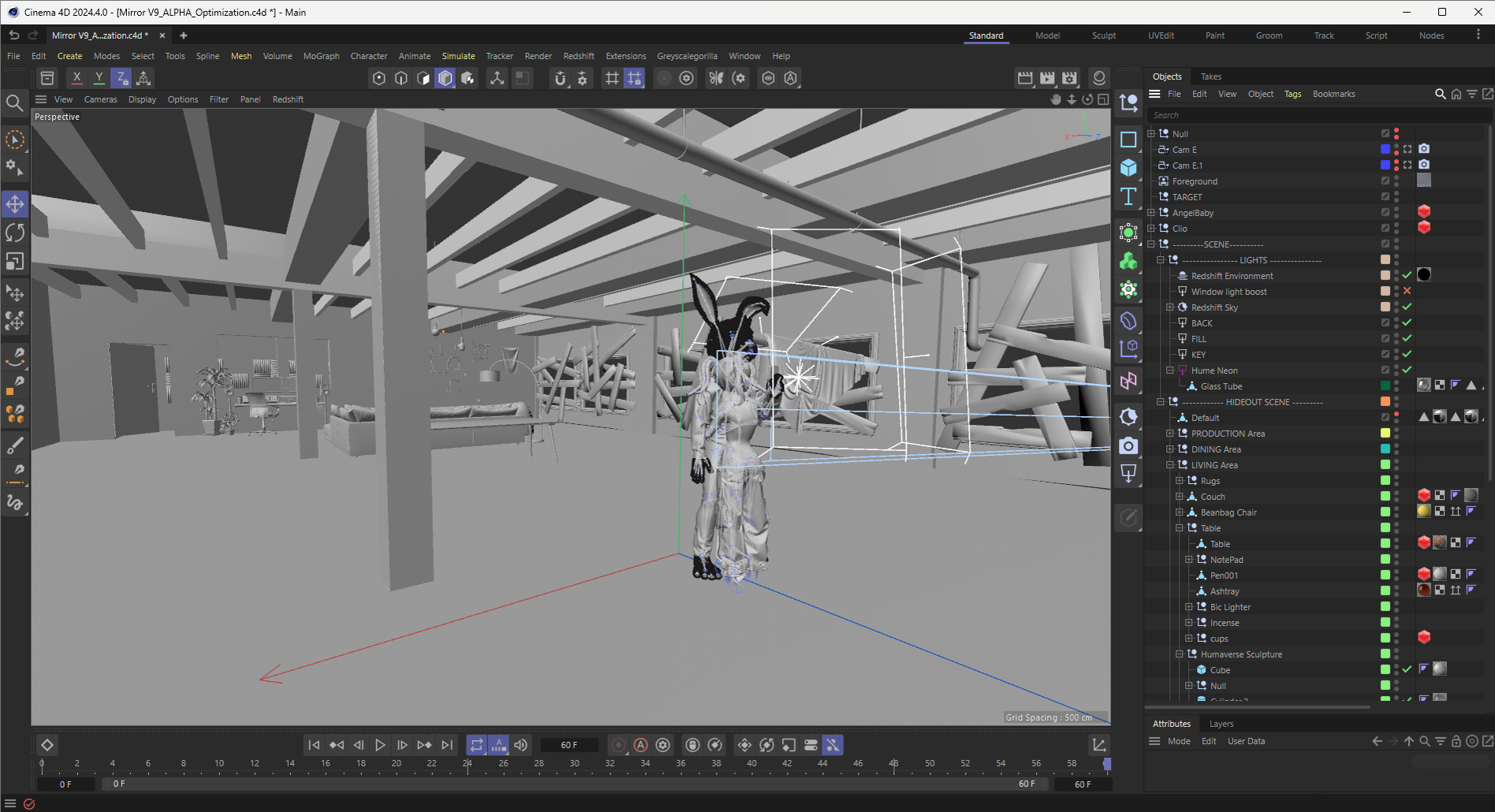
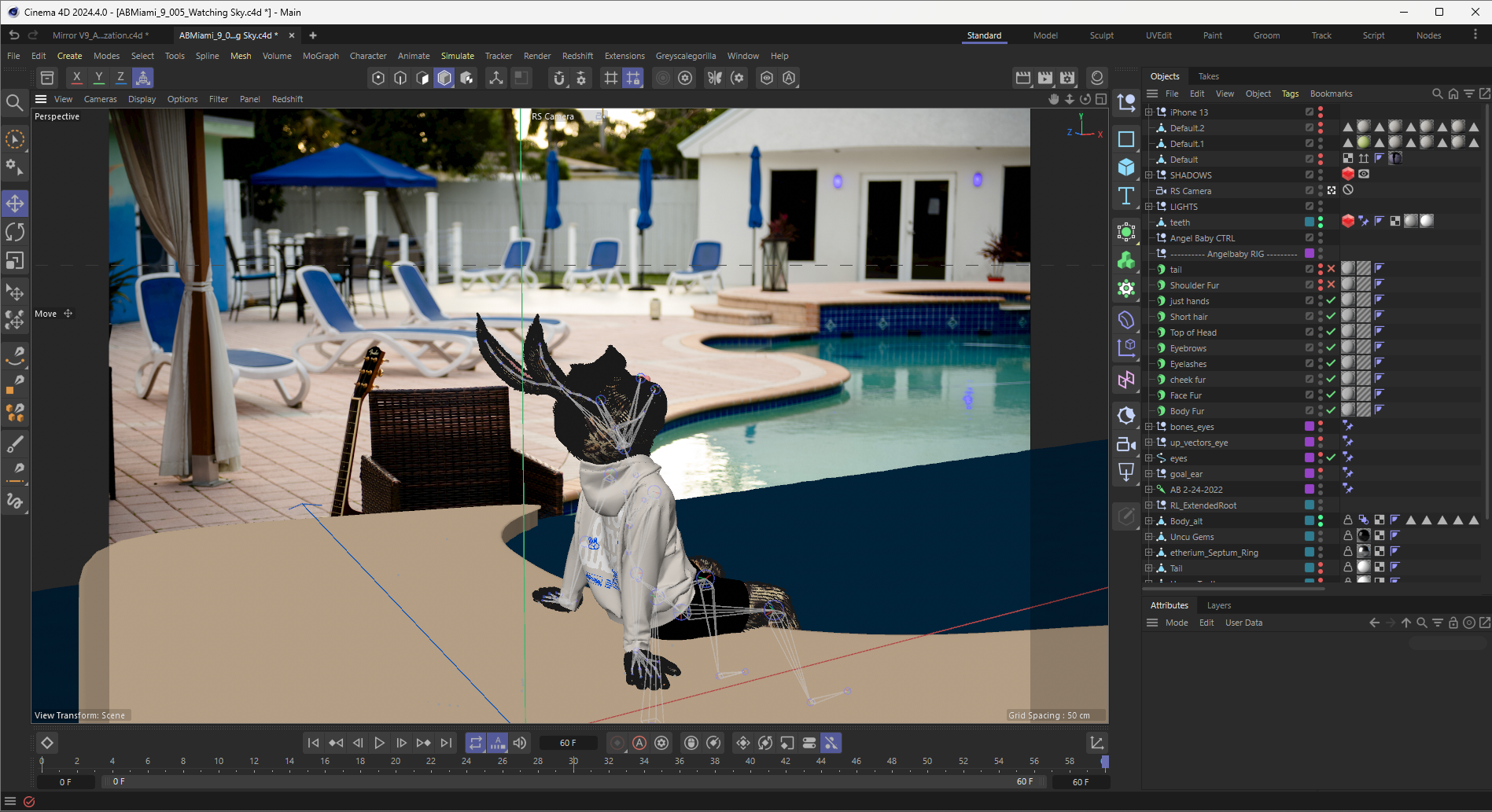
For selected visuals, the image was built from a full or partially reconstructed Cinema 4D scene. Existing environments could be adapted, or new scenes created, so Angelbaby could be placed into a controlled setup with matching lighting, composition, scale, and render direction.
This workflow started from a real photo or footage reference, then matched Angelbaby to the camera angle and intended pose. The process included building shadow-catching geometry, simulating clothing through Marvelous Designer, grooming and brushing the fur for a cleaner finish, rendering the character, then polishing the final composite in Photoshop.
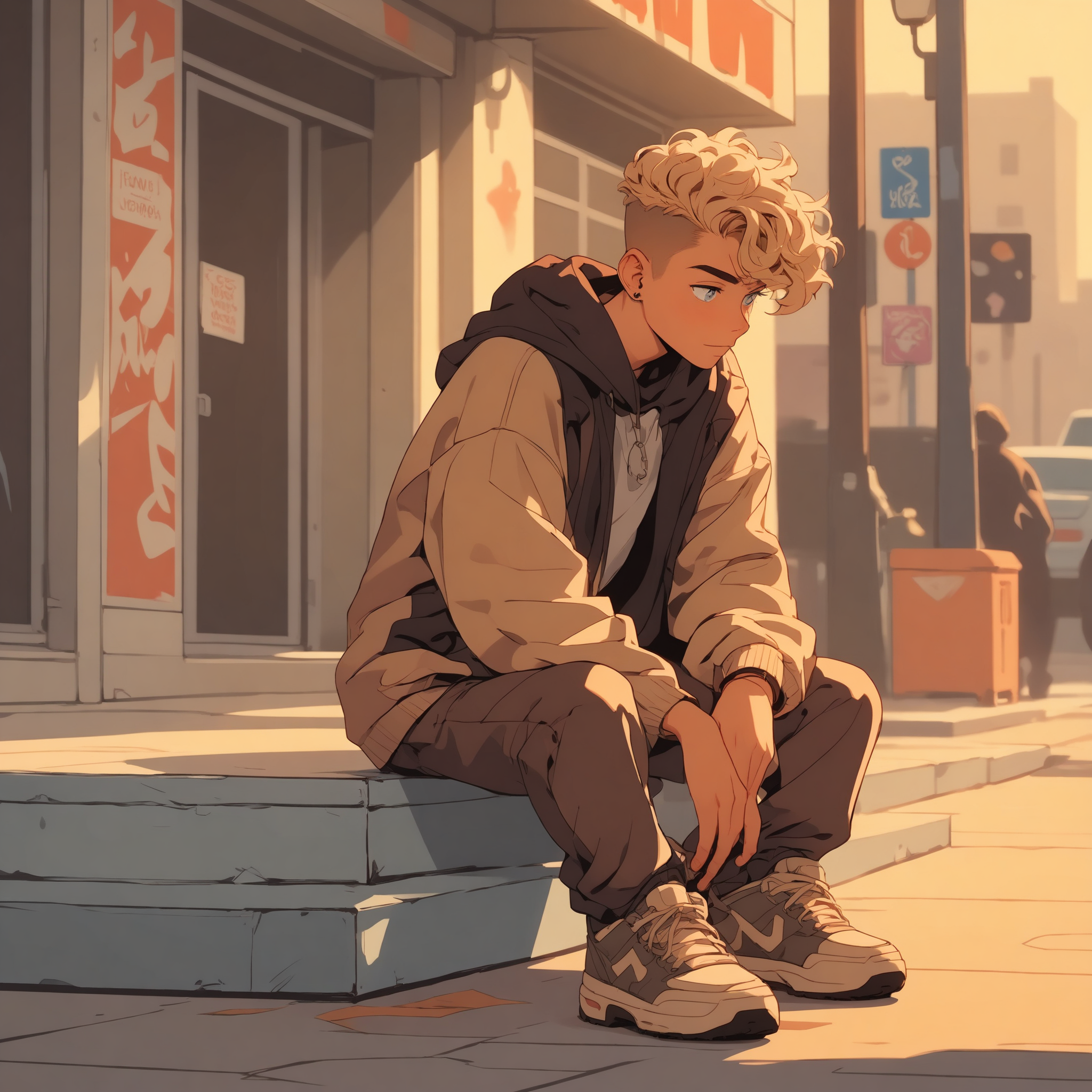
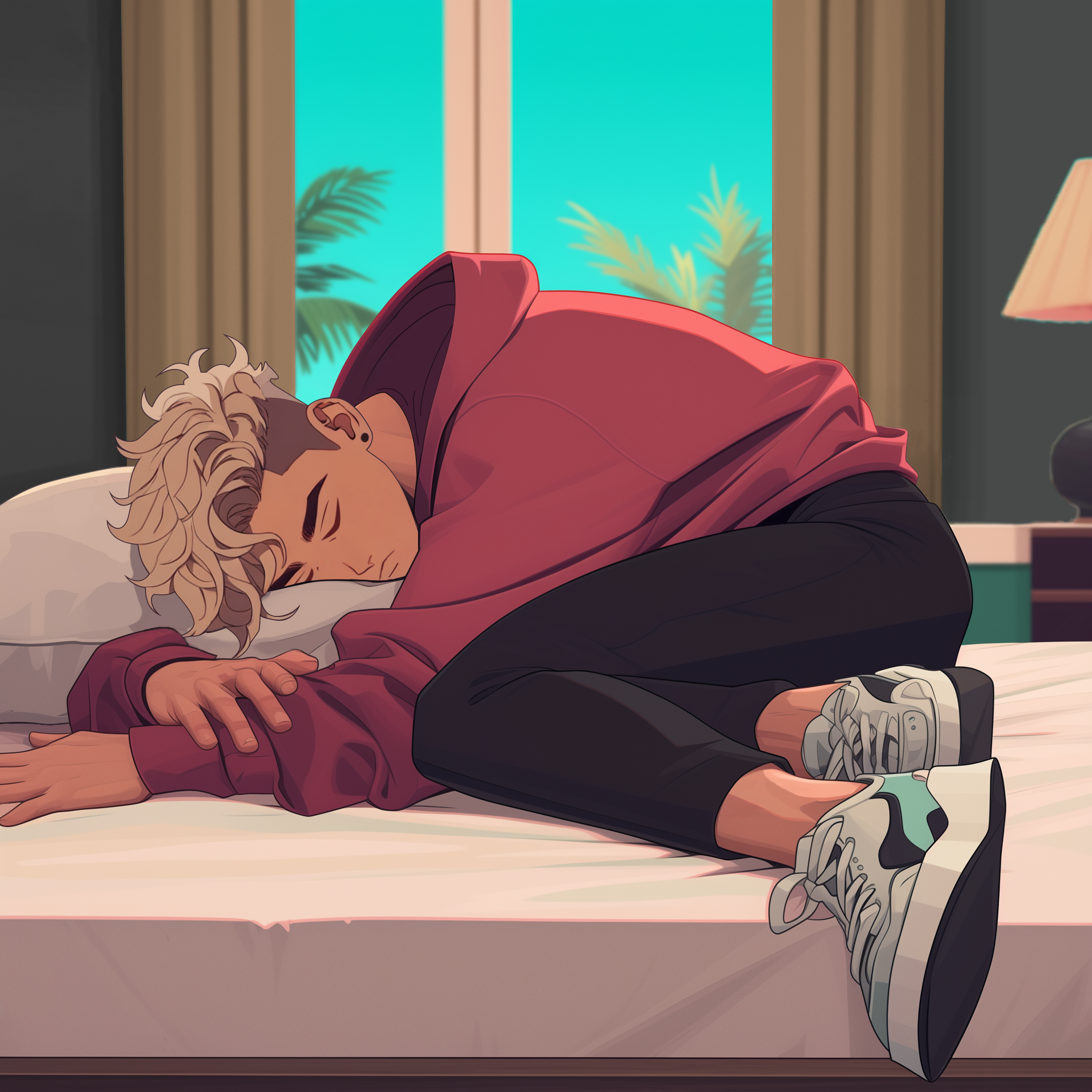
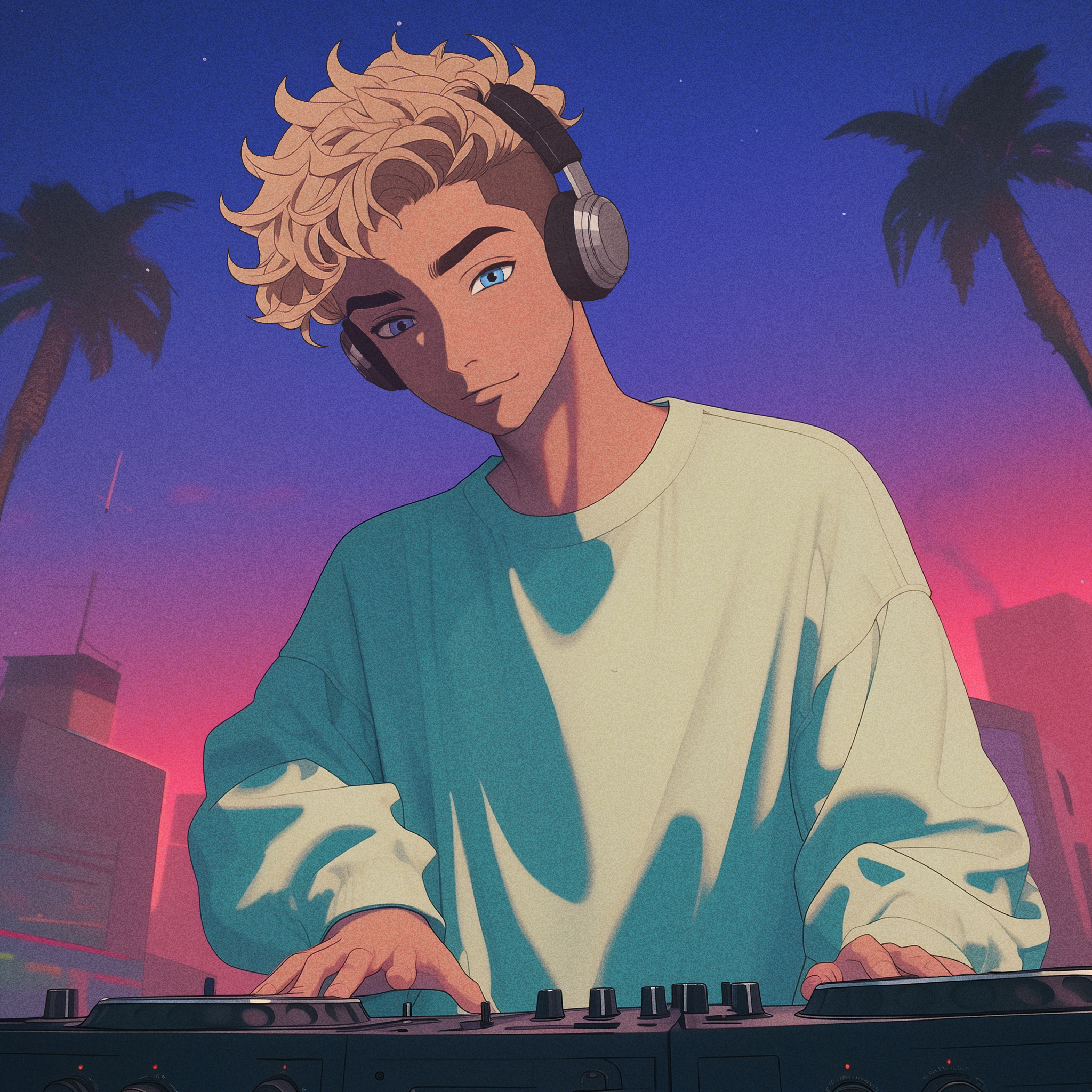
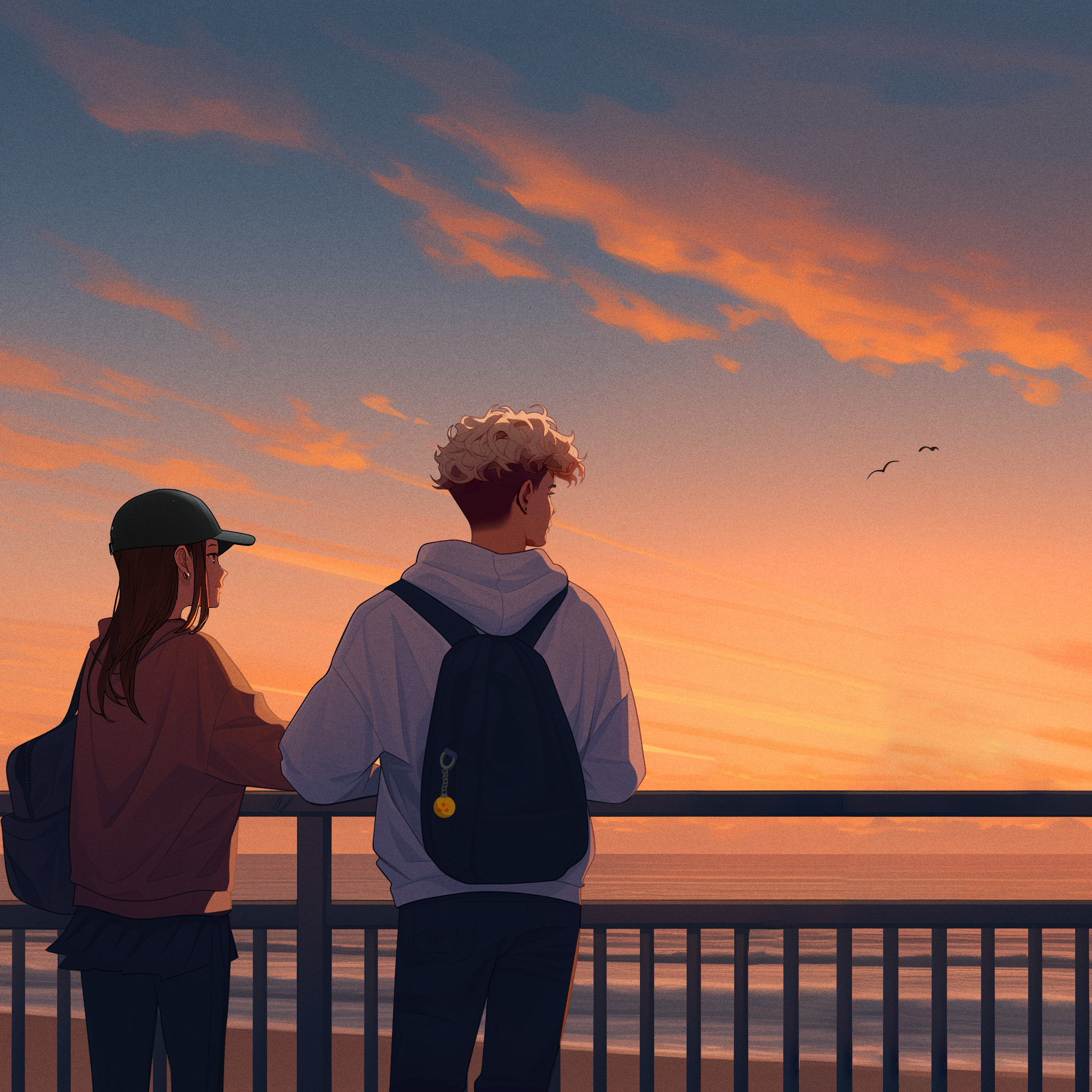
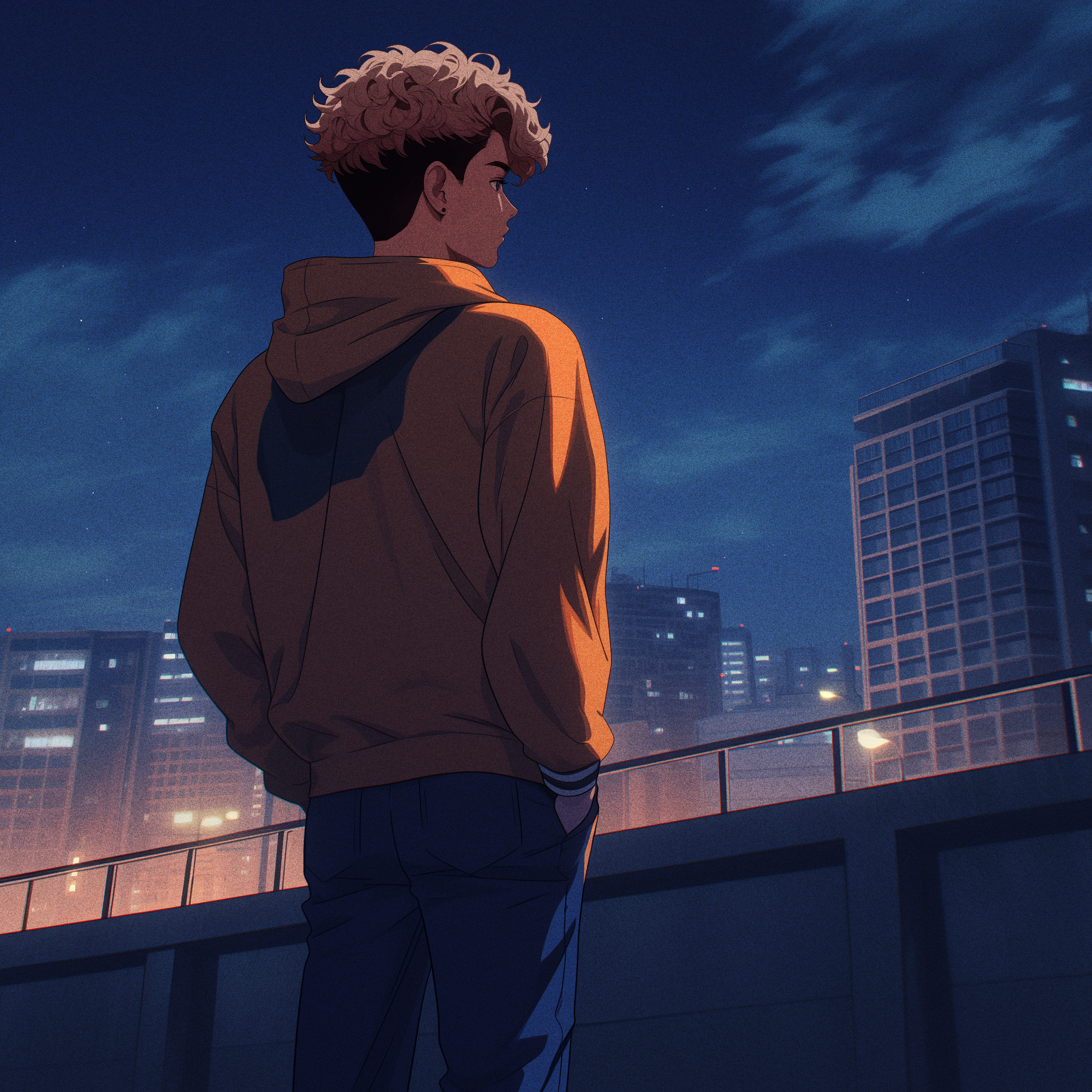
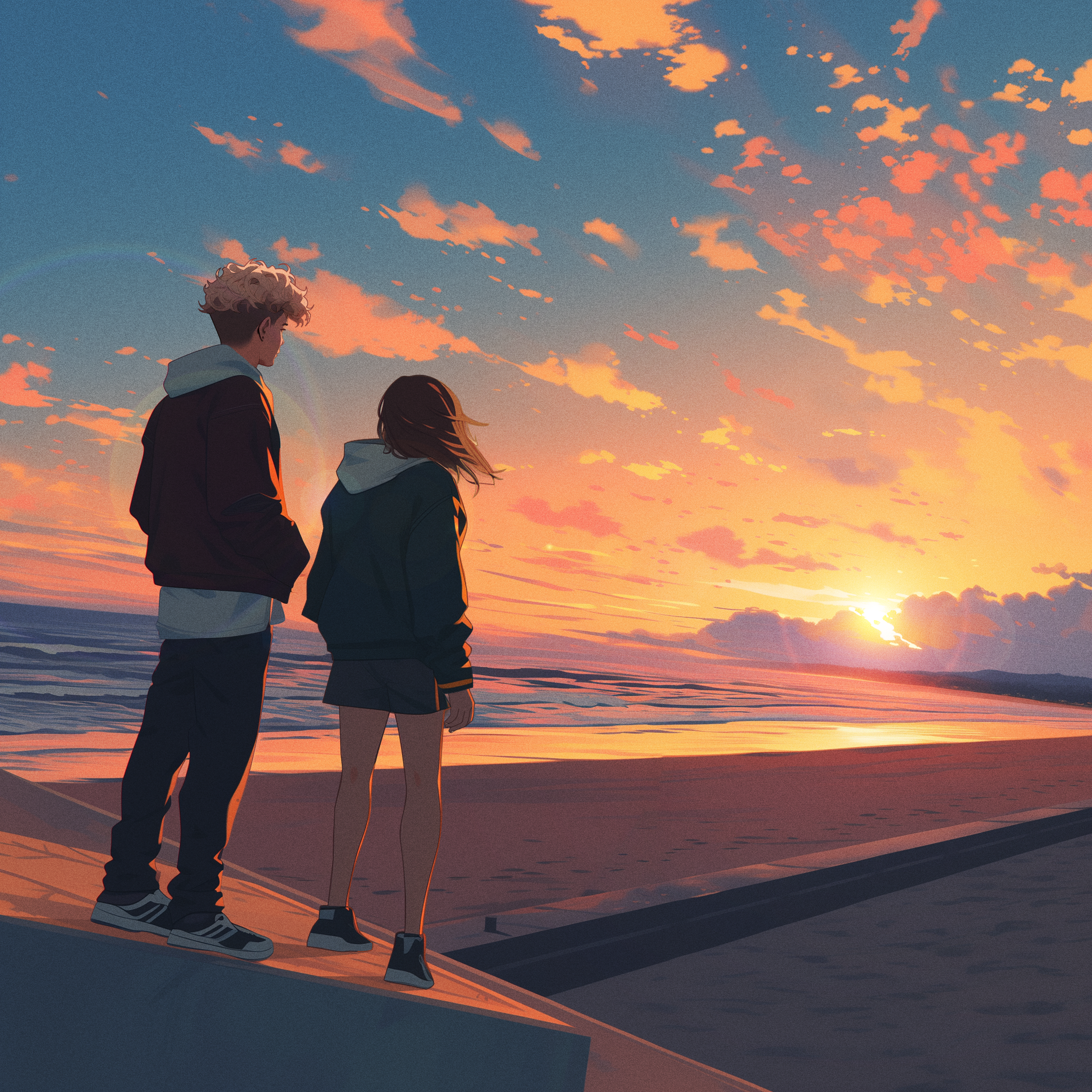
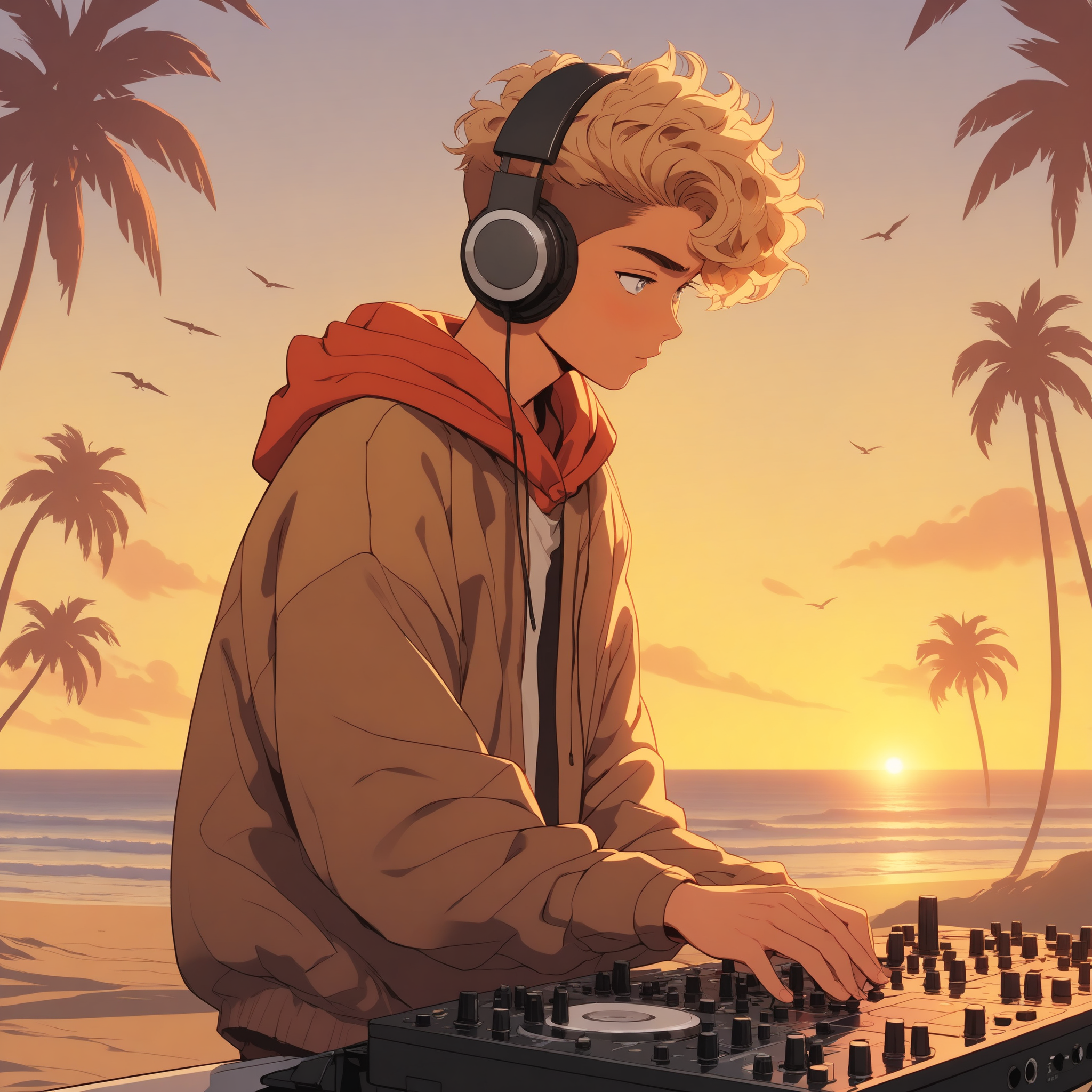
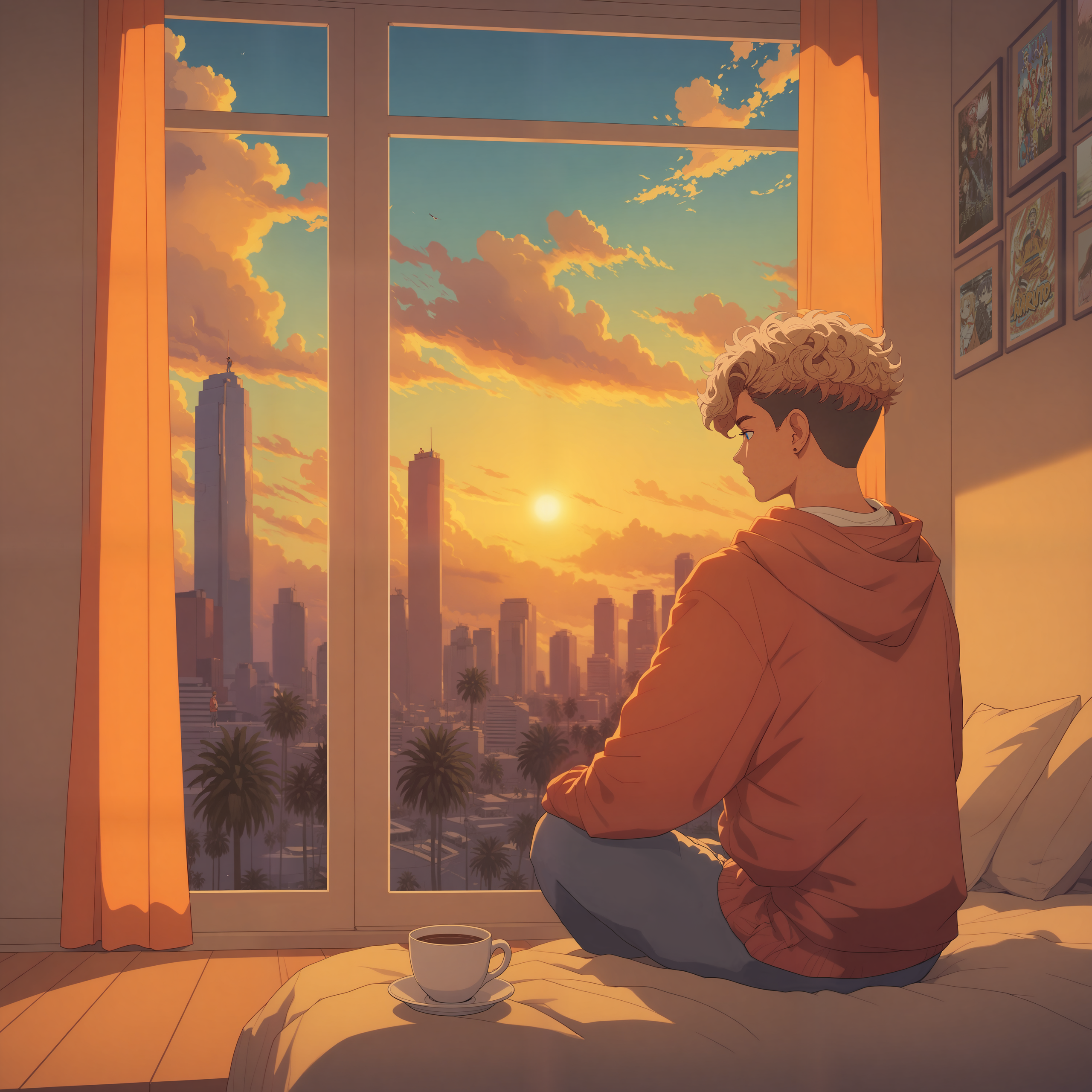
Kai.wav was developed through a hybrid Midjourney, Photoshop, and Stable Diffusion LoRA pipeline. The process used Midjourney for strong composition, lighting, and image direction, then brought the result back into a more controlled character-consistency workflow.
For each visual, a Kai face angle was generated with the custom LoRA, then composited over the Midjourney base in Photoshop. The final stage focused on cleanup, artifact correction, detail integration, and adding extra visual elements so the image felt intentional rather than purely generated.
A selection of final Kai.wav images created for artist content and social storytelling. The visuals balance Midjourney's strong cinematic image language with a custom LoRA pass to preserve the character's face, attitude, and identity across multiple scenes.
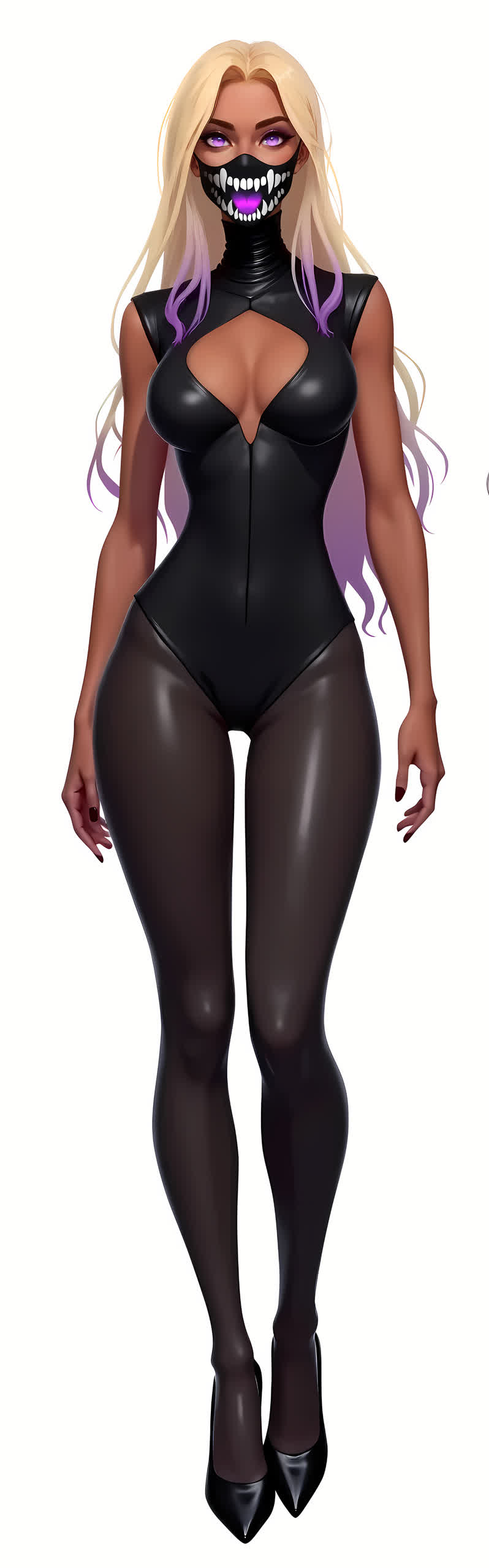
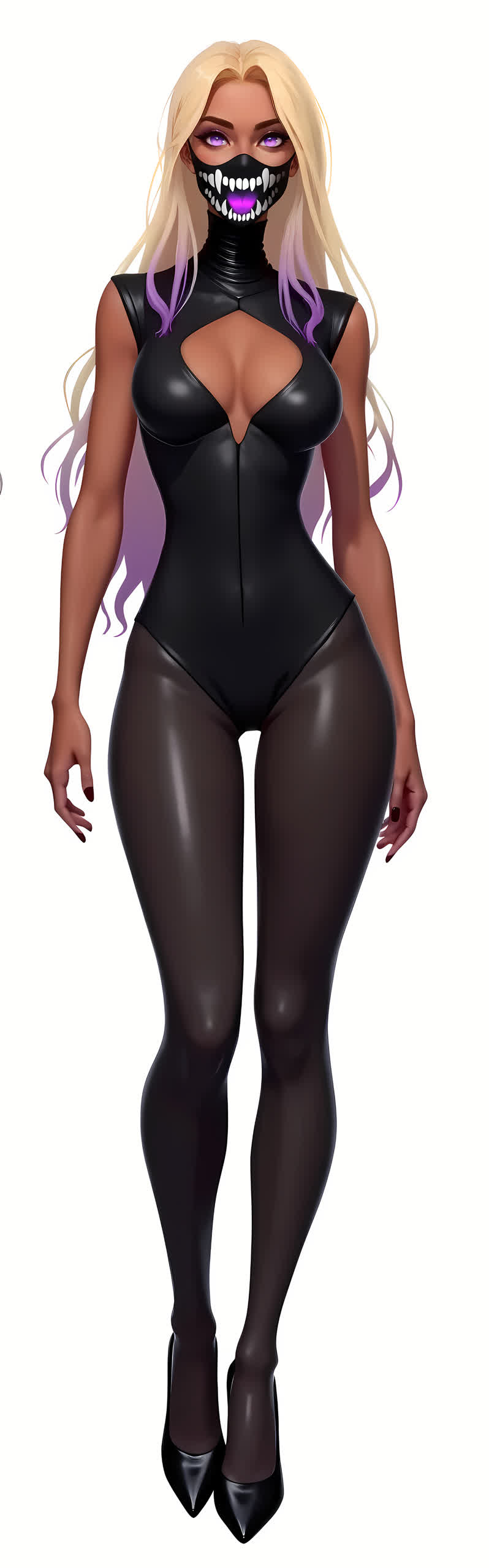
Problema was built through a full ComfyUI pipeline focused on character consistency, image generation, animation, and final visual treatment. The workflow began with a custom LoRA trained around the artist's look, allowing the character to stay recognizable across different generated outputs.
From there, Stable Diffusion image generation inside ComfyUI was used to create custom Problema visuals. Those images were then animated with open-source video models, before receiving additional ComfyUI-based visual effects to push the final mood, motion, and artist-specific finish.
Eight final video outputs will showcase the complete Problema process, from character-consistent stills to animated visual pieces. The goal was to create content that felt stylized, repeatable, and production-ready while staying inside an open-source generative workflow.
The pipeline can be read in three key stages: preparing the LoRA dataset, generating a strong source image, then turning that image into a finished video asset. This breakdown will show the technical bridge between character training, image creation, and final motion output.
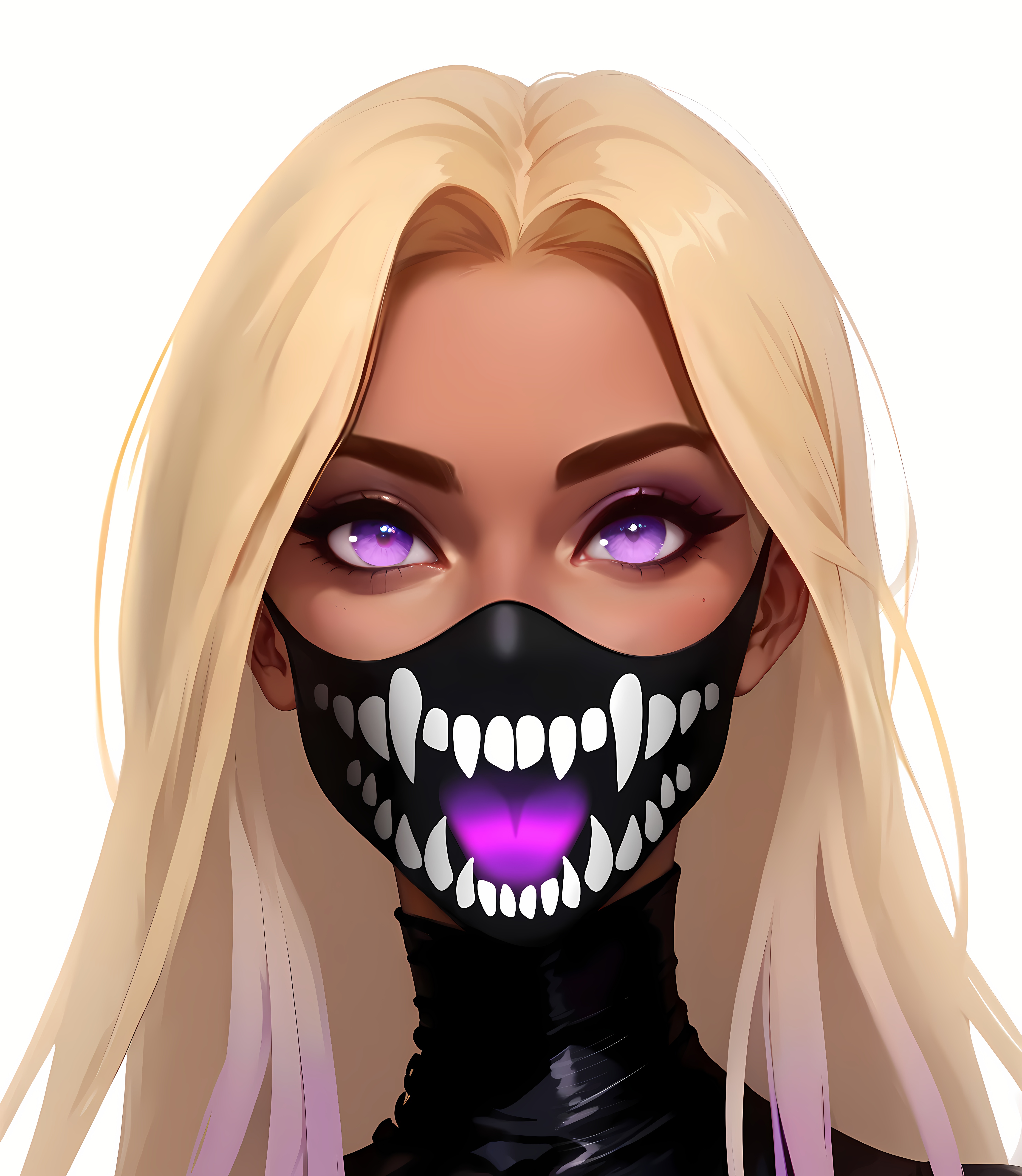
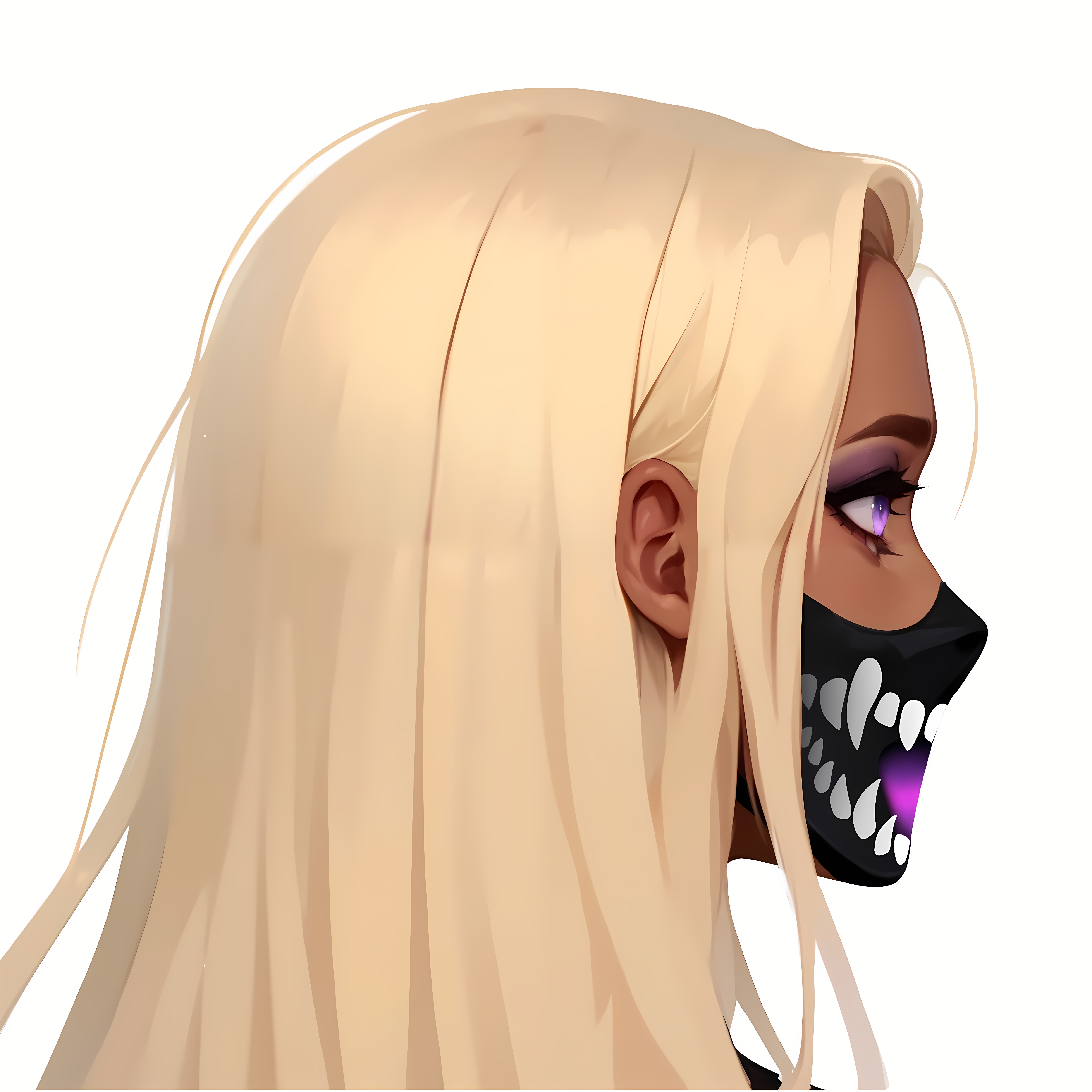
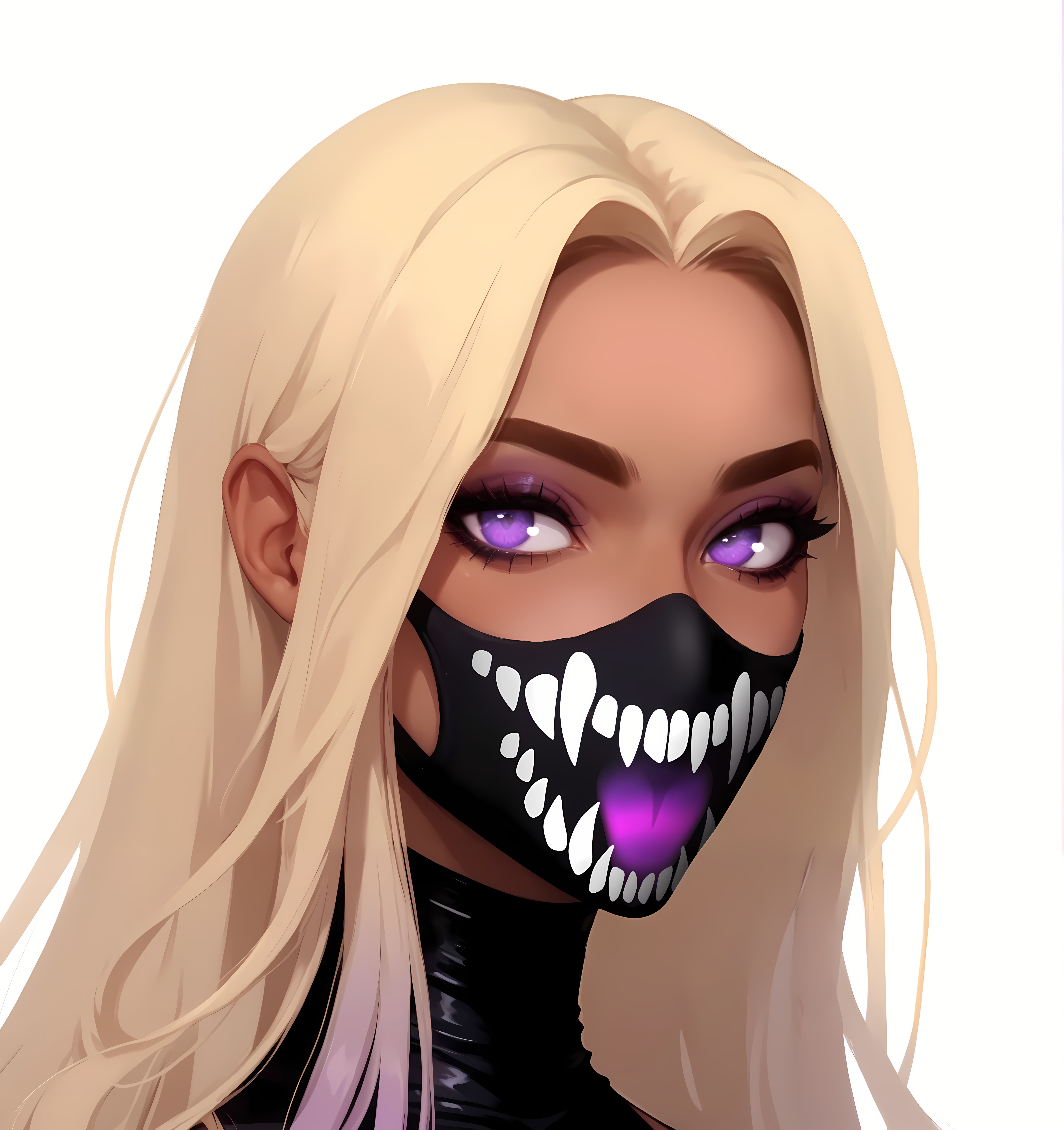
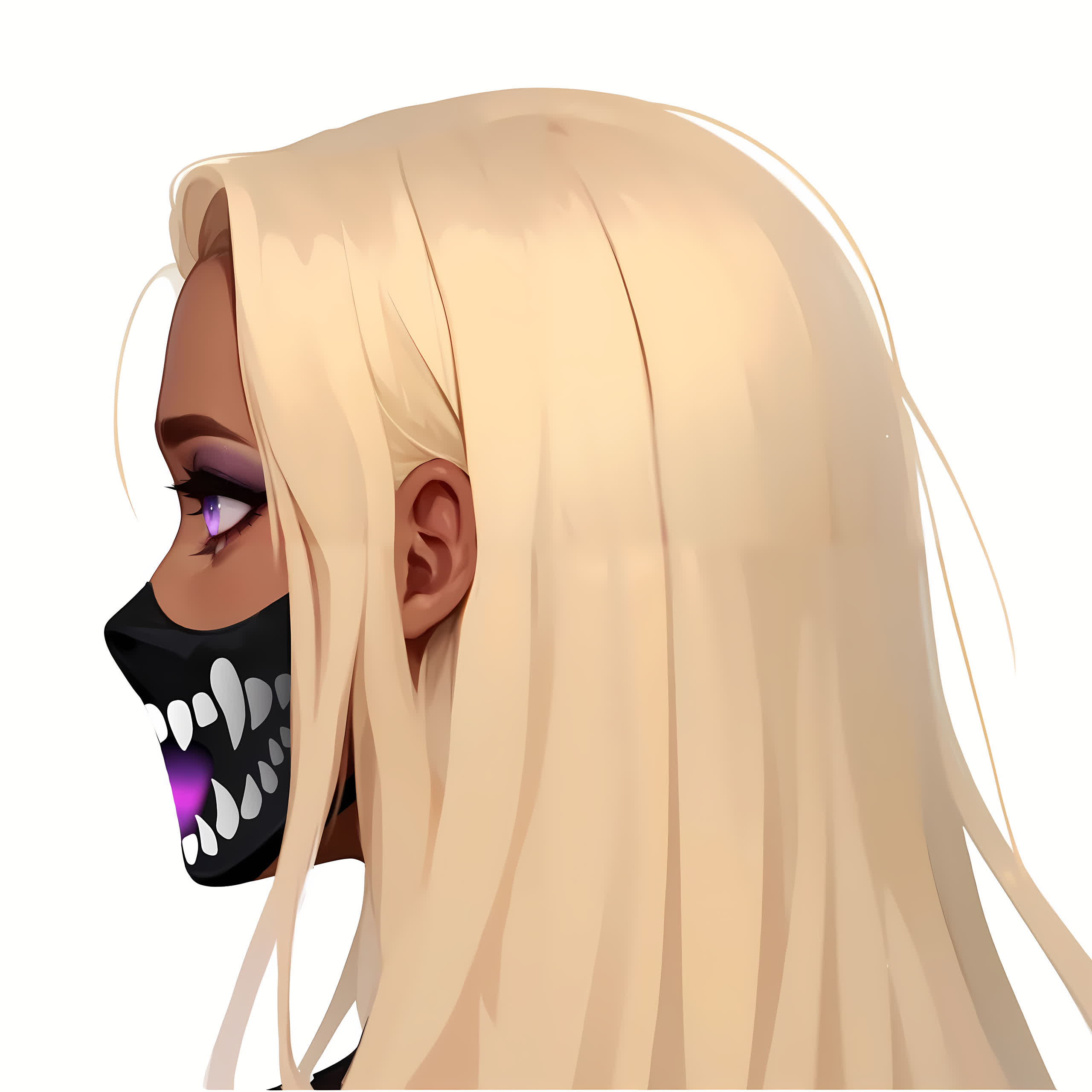
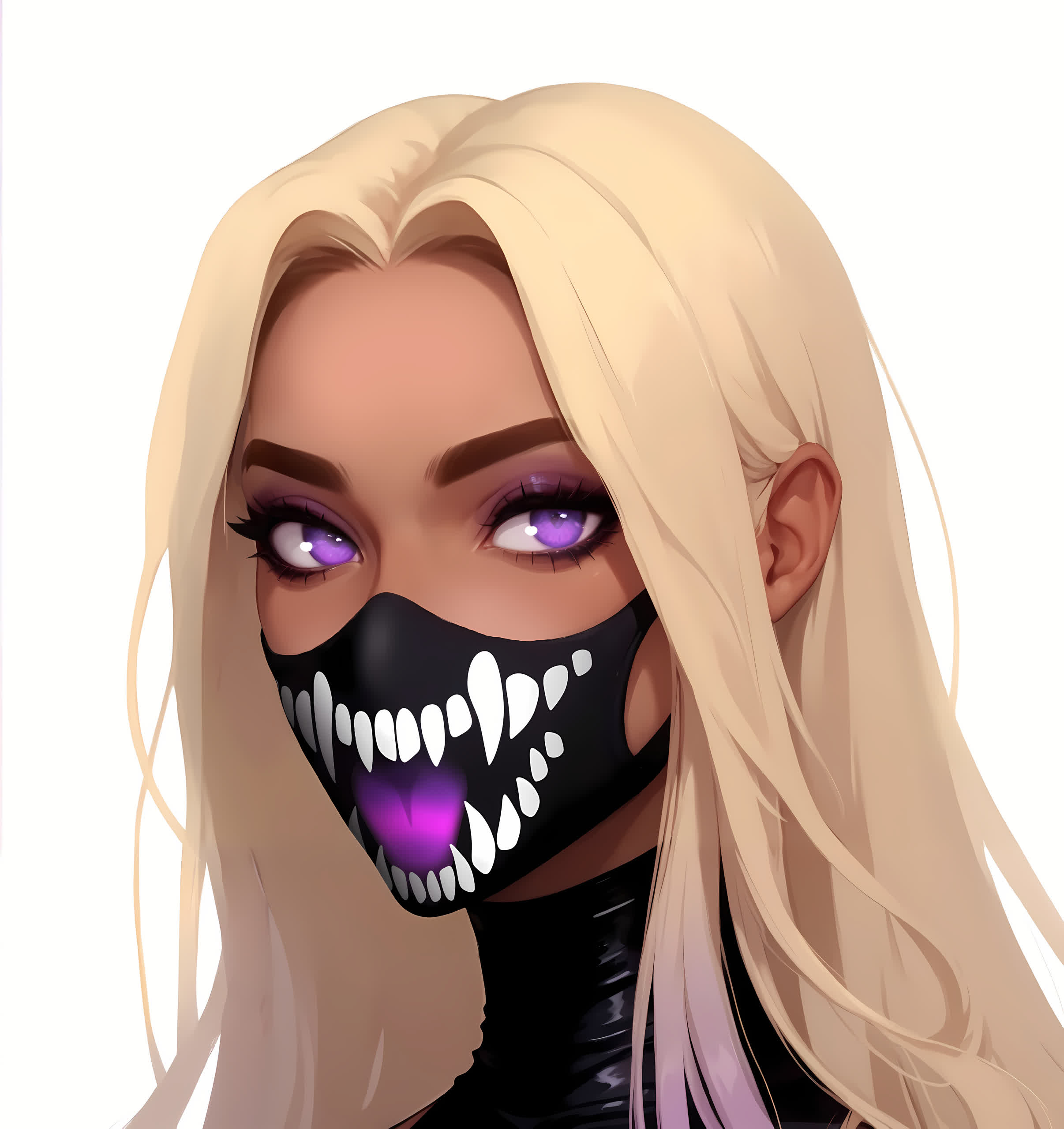
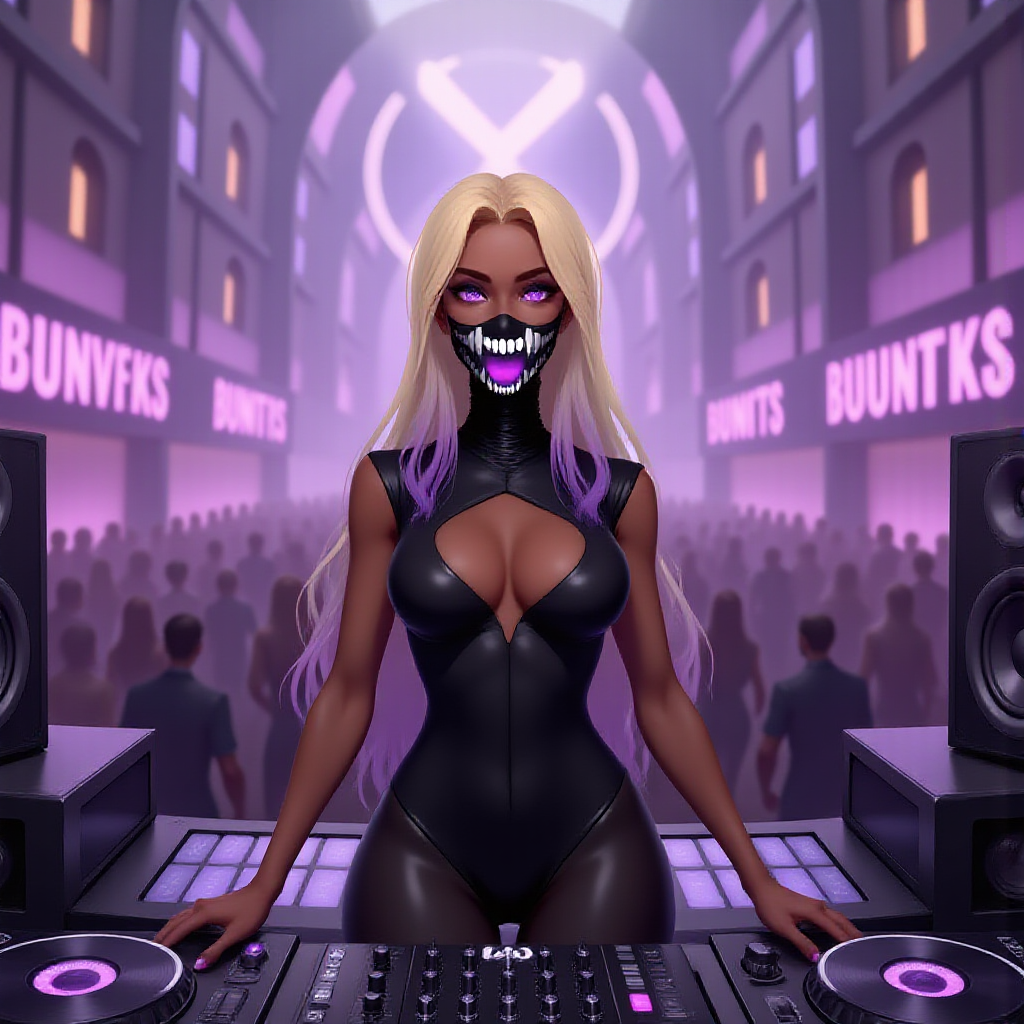
Lofi Grandma was approached as a warm, soft, b-roll-oriented ComfyUI pipeline. The direction focused on creating gentle anime-style moments that could support the character's musical atmosphere, with visuals built around comfort, rhythm, and everyday cinematic details.
The workflow used open-source image and video generation models to create short moving pieces with a consistent tone. Each output was designed to feel like a small atmospheric fragment rather than a traditional music video shot, making it useful for social content, loops, and artist world-building.
A selection of eight final Lofi Grandma videos will present the finished b-roll style: warm anime lighting, soft motion, calm pacing, and small visual moments that reinforce the artist's cozy musical identity.